


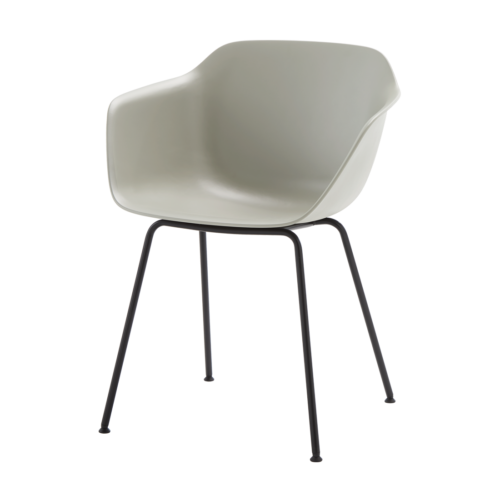
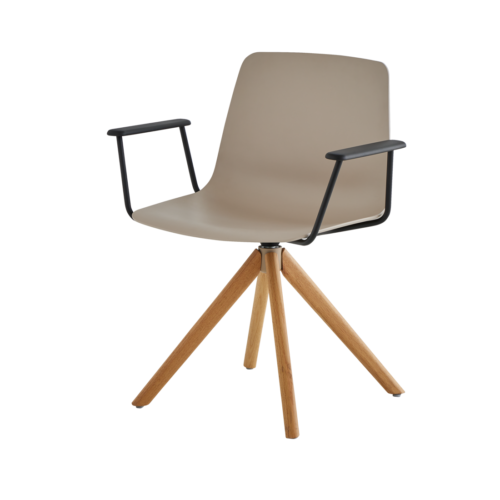
Metal Base Office Chairs With Upholstery

Metal base office chairs with upholstery need a clear brief that separates what is known from what still requires checking. Upholstery identifies a covered seating arrangement, while metal identifies the base material in broad terms. Neither characteristic establishes a particular adjustment system, seating dimension or care method. For an office manager, the useful next step is to connect those material choices with the tasks, users and maintenance responsibilities that define the intended workspace and its everyday pattern of seated work.

Start with the questions people responsible for the office will need answered. How does the covering feel during a seated trial? What instructions apply to its care? Does the base fit comfortably around the desk supports and suit the floor through its fitted contacts? Office chairs should be assessed against these practical questions alongside their visual relationship with the room. A physical sample, direct measurements and structured user feedback can turn a broad material combination into a specific comparison grounded in the actual working arrangement.

3 models
Price on request
3 models
Price on request
4 models
Price on request
2 models
Price on request
4 models
Price on request
2 models
From €8.96 p/m
17 models
From €4.61 p/m
5 models
From €9.98 p/m
13 models
From €3.40 p/m
19 models
From €4.02 p/m
Price on request
7 models
From €6.60 p/m
3 models
From €4.90 p/m
96 models
From €9.29 p/m
24 models
From €10.02 p/m
3 models
From €9.16 p/m
103 models
From €8.32 p/m
2 models
From €11.77 p/m
9 models
From €14.00 p/m

Define The Questions Before The Trial

Write a short assessment brief covering the users, tasks and workstations involved. Identify any restricted desk spaces and note who will be responsible for routine care. Metal base office chairs with upholstery should then be evaluated against those requirements using consistent questions. Include the expected pattern of shared use and the equipment people normally reach for. This preparation makes the seated assessment more informative, because feedback can be connected to a particular activity or setting. Record the chair's confirmed dimensions and controls before asking users to describe their experience during the practical assessment at the intended desk.

Examine The Upholstery As A Component

Request a physical covering sample and the specification that applies to the actual upholstery. Confirm any characteristics important to the office brief rather than assuming composition or performance from its identity. Office chairs should also be examined as complete objects, including how the covering meets seams and edges. During a trial, ask users to distinguish surface texture from the support provided by the seat and back construction. This helps the office manager understand which observations concern the covering and which relate to fit. Review colour under the intended room lighting before making decisions about coordination with surrounding furniture.

Inspect The Base Beyond Its Material

Metal base office chairs with upholstery can only be assessed fully once the base configuration, finish and floor contacts are known. Confirm the underlying metal if that detail matters to the brief, and obtain relevant maintenance guidance. Measure the footprint near desk legs and storage, then observe ordinary movement around the workstation. Check fitted wheels or feet against the intended floor using the applicable instructions. A metal description alone does not establish compatibility or operating limits. Record these details separately from colour preferences so practical restrictions remain clear when the office team compares the available seating arrangements.

Turn Observations Into An Office Standard

Bring together user feedback, clearance measurements and component-specific care instructions in one comparison. Explain any limitations in relation to the actual task or workstation where they appeared. Metal base office chairs with upholstery need a documented assessment of the whole seating arrangement before a common specification is adopted. Include a simple reporting route for damaged coverings, loose connections or other concerns. For office chairs shared across rooms, confirm that the same practical requirements have been checked in each setting. This gives the office manager a clear record of the reasoning behind the seating choice and the responsibilities associated with it.

Frequently Asked Questions

Does upholstery establish the amount of cushioning?

No. A covering description does not establish the construction beneath it. Confirm the seat and back details and assess them directly with representative users. Consider contact, dimensions and support during ordinary tasks so feedback relates to the complete seating arrangement at the intended workstation.

What does a metal base leave unspecified?

The broad description leaves the precise metal, surface treatment, footprint and floor contacts to be confirmed. Check those details individually before deciding how the chair fits the room or should be maintained. Avoid attributing particular performance characteristics to the base without supporting information.

Which evidence is most useful for office managers?

Combine measured workstation clearance, confirmed chair functions, covering care guidance and structured user feedback. Assess office chairs through the same tasks wherever practical. This creates a useful record of how each seating arrangement meets the office brief and where additional confirmation is still needed.

Explore related selections