

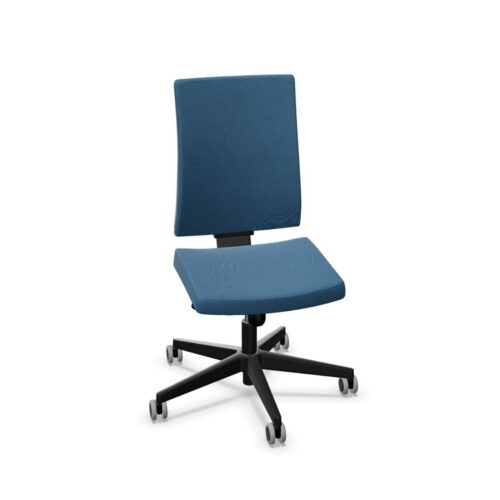
Plastic Office Chairs With Plastic Bases

Plastic office chairs with plastic bases share a material description across the upholstery and lower structure. That repeated description can make the combination appear straightforward, yet the two components perform different roles and need separate assessment. The upholstery concerns the user’s contact surface, while the base must be considered in relation to the chair’s position and surrounding floor space. Neither component description establishes the dimensions, construction or adjustment features of the complete chair in its intended workplace setting.

Build the comparison around those different roles. Review the seat and backrest with the people who will use them, then examine the base against desks, walkways and floor arrangements. Request care instructions for each component rather than assuming every plastic surface accepts the same treatment. For an office manager, this creates a clearer way to assess office chairs: shared material terminology does not replace evidence about fit, operation or maintenance. A useful specification brings those separate checks together in one documented seating decision.

19 models
From €2.38 p/m
24 models
From €4.49 p/m
28 models
From €2.34 p/m
11 models
From €3.40 p/m
4 models
From €5.25 p/m
7 models
From €2.97 p/m
6 models
From €6.52 p/m
3 models
From €4.35 p/m
17 models
From €4.61 p/m
19 models
From €4.02 p/m
14 models
From €2.77 p/m
3 models
From €2.91 p/m
4 models
From €13.86 p/m
2 models
From €17.14 p/m
11 models
From €3.24 p/m
6 models
From €13.57 p/m
6 models
From €13.92 p/m
8 models
From €11.58 p/m
4 models
From €1.97 p/m
2 models
From €15.15 p/m
2 models
From €7.56 p/m
5 models
From €7.26 p/m
6 models
From €2.89 p/m
4 models
From €13.65 p/m
2 models
From €6.72 p/m
8 models
From €6.38 p/m
3 models
From €6.52 p/m

Give Each Plastic Component Its Own Review

Start with a simple component record covering the upholstery, base and any other features important to the room. Describe what is confirmed and leave space for questions that require clarification. Plastic office chairs with plastic bases should not be treated as though every part has the same surface characteristics or care requirements. Examine the upholstery where users make contact and the base where it meets the floor or surrounding furniture. Keeping these observations separate makes the comparison more precise. It also helps staff report a concern clearly, identifying the relevant area instead of describing the entire chair as a problem.

Use Seated Tasks to Judge Fit

A useful trial asks users to carry out the work expected in that space. Arrange the desk, screen and frequently handled items as they would normally appear. Observe seat depth, back contact and the ability to reach necessary equipment. Confirm any required adjustments before asking users to evaluate them. Plastic upholstery alone does not establish cushioning, surface texture or the shape of the support areas. Gather comments against specific questions and allow time for users to settle into the position. This produces more actionable feedback than a quick visual preference or a single general rating of the seating experience itself.

Check Base Space Beyond the Seat Outline

The seat's visible footprint is not enough to assess the space a chair needs. Record the base dimensions and examine its relationship with desk supports, nearby storage and adjacent seating. Plastic office chairs with plastic bases should be checked while occupied and during entry and exit. If the room changes between activities, include each intended furniture arrangement in the review. Confirm the floor contact configuration and any relevant floor requirements rather than assuming them from the base material. These checks connect the lower structure to practical room use and help office managers identify layout questions before agreeing a seating arrangement.

Write a Surface Care Routine Staff Can Follow

Care instructions need to identify the component, permitted method and relevant restrictions. Ask for clear guidance covering the plastic upholstery and plastic base individually. When reviewing plastic office chairs with plastic bases, avoid treating a familiar material name as evidence that a particular cleaner is suitable. Consider how staff will reach the areas requiring attention and how they will record damage or changes in operation. Keep the routine concise enough for daily use, with more detailed instructions available when needed. This gives the facilities team a practical reference while retaining the distinctions between the chair's surfaces, structure and operating features.

Frequently Asked Questions

Does matching material mean matching construction?

No. Plastic upholstery and a plastic base describe different components. Confirm construction details separately wherever they affect the seating brief, rather than assuming that the shared material name establishes identical characteristics.

Are adjustment features implied by this combination?

No. Establish the required controls first, then confirm which are present and their operating ranges. A material combination does not tell you how the seat or backrest can be adjusted.

What should be recorded after assessment?

Record relevant dimensions, user feedback, layout observations and confirmed care instructions. Identify unresolved questions by component so the next review can address specific gaps without repeating the entire assessment process unnecessarily.

Explore related selections