

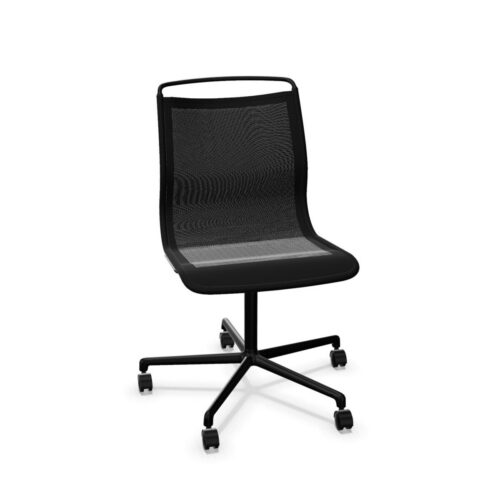
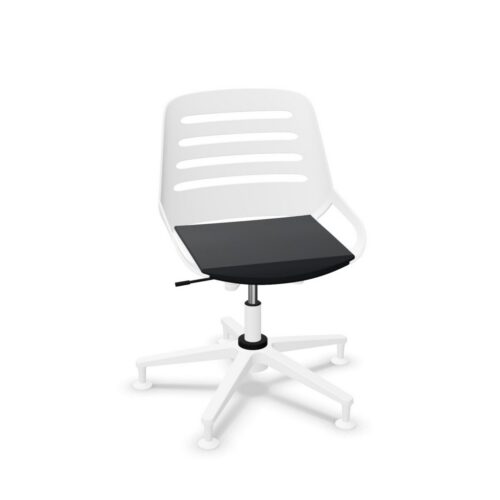
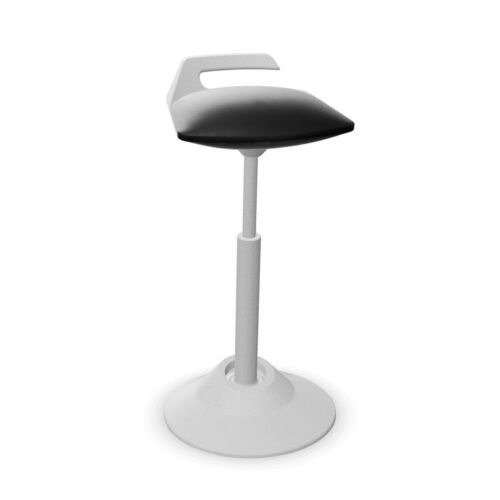
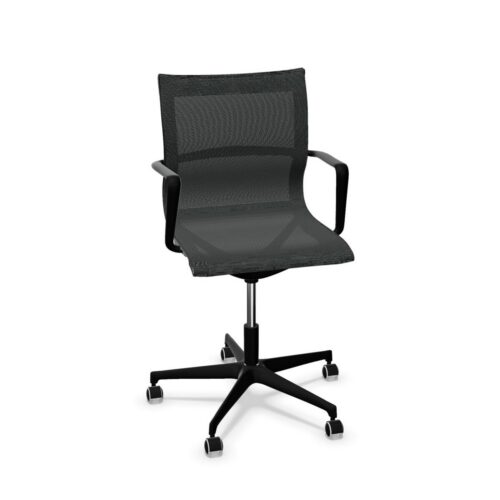
Office Chairs Without Headrests, Standards Unspecified

Office chairs without headrests, standards unspecified, combine a clear feature exclusion with an open documentation question. For an office manager, the useful approach is to establish what each characteristic means for the planned setting. No headrest describes the seating configuration. An unspecified standard means the relevant reference needs clarification if standards evidence is required. Neither characteristic provides a complete account of the chair’s dimensions, backrest design or suitability for a particular person.

Begin by assigning the questions to the people best placed to answer them. Users can assess the seating arrangement during representative activities, while the responsible team can review the documentation required for approval. Compare office chairs through a shared record that brings those findings together. This keeps the absence of a headrest visible without allowing it to dominate unrelated questions, and ensures that missing standards information is treated as a specific evidence gap rather than an assumed physical property of the chair.

6 models
From €6.87 p/m
2 models
From €10.32 p/m
3 models
From €10.49 p/m
2 models
From €6.87 p/m
4 models
From €7.26 p/m
3 models
From €8.88 p/m
2 models
From €19.56 p/m
3 models
From €10.17 p/m
2 models
From €6.13 p/m
2 models
From €9.18 p/m
5 models
From €13.67 p/m
3 models
From €23.12 p/m
3 models
From €9.20 p/m

Assign Responsibility For Unanswered Questions

A seating review can stall when everyone assumes someone else will resolve missing information. For office chairs without headrests, standards unspecified, identify who will request the standard reference, who will review it and who will assess the physical configuration. Set the required questions out clearly before arranging the trial. If the organisation has no standards documentation requirement for the proposed use, record that decision through its normal process. If it does, keep the question open until the necessary information is available. This gives the office manager an understandable account of progress.

Keep The Headrest Decision Focused On Use

Assess the absence of a headrest against the actual activities and users in the brief. Ask whether head support is a stated requirement, an individual preference or a question still needing evaluation. Confirm the backrest's shape and dimensions separately, because no headrest does not define either. Office chairs should be tried within the intended workstation arrangement so that participants can demonstrate relevant tasks. Record the observations in practical terms, describing seating position and backrest contact without making broader claims that extend beyond what was established during that particular assessment with the user.

Clarify Standards Without Assuming An Answer

The distinction between unspecified information and confirmed absence matters when reviewing office chairs without headrests, standards unspecified. Do not infer that a chair has no applicable standard simply because a reference has not been identified. Equally, do not treat an unresolved question as evidence that a particular standard applies. Request the information needed by the organisation and confirm its relationship to the exact configuration. Keep any response with the seating assessment so that the approval team can see what was established, what remains unknown and how that affects the requirements of the brief.

Combine The Findings In One Decision Record

Once the documentation review and user trial are complete, assess the results against the original requirements. Compare office chairs using the same categories, distinguishing feature fit, practical observations and supporting evidence. For office chairs without headrests, standards unspecified, the record should make clear whether the standards question has been resolved and how the absence of a headrest was evaluated. Include any limitations in the assessment, such as an unconfirmed dimension or a user group not represented in the trial. This lets the responsible manager reach a decision with the relevant information visible.

Common Documentation And Fit Questions

Is an unspecified standard the same as no standardisation?

No. Unspecified information leaves the standard reference unidentified; it does not establish that standardisation is absent. Ask for clarification where the organisation needs that evidence. Record the answer accurately rather than converting an information gap into a conclusion about the chair's status or physical characteristics.

Who should assess the absence of a headrest?

Include the people who define the seating requirements and users who represent the intended activities. Their roles are complementary: one group clarifies what the workplace needs, while participants provide practical observations. The office manager can then connect the feature assessment to the agreed brief and approval requirements.

What if standards information remains unavailable?

Keep the question explicitly unresolved and apply the organisation's evidence requirements. A user trial may still provide useful fit observations, but it does not supply the missing reference. The final decision should state how the information gap affects approval for the intended seating use.

Explore related selections