

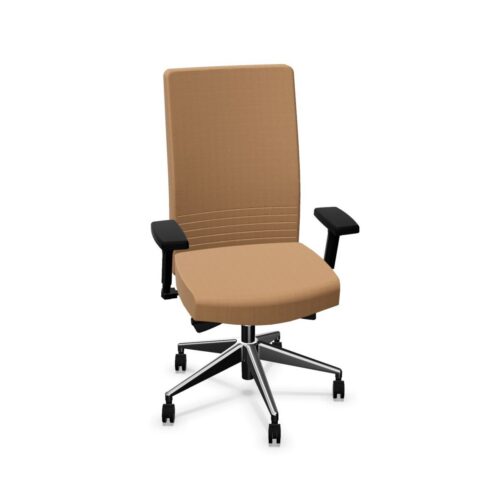
Headrest Office Chairs Without Adjustable Back Height

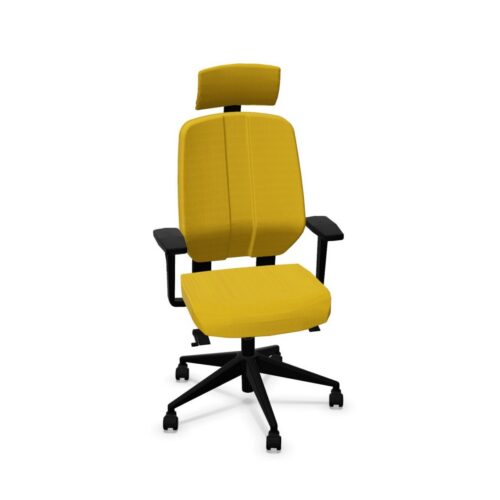
Headrest office chairs without adjustable back height bring a defined constraint to the fitting process: the backrest cannot be repositioned vertically. A headrest is present, but its adjustment options are not established by that fact. For an office manager, the assessment should therefore begin with the backrest’s existing position and shape. Once the user has tried that relationship during work, headrest contact can be judged from the same seated position, keeping both observations connected to the person’s actual desk tasks.

This is a useful distinction when comparing feature lists. A headrest adds something to assess, while the absence of back height adjustment makes the initial dimensional match important. Neither detail establishes seat adjustment, reclining movement or a particular level of support. Ask intended users to describe where they meet the backrest and headrest, then record any position changes they make to accommodate either part. Those observations provide a clearer basis for comparison than appearance or feature presence alone.

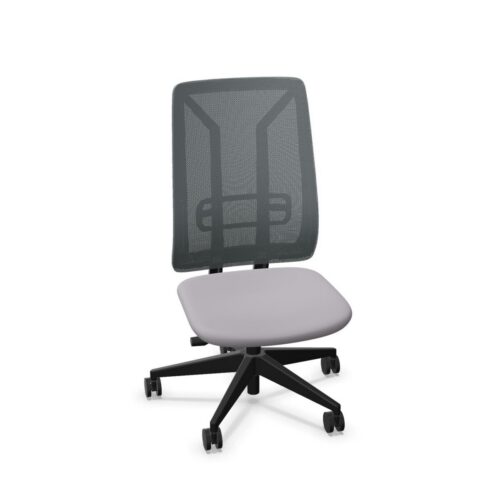
2 models
From €19.56 p/m
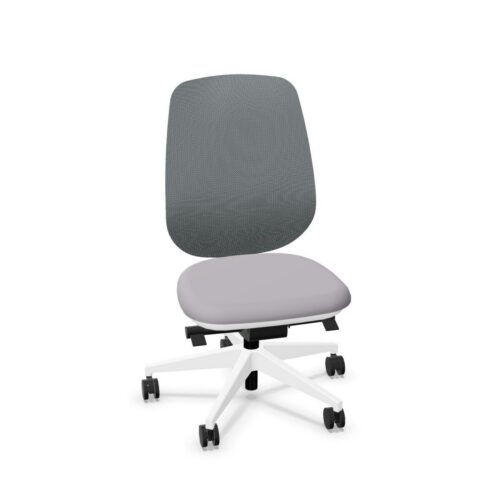
3 models
From €10.17 p/m
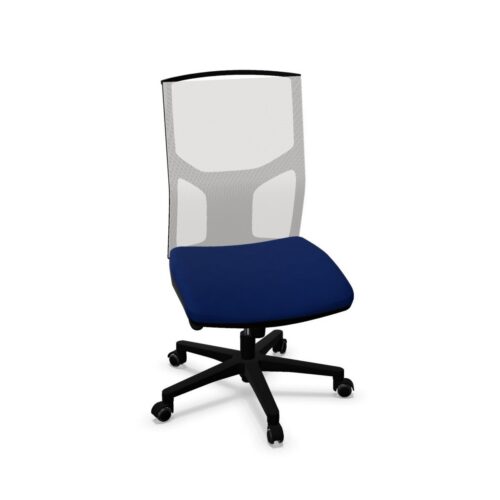
2 models
From €6.13 p/m
2 models
From €9.18 p/m
2 models
From €15.27 p/m
9 models
From €10.37 p/m
2 models
From €11.71 p/m
2 models
From €7.40 p/m
2 models
From €7.97 p/m
2 models
From €17.81 p/m
4 models
From €4.10 p/m
8 models
From €10.39 p/m
4 models
From €7.32 p/m
4 models
From €8.24 p/m
10 models
From €5.35 p/m
12 models
From €7.44 p/m
12 models
From €7.20 p/m
12 models
From €6.44 p/m
24 models
From €6.31 p/m

Assess the Backrest at Its Existing Height

The first fitting question for headrest office chairs without adjustable back height concerns the contact available without vertical repositioning. Ask the user to sit naturally against the backrest and carry out a familiar desk task. Observe where the backrest meets their torso and whether they move forward or alter their posture to accommodate it. Confirm dimensions where available, but use them alongside practical observations. The absence of height adjustment does not establish the backrest's shape or its suitability for a particular individual. Keep the trial focused on the relationship that is actually achieved at the workstation being assessed.

Examine the Headrest Without Assuming Movement

Check the headrest's position from the user's established seated posture. Ask when they expect to contact it and assess those positions directly. If a separate headrest adjustment is confirmed, demonstrate it and note its effect. If none has been established, do not include it in setup guidance. Office chairs with a headrest still require individual assessment of that contact point. A user who changes their posture simply to meet or avoid the headrest is providing relevant feedback. Record the observation clearly, together with the task and backrest contact, rather than describing the feature as suitable on presence alone.

Check the Two Contact Points Together

Headrest office chairs without adjustable back height should be evaluated as a connected arrangement of seat, backrest and headrest. Once the user has assessed each contact point, ask them to repeat the ordinary activities included in the trial. A favourable impression of the headrest should not obscure a difficulty with the backrest, or the reverse. Establish any additional adjustments separately and check whether using them changes the overall seated relationship. Keep the person's experience at the centre of the record, describing what they did and what happened rather than making broad claims about the combination of features offered.

Set a Clear Brief for Shared Seating

Different users may experience the same backrest height differently. When headrest office chairs without adjustable back height are considered for shared desks, include several colleagues in the assessment and retain their individual feedback. Compare their backrest and headrest contact using the same activities and questions. For assigned office chairs, concentrate on the regular user's needs while documenting the relevant dimensions and controls. Any requirement for vertical backrest adjustment should remain visible in the brief. A clear record helps distinguish a workable match for one person from a configuration that can serve everyone expected to use the same desk.

Headrest and Backrest Fit Questions

Can the backrest be raised for a taller user?

This selection does not include back height adjustment. A taller user needs to assess the backrest position provided, just as any other user does. Do not infer suitability from height alone; torso proportions, seated posture and the actual contact achieved all belong in the individual trial.

Is the headrest necessarily fixed as well?

No conclusion about headrest adjustment follows from the absence of back height adjustment. Confirm the headrest's movement separately before describing it. The two features should be recorded independently, then assessed together to understand how the available arrangement meets the person during their intended use.

What if only one contact point feels suitable?

Record the difference and investigate any confirmed adjustment that could address it. Repeat the relevant task after making a change. If the mismatch remains, keep it visible in the comparison instead of allowing a positive response to one part to determine the overall assessment.

Explore related selections