















Follow The Chair Through An Ordinary Day
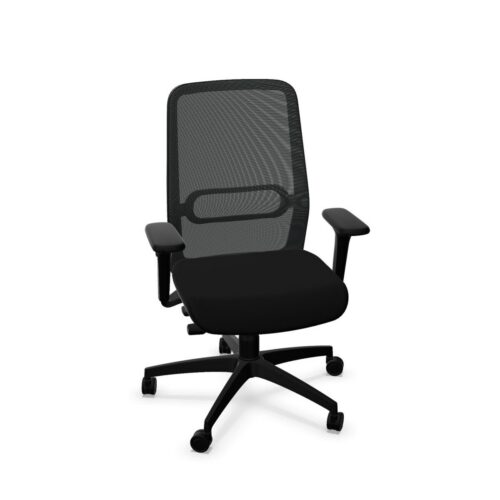
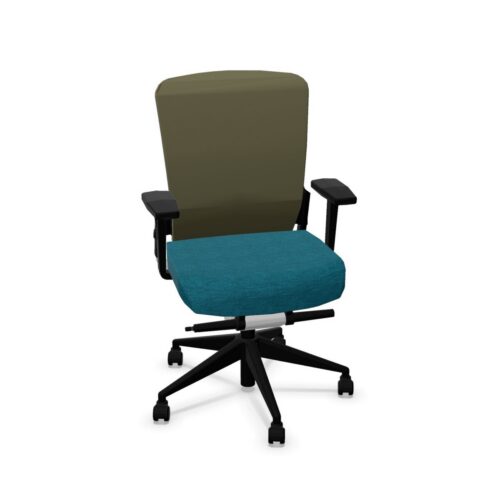
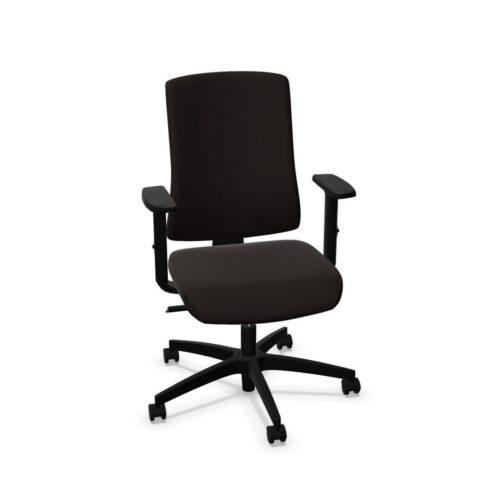
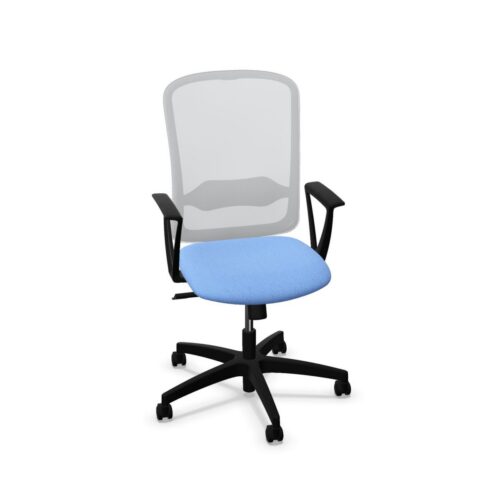
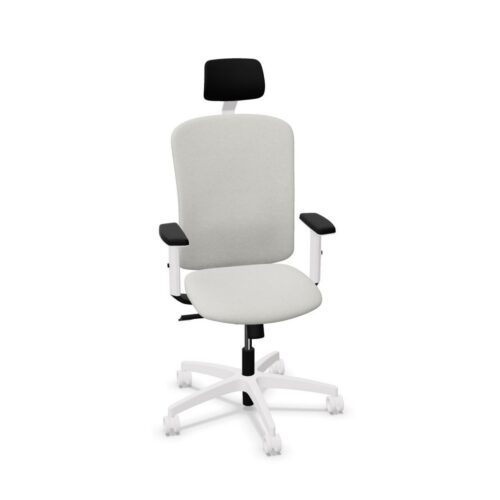
Plastic base office chairs with headrests can be assessed by following the same sequence a colleague uses each morning. Approach the desk, enter the seat, position the body and reach the work surface. Note any interference between feet, base supports and desk legs. Establish which controls are provided and check whether the seated person can operate them. Finish by leaving the workstation. This sequence connects the lower structure and headrest to an actual working position, rather than considering each feature in isolation from the tasks and room around it.
Define Care For The Plastic Base
Ask for cleaning guidance that applies to the particular base surface. The word plastic does not establish which cleaning products or methods are suitable. Check how easily the supports can be reached and whether surrounding furniture limits access. Include the junctions between components in routine visual checks, following the relevant instructions for any maintenance work. Keep the base care requirements separate from those of upholstery or other surfaces. That distinction helps facilities colleagues use the correct approach without assuming the whole chair shares one material or cleaning method throughout.
Trial Head Support After Seat Setup
When comparing plastic base office chairs with headrests, position the seat and backrest before assessing the headrest. Ask the user to work at the intended screen and then change posture naturally. Identify whether head contact is useful in those positions and whether it creates any unwanted pressure or restriction. Confirm available headrest adjustments directly. If several people will use the chair, repeat the exercise with them. Their differences may reveal a requirement for a particular range of movement, but that requirement needs checking against the actual configuration being considered.
