

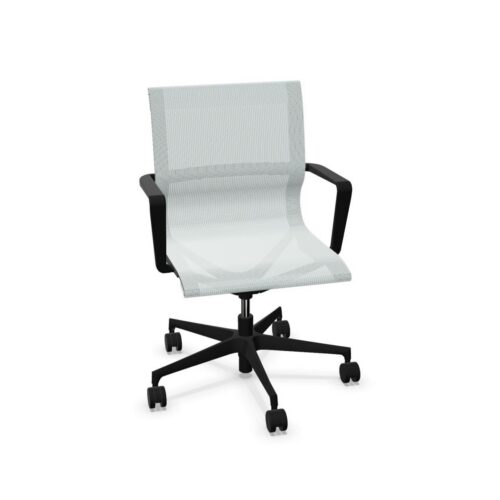
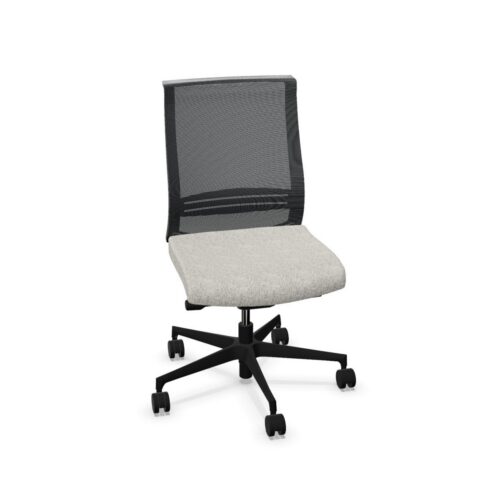
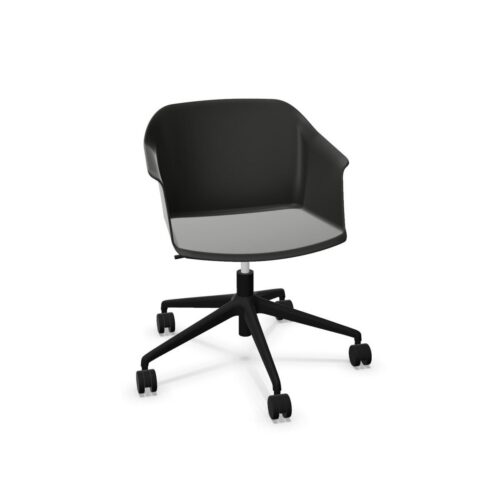
Plastic Base Office Chairs Without Headrests

Plastic base office chairs without headrests need a comparison that looks above and below the seat. The base material tells an office manager something about construction, while headrest absence identifies a support feature that is not present. These facts leave important questions open about dimensions, adjustment, floor contact and the way each person uses their workstation.

Start with the environment in which the seating will be used. Note the floor surface, desk arrangement and any equipment positioned near the user’s feet. Then check the base dimensions and the components that actually touch the floor. Plastic alone does not establish compatibility with a particular surface or cleaning process.

Move next to the seated user. Review the seat and backrest together, using ordinary tasks rather than a single stationary pose. Keep observations specific: where support is felt, which movements are comfortable and which controls are available. This creates a practical assessment without assigning unconfirmed properties to the base material or the headrest-free configuration.

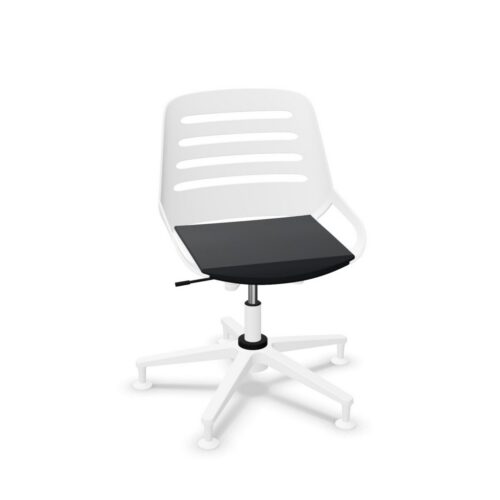
2 models
From €10.32 p/m
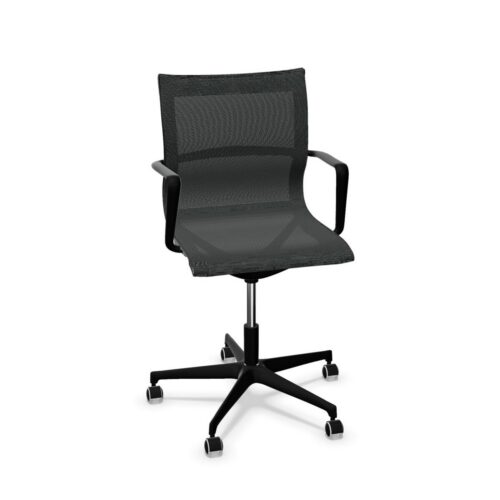
3 models
From €10.49 p/m
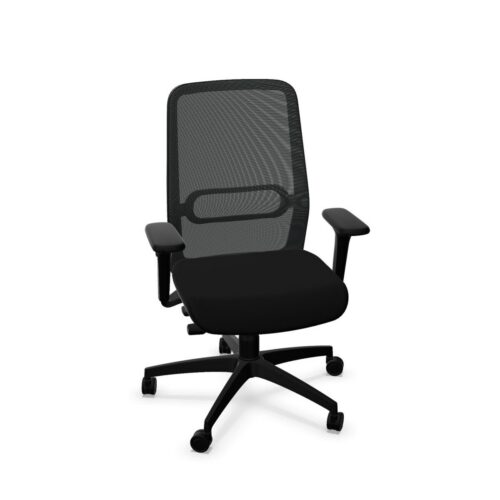
3 models
From €10.17 p/m
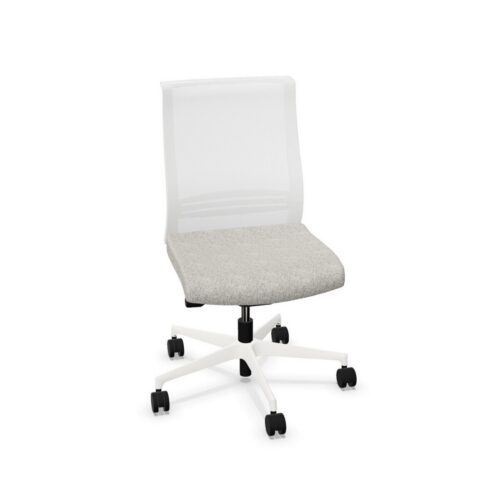
2 models
From €6.13 p/m
2 models
From €9.18 p/m
10 models
From €10.37 p/m
9 models
From €10.37 p/m

Begin at the floor contact points

Identify how the seating rests on the floor before judging its suitability for the room. Confirm the floor contact components and their intended use on the actual surface. Check their arrangement in relation to desk legs, cable routes and anything else that occupies the space beneath or beside the workstation.

Plastic base office chairs without headrests do not establish a particular wheel, glide or movement arrangement. Ask for those details separately. Where movement is part of the intended use, include it in the trial and check the instructions associated with the complete configuration rather than drawing conclusions from the plastic base alone.

Plan care around confirmed surface instructions

Ask for cleaning guidance that applies to the base and any other materials present. Plastic is a broad description, without a stated formulation or surface treatment here. Do not assume that an existing workplace cleaning product is appropriate simply because it is used on another item that also contains plastic.

Build the care routine around the instructions received and the access available around the seating. Consider how cleaning staff will reach the base without disrupting nearby equipment. Keep cosmetic preferences distinct from maintenance requirements, and record any restrictions clearly so that a change in cleaning personnel does not remove useful information.

Check the support arrangement during real tasks

Plastic base office chairs without headrests place the fit discussion on the seat, backrest and any other confirmed support features. Ask users to complete representative desk activities and describe where they experience contact. Include looking down at documents, turning sideways and moving closer to the work surface where these are ordinary parts of the role.

Inspect available settings individually instead of assuming that headrest absence indicates a particular adjustment level. Seat height movement, lumbar support and armrests are not established by this combination. For shared office chairs, let different users repeat the same task sequence and note the changes they make before reporting their observations.

Use dimensions to resolve layout questions

Measure the area available under and around the desk, then compare it with the seating dimensions. Include nearby storage, footrests and the clearance needed to leave the workstation. A base that appears visually compact still needs a dimensional check, particularly where several people work close together or share a confined room.

Plastic base office chairs without headrests should reach the final comparison with their open questions clearly identified. Combine verified dimensions, user feedback and care information in one record. This helps the office manager distinguish a layout problem from a fit preference and makes later reassessment easier if desks, floors or working patterns change.

Frequently asked questions

Does plastic specify the base formulation?

The description does not identify a particular plastic formulation, reinforcement or finish. Request that information where it is relevant to workplace requirements. Review performance documentation separately, because the broad material name does not establish a permitted load, test result or expected service life.

Are these chairs necessarily lightweight?

The complete chair's weight is not supplied. A plastic base alone does not establish how much the full seating arrangement weighs. If staff will need to reposition seating regularly, confirm the actual weight and intended handling method for the exact configuration being assessed.

What should users assess without a headrest?

Focus on seat dimensions, backrest contact and the movements required by the role. Confirm any available adjustments and assess them at the intended workstation. The absence of a headrest does not establish the height, shape or support characteristics of the backrest itself.

Explore related selections