



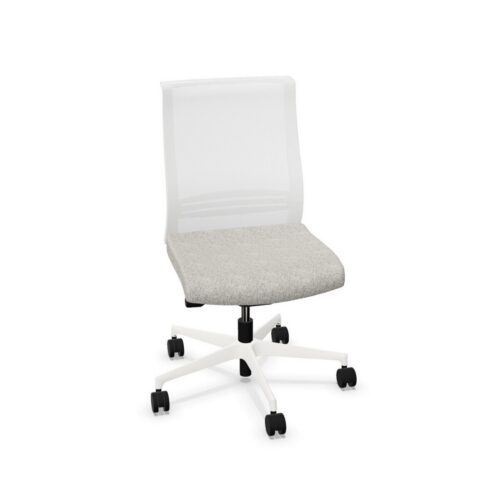
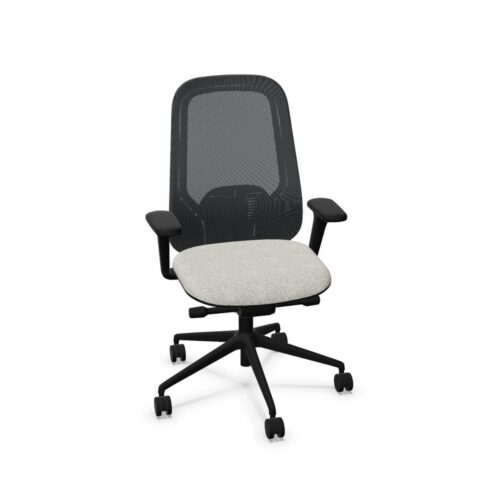
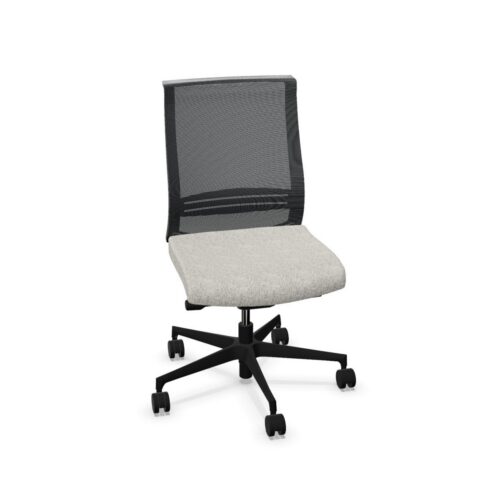


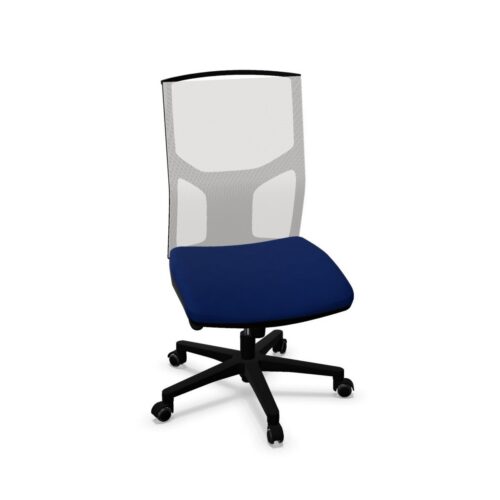




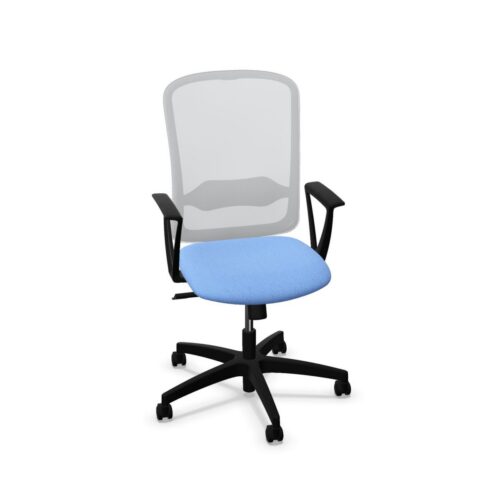
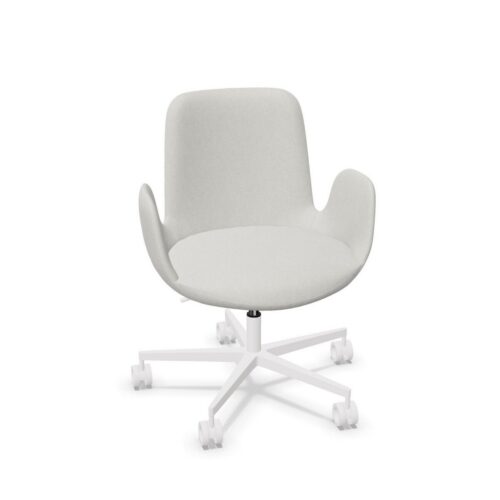



Locate The Support Relative To The User
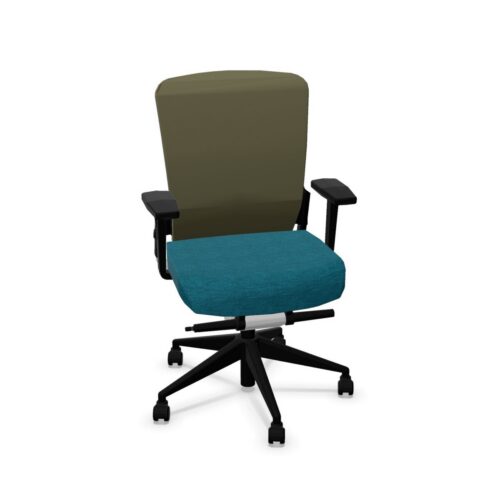
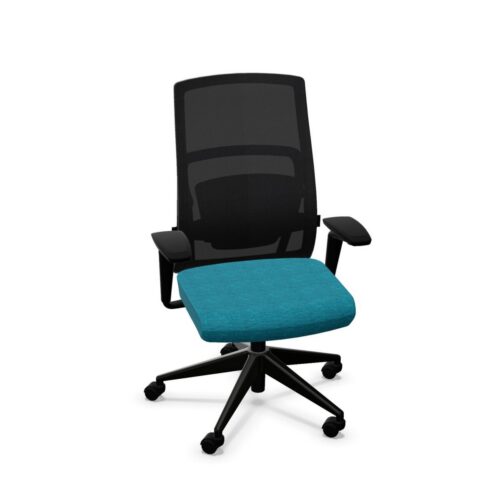
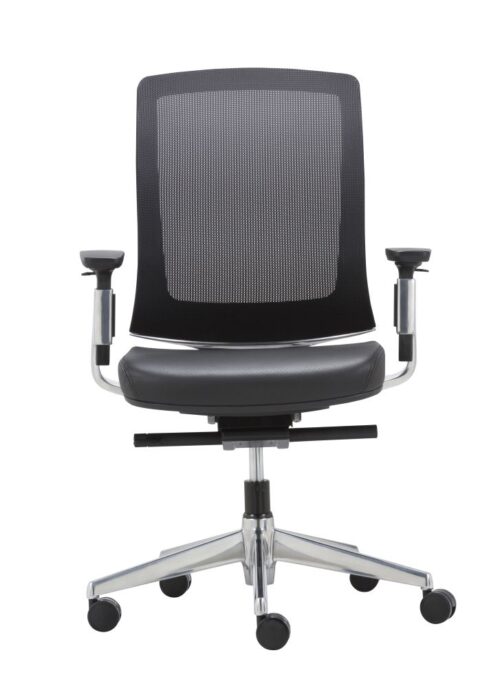
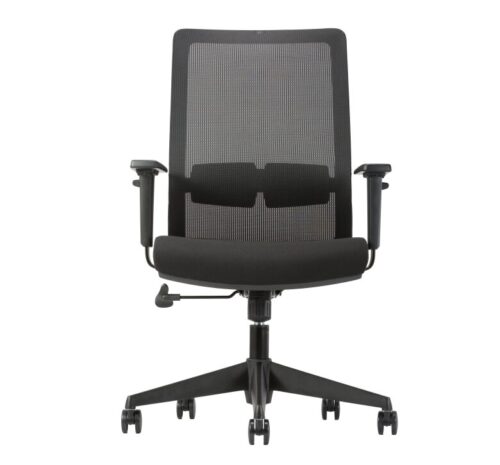
Begin by identifying the lumbar feature and asking how its position is determined. The selection establishes that dedicated lower-back support is included, but does not establish that the support itself is adjustable. Request the relevant details for the chair being assessed. Have the user sit in the intended position and describe how the feature contacts the lower back. Record the observations without turning them into a medical conclusion. An office seating trial can help evaluate personal fit, while the presence of lumbar support alone does not establish a particular outcome for every user.
Assess Seat Depth And Back Height Together
The relationship between the seat and backrest matters when evaluating lower-back support. Some chairs provide seat depth or back height adjustment, while other configurations do not. Establish those capabilities before asking users to compare the lumbar feature. Let each person set up the chair where adjustment is available, then assess the resulting position at the intended desk. If the support cannot be positioned suitably through the chair's available settings, keep that limitation visible in the comparison. Do not assume a separate adjustment exists simply because another part of the chair can move.
