












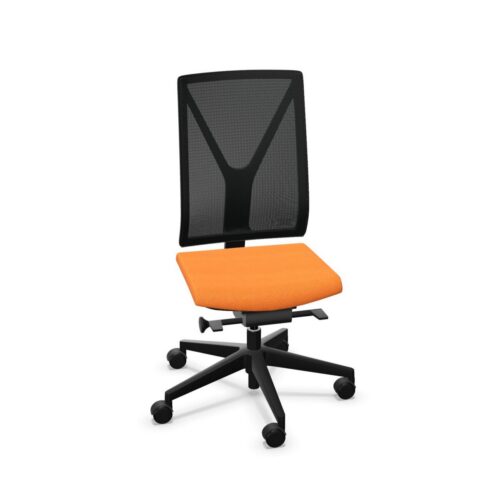

Separate Confirmed Support From Unknown Evidence
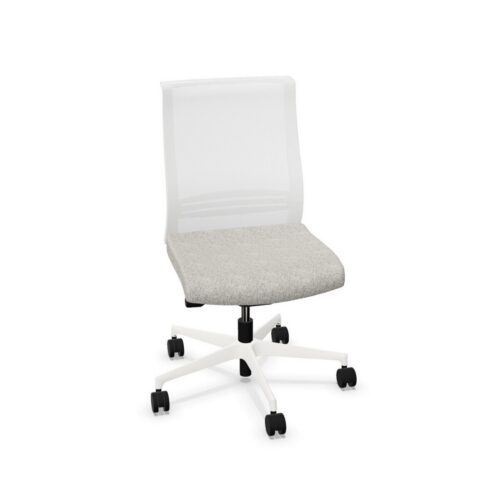
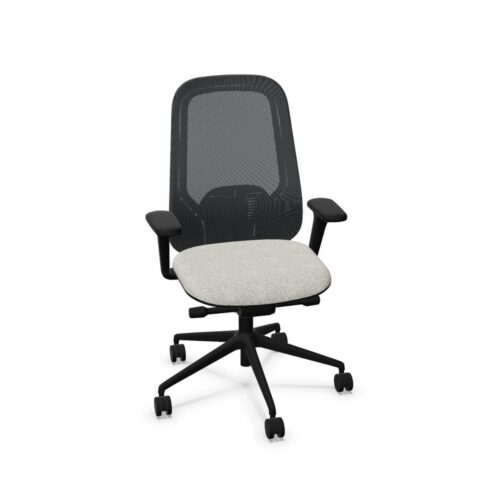
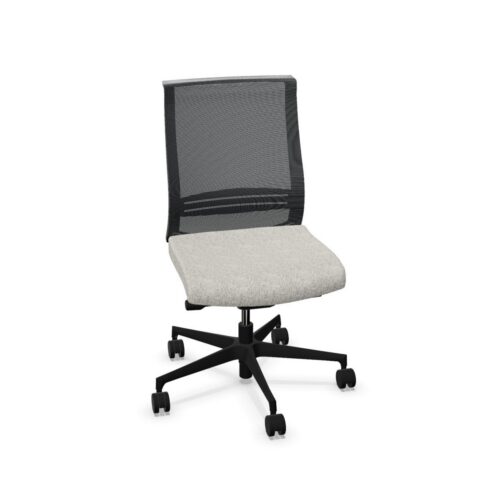
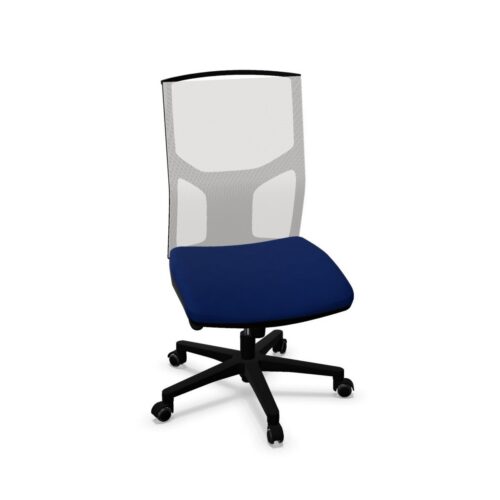
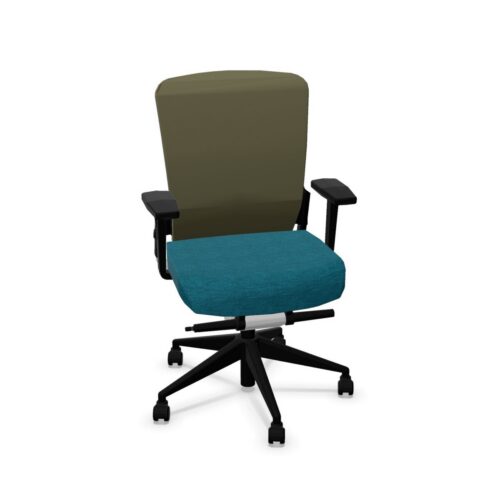
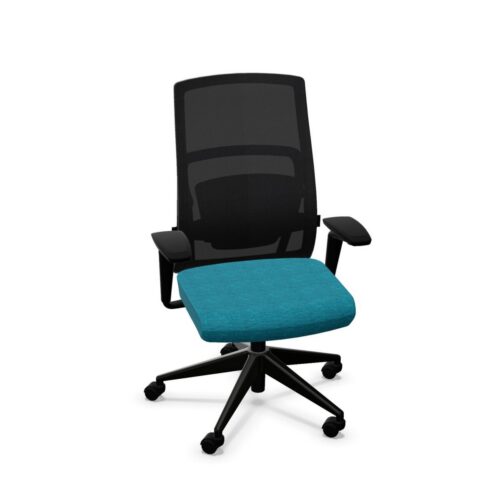
Lumbar support is a stated characteristic; the applicable standards information remains unspecified. Lumbar-support office chairs with unspecified standards should therefore be described carefully during internal discussions. Do not translate missing information into a claim that the chair follows no standard, and do not assume conformity from its appearance or intended setting. Ask for documentation that identifies the seating and clarifies any standards reference being made. Record the response alongside the intended use requirement. This keeps colleagues aligned on what has actually been established and helps them judge which remaining questions matter before the chair is assigned to a particular workplace role.
Explore the Position of Lower-Back Contact
Invite users to sit in a working position and describe the lumbar contact in their own words. Notice whether the support meets the lower back where they expect it and whether the pressure feels appropriate during the activity. Compare office chairs with the same desk and equipment arrangement at first. If a user moves away from the backrest, ask what prompts the movement before assigning a cause. The support position, seat relationship and reach to the working surface may each need examination. Specific observations make the assessment more useful than a simple statement that lumbar support is present or that the chair feels comfortable.
