



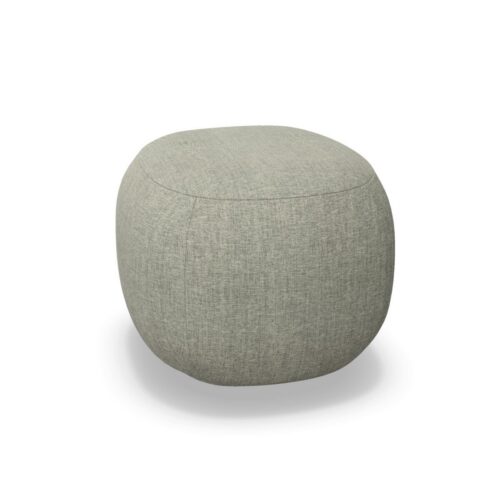


Defining lounge furniture with no armrests and beige upholstery
The central planning question is how the group will remain legible within its surroundings. Armless sides and beige upholstery can create a composition with few strong side markers, depending on the actual furniture form and background. Review the seating from the main entrance and nearby routes to see whether its arrangement is apparent. Decide how individual places should be distinguished through orientation and spacing. A consistent beige reference may connect the pieces, but it does not establish their spatial relationship. Show the complete group in the room plan so its boundaries can be discussed alongside the routes and activities around it.
Choose where contrast is useful
Contrast does not have to be equally strong around every part of a seating area. You may want the group to become prominent against the background at the arrival point while relating more closely to the room elsewhere. Compare the beige upholstery with the main colors visible behind and beside the seats. Pay attention to where an open side meets a similar background, as the furniture outline may be less visually pronounced there. Review actual references under the intended lighting. The aim is to agree where definition matters, then use the room composition to support that decision consistently across the seating area.
