



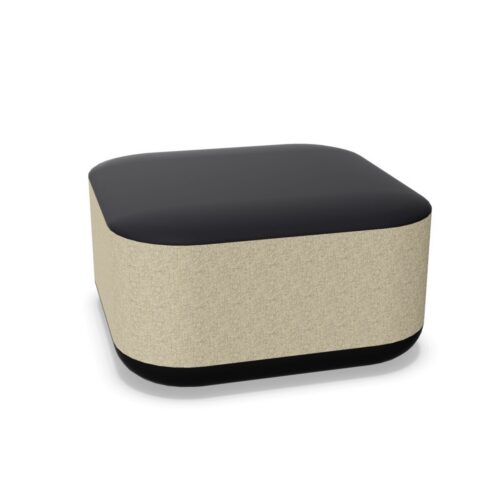

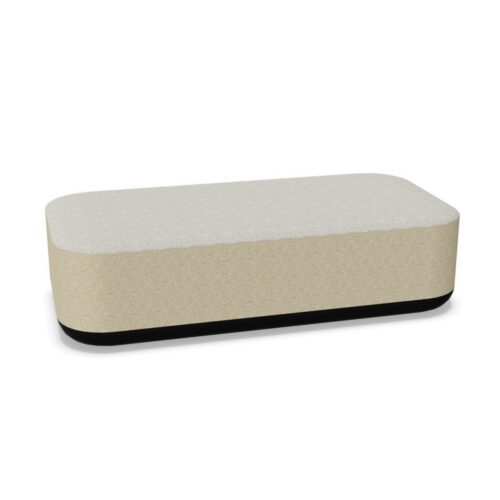


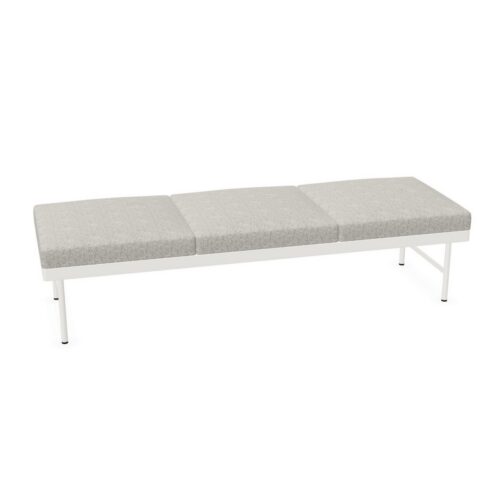
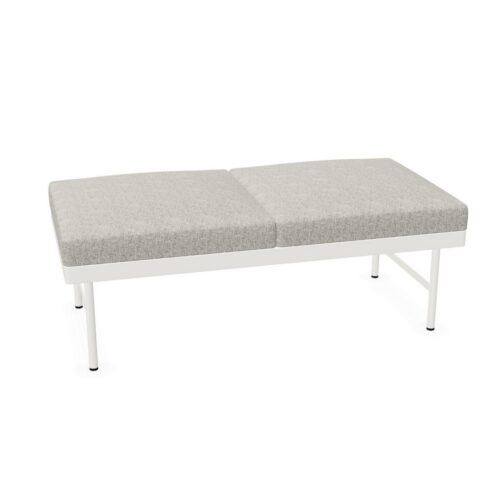


Composing Lounge Furniture With No Armrests and Gold Upholstery
Begin by defining the seating area's relationship with the rest of the room. It may sit beside a main route, face an entrance, or form a separate conversation group. Armless furniture leaves the sides visually open, so the arrangement needs to communicate its boundaries through position and orientation. Gold upholstery can help identify the group, but color alone cannot resolve an unclear layout.
Distinguish Open Edges From Access Routes
Look at the spaces around and between the seats. Decide which are intentional approaches and which simply separate pieces within the composition. An open side may suggest access, so check the arrangement from the direction people will approach. Review how someone enters the seating area and returns to the main route after leaving a seat.
When assessing lounge furniture with no armrests and gold upholstery, use the complete furniture outline to judge placement. Do not infer the floor area required from the absence of arms. Neighboring pieces also need individual assessment; armless sides do not establish that seats can meet neatly or form a continuous surface.
Decide How Gold Should Be Distributed
Concentrating gold in a single group gives the color a defined location. Repeating it in separate parts of the room creates a broader visual connection. Consider which approach makes the room easier to read, especially where several activities share the same open area. Assess the composition from the entrance before refining nearby accent colors.
The actual gold shade and surface appearance deserve separate attention. Compare the upholstery under the room's intended lighting and beside the surrounding palette. Do not assume shine or a metallic effect from the color name. A useful assessment considers the relationship between the upholstery and its immediate background as well as its appearance on its own.
