







Planning lounge furniture with no armrests and grey upholstery
In a multipurpose lounge, establish what the space must accommodate at the same time. An informal conversation may take place while other people pass through or wait nearby. Draw those relationships before positioning the furniture. Armless sides can leave the seating outline less enclosed, but they do not make every direction an appropriate approach. Give each seating position a recognizable relationship with the group. Check that people can reach an available place without interrupting another conversation. The arrangement should explain the intended use through its orientation and spacing, particularly where the lounge meets an active workplace route.
Define the Edge Without Relying on Armrests
Use the overall seating composition to distinguish the lounge from the surrounding workplace. A consistent alignment can establish an edge, while a deliberate change in orientation can mark a conversation area. Review these choices from the usual approach rather than only from above. Avoid assuming that an open side makes a seat suitable for access from any angle. Consider the actual seating form and the needs of intended users. Also decide where belongings should go, since bags placed beside an armless seat can alter the perceived availability of the space around it.
Compare Gray in the Full Room Composition
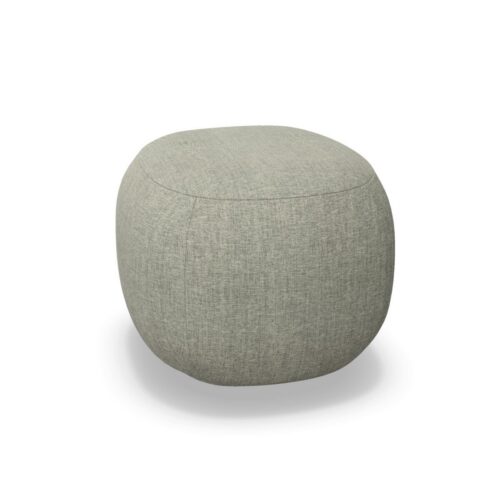
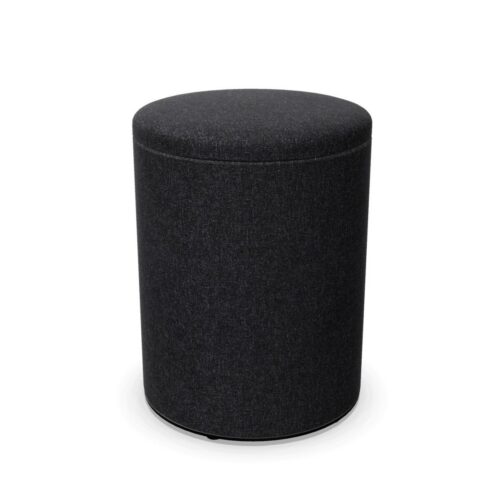
When reviewing lounge furniture with no armrests and grey upholstery, assess the gray alongside the room's strongest visual elements. A close tonal relationship with the background may make the seating outline less distinct; a contrasting relationship may emphasize it. Choose according to how clearly the lounge needs to read from surrounding areas. Check the upholstery under the room's everyday lighting and beside the principal floor and wall colors. If neighboring work areas already use gray, decide whether continuity helps the space feel connected or whether a more visible distinction would clarify its purpose.
