







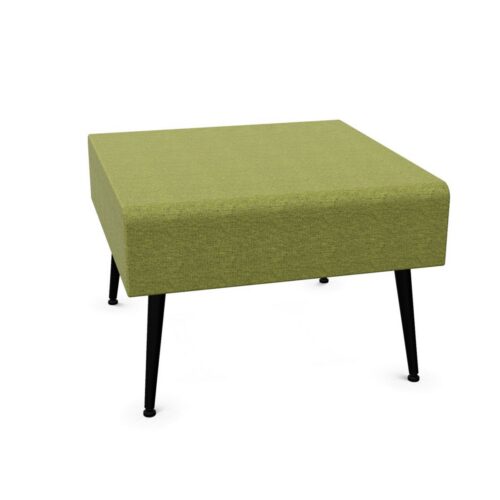


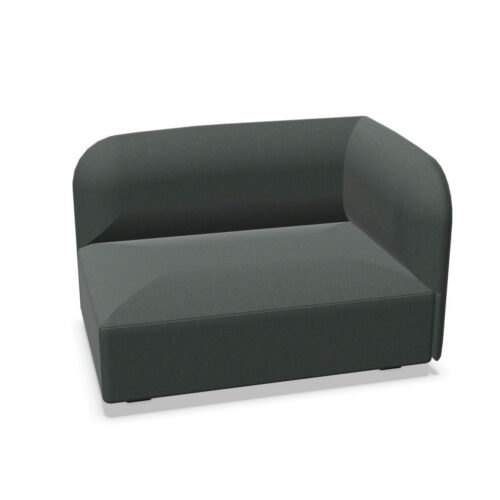


Arranging Lounge Furniture With No Armrests and Silver Upholstery
Start by deciding how people should recognize the seating group. A row, an angled arrangement, and opposing seats each create different relationships between places. With no armrests, the outer sides remain open, so orientation and spacing become important visual cues. Establish whether pieces should appear independent or part of one composition, then assess whether their actual outlines support that intention.
Use Tonal Contrast Deliberately
Silver upholstery needs a background assessment as well as a close inspection. Where surrounding colors are similar, check whether the seating outline remains easy to distinguish. Where the background is darker or more saturated, consider how strongly the furniture stands out. These are decisions about visual emphasis, not evidence of a particular surface finish.
When assessing lounge furniture with no armrests and silver upholstery, compare the actual upholstery under the room's intended lighting. View it beside nearby colors rather than relying on an isolated impression. The same silver tone may relate differently to the wall behind it and the furniture beside it, so both relationships deserve attention.
Make Routes Distinct From Gaps
An open side can make a gap between seats look like a possible route. Decide where people should enter the seating area and where they should pass around it. Then check whether the furniture arrangement communicates that distinction. Review the route from the entrance and from adjoining areas, including the point where someone leaves a seat.
Do not equate the absence of armrests with unrestricted movement around a piece. The full furniture outline and neighboring objects still shape the route. Similarly, do not assume armless pieces can connect or form a continuous surface. Assess any proposed close grouping using confirmed details about the furniture itself.
