

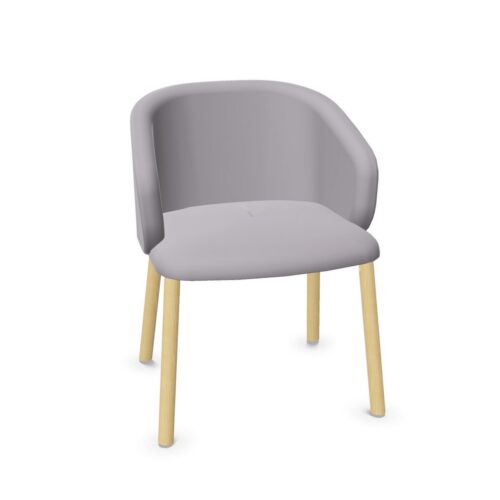

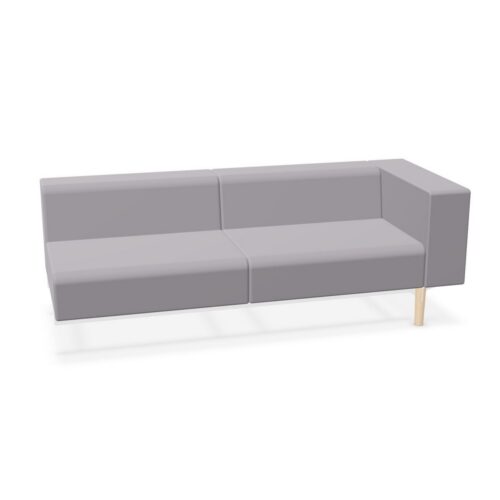
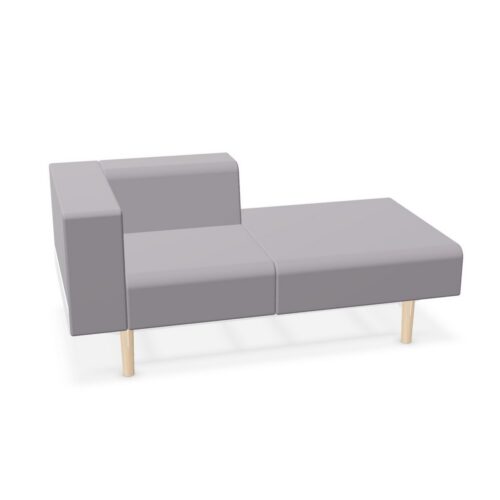
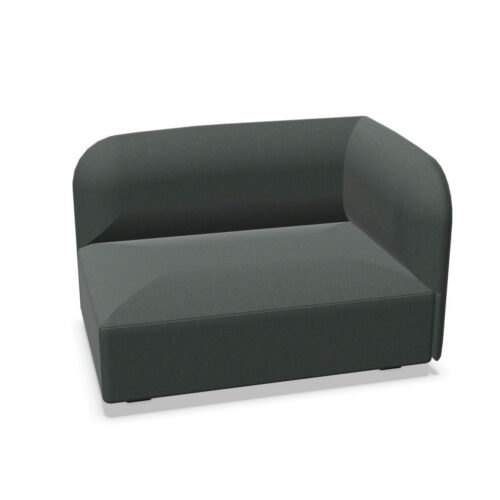
Lounge Furniture With Yes Armrests and Aluminum Bases

lounge furniture with yes armrests and aluminum bases provides a defined combination for coordinating seating across several workplace lounge areas. Armrests establish a visible element beside the seat, while aluminum identifies the base material. Together, they give a project brief clear starting points without settling every detail of the furniture’s form or its arrangement within a room.

For a workplace with several shared seating zones, begin by deciding which relationships should repeat and which should respond to local use. A lounge near a meeting area may need a different approach route from seating beside an entrance. Assess armrest configuration, the actual base outline, and the way each piece meets neighboring furniture. Consistency can come from a considered relationship between these elements, while each seating group still needs its own circulation and visual review within the space it occupies.

5 models
From €10.11 p/m
2 models
From €37.49 p/m
2 models
From €36.35 p/m
4 models
From €16.63 p/m
3 models
From €42.33 p/m
7 models
From €22.84 p/m
3 models
From €9.57 p/m
5 models
From €13.37 p/m
5 models
From €43.50 p/m
3 models
From €15.01 p/m
6 models
From €15.37 p/m
6 models
From €18.24 p/m
2 models
From €38.99 p/m
3 models
From €59.36 p/m

Coordinating lounge furniture with yes armrests and aluminum bases

Establish the purpose of each seating zone before developing a shared furniture brief. Identify where people wait, where colleagues meet, and where brief conversations take place beside other activities. Use the armrests and aluminum base material as common reference points, then review each arrangement on its own terms. The same general attributes can appear in pieces with different outlines and visual proportions. Record which details need to correspond across the workplace. This makes the intended relationship between areas explicit while preserving attention to the access and circulation needs of each individual room.

Assess the armrest configuration locally

The presence of armrests is a starting point for examining the sides of the seating. Review their actual position and configuration wherever the furniture meets a route, another seat, or a nearby surface. A layout beside a meeting room entrance needs particular attention to people arriving and leaving at similar times. In a quieter conversation area, examine the approach to every place within the group. Keep these assessments specific to the proposed arrangement. A common furniture brief should support the room plan, with the relationship between armrests and neighboring elements checked in each location.

Review aluminum bases across different viewpoints

For lounge furniture with yes armrests and aluminum bases, compare the visible base appearance in the settings where it will be seen. Assess the actual finish, form, and position beneath the seat rather than inferring these details from the material name. A base viewed from an entrance may have a different visual presence from the same base seen within a seating group. Review these views together when coordinating several lounge zones. Decide which relationships matter most, such as a repeated base outline or a consistent level of visual emphasis beneath the seating.

Make the project brief usable

A practical brief separates confirmed attributes from details that still require evaluation. State the presence of armrests and the aluminum base material, then describe the layout questions for each area. Include the orientation of the group, the approach to individual seats, and the relationship with nearby activities. Show how occupied seating affects the route around the group. Where several rooms share a visual direction, explain that direction in concrete terms rather than relying on a broad style label. This helps reviewers assess whether the proposed arrangements express the same intent in different workplace settings.

Frequently asked questions

Should every lounge area use the same arrangement?

Each area needs a layout that reflects its own routes and activities. Shared armrest and base attributes can establish a connection between rooms, while seat orientation and placement respond to the way people use each particular space.

What needs checking beyond the aluminum material?

Review the actual base shape, finish, visibility, and full outline. These details affect its relationship with the seat and surrounding furniture. The material description alone does not establish how the base will appear within the room.

How can several seating zones be compared consistently?

Assess lounge furniture with yes armrests and aluminum bases against the same questions about seat access, occupied circulation, and visual relationships. Record local differences so that a shared project brief remains useful across distinct workplace lounge areas.

Explore related selections