



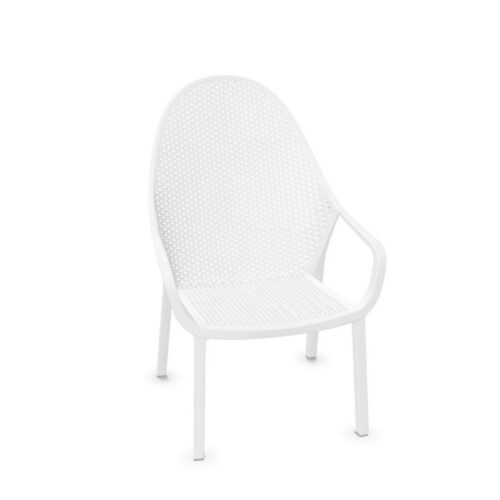


Comparing lounge furniture with beige bases and plastic upholstery
Start by deciding what beige should do in the room. It may relate closely to an existing background or provide a lighter counterpoint to the seating surface. Write down that intention before comparing individual options, since a small tonal difference can change whether the bases appear integrated or separate.
Place the proposed color relationship within the full interior palette. Consider the floor directly below the bases and the background seen behind them from the main entrance. A close match in an isolated view may look different in context. Judge the completed relationship rather than assuming every beige element belongs to the same tonal family.
Check contrast at the base of the seat
With lounge furniture with beige bases and plastic upholstery, the transition between base and floor deserves specific attention. Decide whether a visible outline is part of the design intention. If the tones sit close together, assess whether the furniture still has the desired visual definition from the main room viewpoints.
Include the upholstery in that assessment. Its color may make the base appear lighter, darker, or more distinct by comparison. Review the whole piece under the intended lighting and avoid settling the question from a single isolated color reference. Appearance alone also cannot establish accessibility or suitability for a particular setting.
