



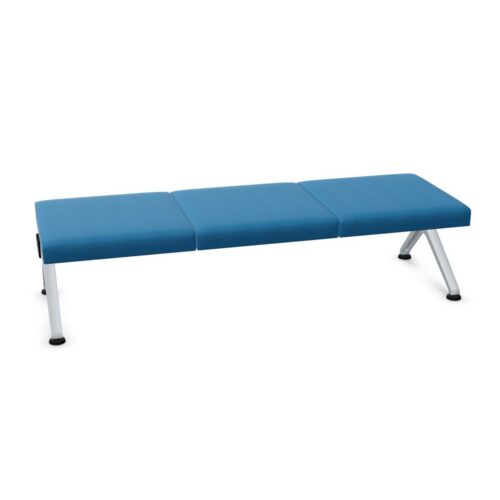


Assessing lounge furniture with brown bases and plastic upholstery
Begin with the particular brown tone and its immediate surroundings. A base can appear distinct against one background and recede against another, even when the furniture itself is unchanged. Review the lower part of the seating against the floor and the larger room view before deciding how prominent it should be.
Avoid treating brown as evidence of a particular material. The useful design decision concerns color coordination: whether the bases repeat an established tone, provide a darker reference, or introduce a separate accent. Keep that intention explicit so later choices about upholstery and nearby furniture follow a coherent direction.
Build a tonal relationship around the seating
For lounge furniture with brown bases and plastic upholstery, compare the upholstery color directly with the bases. Similar tones can make the complete piece appear more unified, while contrast can make the seating surface and support read as separate elements. Choose the relationship that suits the surrounding interior.
Look beyond a simple light-versus-dark comparison. Consider whether the brown appears closer to the neighboring colors or noticeably different from them under the intended lighting. There is no need to match every surface. A deliberate connection between selected elements can be enough, provided unrelated colors do not distract from the room's intended composition.
