

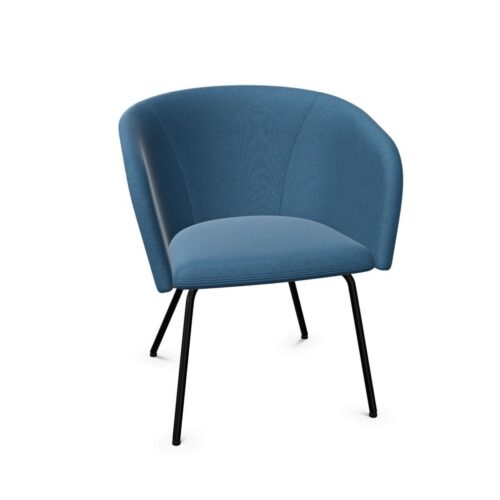
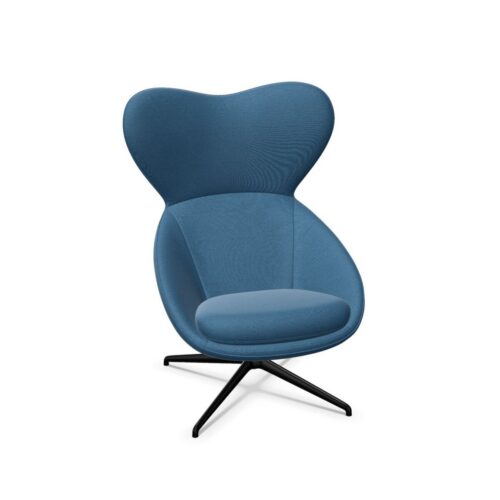
Lounge Furniture With Blue Bases and Aluminum Bases

lounge furniture with blue bases and aluminum bases gives a workplace lounge a specific starting point: blue at the base, with aluminum as the base material. This combination deserves attention where the lower part of the furniture remains visible from entrances, adjoining work areas or circulation routes. Plan the setting around how much of that blue base people will actually see, rather than assuming it will have the same presence from every direction.

In reception areas and shared lounges, the relationship between the base and its surroundings can shape the composition. Compare the blue against the floor, nearby furniture and the background behind the seating. Then assess the aluminum base through its documented form and visible details. Material alone does not establish the surface appearance or construction. A useful comparison brings these points together with the intended seating arrangement, so the furniture has a clear place within the room.

4 models
From €21.57 p/m
10 models
From €6.52 p/m
7 models
From €5.17 p/m
9 models
From €7.11 p/m
14 models
From €12.42 p/m
28 models
From €27.43 p/m
43 models
From €22.39 p/m
79 models
From €31.57 p/m
4 models
From €3.10 p/m
3 models
From €14.06 p/m
2 models
From €33.31 p/m
6 models
From €9.39 p/m
2 models
From €35.55 p/m
7 models
From €8.63 p/m
2 models
From €28.68 p/m
2 models
From €37.27 p/m
6 models
From €16.13 p/m

Plan Lounge Furniture With Blue Bases and Aluminum Bases

Begin with the views that matter most to the room. An arrival view may reveal the furniture beneath the seat, while a view from an adjacent lounge may emphasize its sides. Mark these positions on the room plan and assess the base from each one. This helps establish whether blue should be a noticeable part of the composition or a smaller recurring detail.

Keep the aluminum specification separate from assumptions about appearance. Examine the actual base outline, connections and surface treatment before using those details to coordinate other furniture. The selected material does not establish a particular sheen or profile.

Check Blue Against the Floor and Background

The floor provides the immediate background for a base. Compare the proposed blue with that surface under the lighting intended for the room. A blue that appears distinct in a close view may be less apparent across a large reception area. Consider the complete view, including the backdrop behind the seating, before deciding how prominently to repeat the color.

For lounge furniture with blue bases and aluminum bases, a useful palette starts with a clear hierarchy. Decide whether blue is the main furniture accent or a supporting detail. Repeating it elsewhere should serve that decision rather than become an automatic rule.

Arrange Seating Around Actual Routes

Set out the lounge according to how people arrive, pause and leave. A waiting area near a reception point requires a clear relationship to that destination. A conversation setting needs an arrangement that lets participants face one another without placing the seating across an established route. Resolve those relationships before judging the base as an isolated design feature.

Review the arrangement from the entrance and from the seats themselves. Nearby furniture can interrupt views of the blue base or make its outline appear visually crowded. Adjust placement to give the seating a coherent position within the wider room.

Make the Final Comparison Specific

A consistent review makes lounge furniture with blue bases and aluminum bases easier to assess. Compare equivalent views and ask the same questions of each proposal: how is the base shaped, where is blue visible, and how does the base relate to the rest of the furniture? Keep documented facts distinct from impressions formed from a single image.

Include a room view alongside the individual furniture view. The first explains how the combination participates in the setting; the second allows closer examination of the base. Neither view alone fully explains the relationship between material, color and placement.

Frequently Asked Questions

Should blue bases match other blue elements exactly?

Only if an exact match is part of the design brief. Otherwise, compare the colors together and decide whether their relationship looks intentional. Check them under the planned lighting, especially when they will be close enough for differences to be obvious.

Does aluminum specify the appearance of the base?

Aluminum identifies the material. It does not, by itself, establish the surface treatment, sheen, outline or construction. Confirm those details separately before coordinating the base with nearby furniture.

Which view is most useful for a reception lounge?

Start with the approach visitors will use, then examine side and rear views wherever those remain exposed. This reveals whether the blue base contributes consistently to the arrangement or is mainly visible from one position.

Explore related selections