






Read the Base as Part of the Furniture
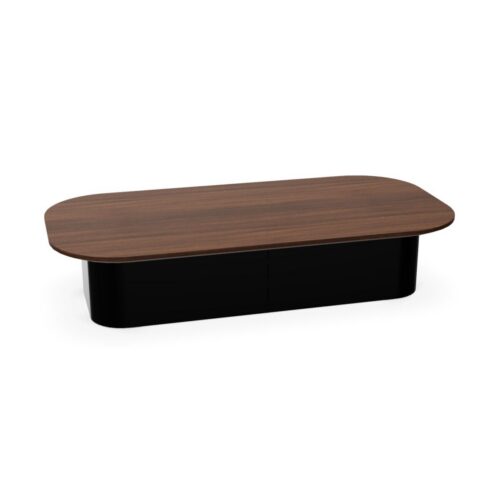
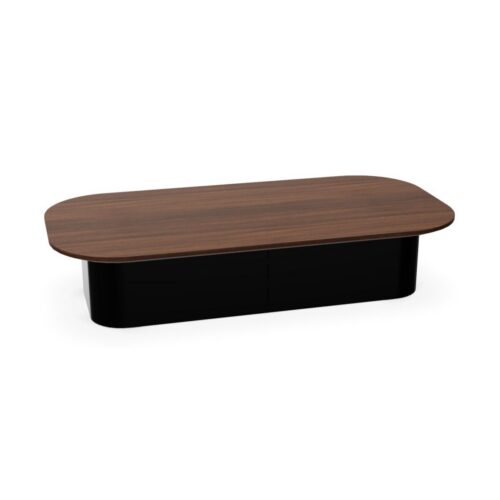
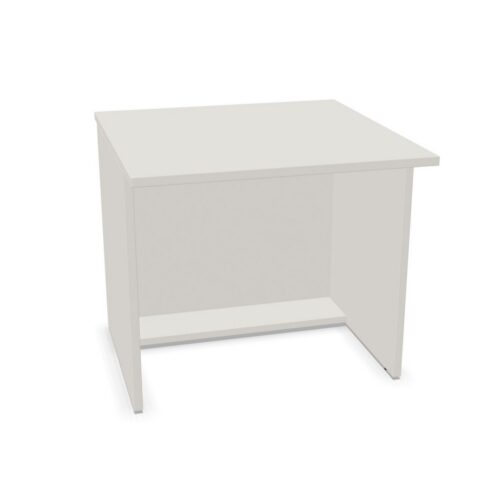
Begin with the transition between the seating and its base. Look at the visible edges, junctions and overall outline, using equivalent views for each comparison. These details can influence how the furniture appears as a complete object. Do not assume that melamine establishes a particular construction or that every visible surface belongs to the same part of the base.
Assess the furniture at room level as well as close up. A detail that attracts attention in an individual view may have little influence on the wider composition. Conversely, a broad visible base surface may make blue more prominent.
Set a Clear Color Relationship
Blue should have an identifiable role in the interior. Decide whether it connects with an existing accent, separates the lounge visually from adjacent work areas or simply adds color beneath the seating. Each approach leads to a different relationship with the floor and nearby furniture. Establish the intention before assessing whether the shade feels appropriate in context.
For lounge furniture with blue bases and melamine bases, compare the actual surface appearance under the planned room lighting. Color alone does not determine how a surface will look across different viewing angles or against contrasting surroundings.
