

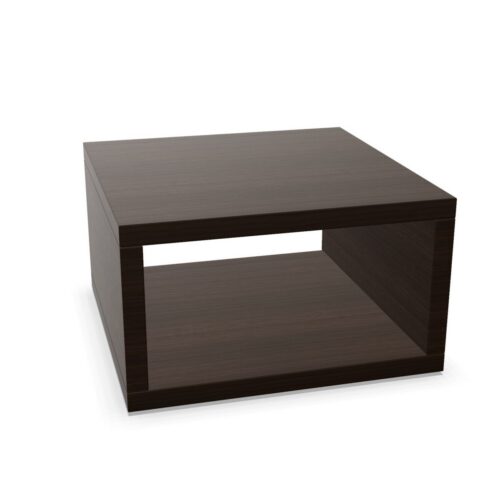
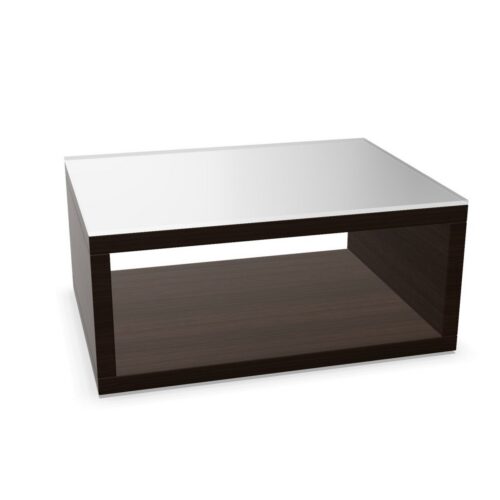
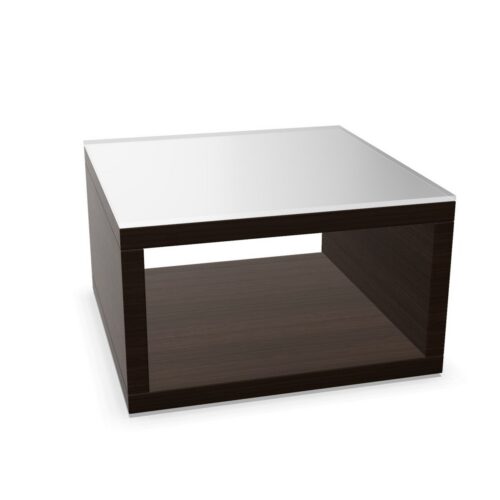
Lounge Furniture With Brown Bases and Melamine Bases

lounge furniture with brown bases and melamine bases combines a brown base color with melamine as the selected base material. For workplace lounges, the useful starting point is the relationship between that visible base and the room’s established finishes. Assess the actual appearance without assuming that brown means a wood pattern or that melamine establishes a particular texture.

This combination can be considered where shared seating sits near other furniture and needs a clear visual connection to its surroundings. Compare the brown base with the nearest elements first, then review the wider room. Similar color descriptions do not guarantee a close match. Look at the complete seating from the entrance and from within the group, noting which base areas remain visible. This helps establish whether the brown should connect with neighboring furniture, relate to the floor, or remain a distinct part of the lounge composition.


Assessing Lounge Furniture With Brown Bases and Melamine Bases

Begin with the actual visible surface of the base. Brown and melamine define the selected combination, but they do not establish a wood-like pattern, a gloss level, or a particular texture. Examine those details directly when considering the furniture for a room. Decide which visible characteristics matter to the scheme and which require further confirmation. Keeping those questions explicit makes the comparison more useful than relying on expectations about the material. Assess the complete seat at the same time, so that the base is considered in proportion to the furniture above it and its intended surroundings.

Coordinate With the Nearest Furniture

For lounge furniture with brown bases and melamine bases, the closest neighboring furniture provides a practical first reference. Compare the brown base against those elements before trying to connect it with more distant features. If the lounge sits beside another functional area, decide whether the furniture should create continuity or mark a visual change. Neither approach requires an exact match. What matters is a relationship that can be explained through the actual appearances. Review the floor as part of this comparison, especially where it introduces another brown tone or makes the outline of the base less distinct.

Separate Surface Similarity From Material Identity

Two elements can look related without sharing the same material, and a shared material description does not guarantee the same appearance. Use that distinction when comparing the melamine base with existing room finishes. Identify whether the intended connection depends on color, visible pattern, or another confirmed detail. Avoid extending a close visual match into assumptions about composition or construction. Where further information matters to the project, confirm it separately. This keeps the lounge scheme focused on observable relationships while ensuring that any technical requirements are assessed using information specific to the furniture under consideration.

Review Visibility Before Finalizing the Group

Check lounge furniture with brown bases and melamine bases from the principal approach and from the routes beside the seating. Identify whether the brown connection appears consistently or is visible only on certain exposed sides. Then consider the view from within the group. Orient the seating around its intended use and access, and assess the base within that arrangement. If the detail connecting it to neighboring furniture becomes concealed, decide whether another visible relationship already provides coherence. Record the final visual priorities so that subsequent decisions about adjacent furniture continue the same reasoning instead of introducing unrelated matching requirements.

Frequently Asked Questions

Does brown melamine necessarily have a wood pattern?

No pattern follows from the selected color and material alone. Examine the actual surface and confirm any appearance details that are important to the intended room scheme.

Should nearby furniture use the same material?

That is only necessary if the project specifically requires it. For visual coordination, compare the actual appearances and identify the color or other confirmed detail that connects them.

How should a close color match be evaluated?

Compare the base and neighboring element together under the same viewing conditions. Then assess them within the full seating arrangement, including the floor and the main approach view.

Explore related selections