



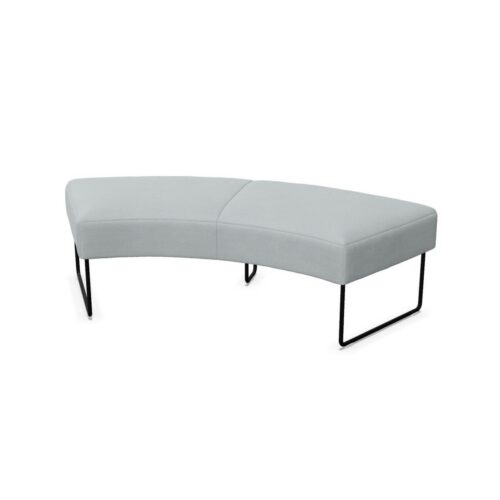


Considering Lounge Furniture With Gold Bases and Wood Bases
Begin with the relationship between the seat body and the wood base. Look at where the support is visible, how its outline meets the seat, and how the gold color contributes to that junction. These details shape the furniture's appearance as a complete piece. Avoid treating the base as an independent accent that can be judged without the seat above it. Review front, side, and rear views where relevant to the room, especially if the lounge arrangement will be visible from surrounding work areas or circulation routes.
Check How the Wood Is Presented
A wood base description does not establish whether particular surface details will be visible. Examine the actual appearance before including grain, texture, or other visual expectations in the project brief. The gold color should also be assessed directly, including its extent across the base. For lounge furniture with gold bases and wood bases, this distinction keeps material identity separate from assumptions about appearance. It also makes comparison more precise: reviewers can discuss the observed color and form without assigning features that have not been confirmed for the furniture.
Connect the Combination to a Shared Lounge
Shared lounges often sit between spaces with different purposes. Consider which adjacent area provides the most useful visual reference for the seating. The gold and wood base combination might relate primarily to the lounge itself, or it may contribute to continuity with an adjoining room. Decide this before trying to coordinate every nearby detail. Review the bases against the floor and alongside the colors of the seating. A clear reference point helps prevent the arrangement from becoming a compromise between several unrelated visual directions.
