

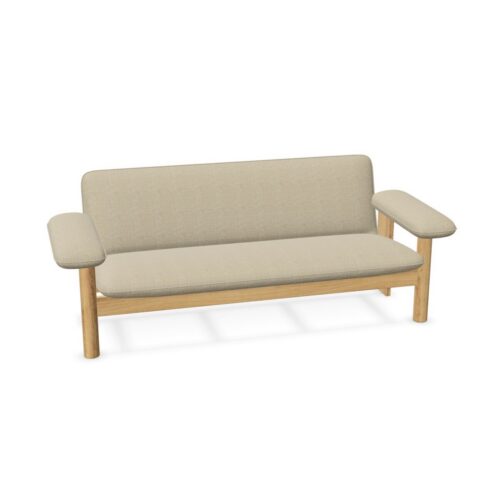
Lounge Furniture With Beige Bases and Wood Bases

lounge furniture with beige bases and wood bases brings together a beige color direction and wood as the specified base material. The combination offers a focused starting point for coordinating workplace lounges with their architectural surroundings. Beige should be assessed as an actual tone, while the wood description should remain separate from assumptions about species, grain visibility, or finish. Review the complete base to understand how those confirmed attributes appear together.

For reception and conversation areas, begin with the relationship between the furniture and the room’s established finishes. Decide whether the beige base should sit close to the floor, connect with a nearby element, or form a distinct transition beneath the seating above. Then examine how that relationship changes across the arrangement. Side views and views between seats can reveal more of the wood base than a single front view, making them useful when developing a coherent group.

3 models
From €34.69 p/m
5 models
From €31.41 p/m
4 models
From €55.20 p/m
2 models
From €104.98 p/m
4 models
From €31.59 p/m
2 models
From €2.71 p/m
3 models
From €14.88 p/m
3 models
From €16.85 p/m
2 models
From €22.69 p/m
4 models
From €21.57 p/m
€20.01 p/m
7 models
From €6.27 p/m
€27.24 p/m
2 models
From €61.35 p/m
€65.03 p/m
3 models
From €27.02 p/m
€19.30 p/m
€73.36 p/m
2 models
From €37.65 p/m
2 models
From €31.82 p/m
2 models
From €85.01 p/m

Coordinating lounge furniture with beige bases and wood bases

Start with the room's established palette rather than an assumed appearance for wood. Identify the floor and architectural elements that will remain visible around the seating group. Compare the beige base with those references and decide which relationship matters most. The material description does not establish a wood species or an exposed grain pattern. Work from the confirmed finish of the individual piece. This gives the palette discussion a sound basis and avoids planning around a natural wood appearance when the actual beige treatment may present the material differently within the complete furniture design.

Choose a Deliberate Tonal Relationship

Beige can form a close relationship with surrounding pale colors or create a clear step between darker elements. Decide which approach serves the interior before reviewing shades. Look at the undertone of the base alongside the floor, walls, and upper furniture. An approximate match can be less convincing than a deliberate difference, particularly when several finishes are visible together. Where possible, compare actual references under the lighting intended for the room. Record the agreed tone and the desired relationship, so later decisions are guided by the design intention as well as the color name.

Review the Wood Base Within the Whole Piece

With lounge furniture with beige bases and wood bases, the material is only one part of the comparison. Review the base outline, its connection to the seating above, and the visible beige surface. Check whether the form is exposed from the side or largely concealed by the upper furniture. Those observations help establish its role within the composition. Do not infer a particular construction or care requirement from wood alone. Confirm the details that matter for the project and keep them connected to the actual piece rather than to a general expectation of the material.

Plan for the Views Between Seats

The spaces between furniture pieces can make bases more apparent than a front view suggests. Review a facing arrangement from the room entrance and from the route beside it. Check how the beige bases appear across those gaps and whether their repeated outlines support the intended composition. Keep an understandable approach to each seat and consider the full base form when placing neighboring furniture. Across several lounge areas, continuity can come from an agreed beige reference and a related visual character. Each group can still have an orientation that suits its own position and purpose.

Frequently Asked Questions

Will the Wood Grain Be Visible?

The wood description does not establish grain visibility or finish appearance. Check the individual base and its beige treatment before using a grain pattern as part of the interior brief. A clear visual reference is more useful than an assumption about exposed wood.

Should Beige Bases Match Other Wood Elements?

They do not need to match exactly. Compare the actual beige finish with the surrounding elements and choose an intentional tonal relationship. The aim is a coordinated composition, which can include a clear difference as well as a close color connection.

Which Details Should Remain Consistent Across Lounges?

For lounge furniture with beige bases and wood bases, agree on the beige reference and the visible character of the base. Carry those references across the project while allowing seating placement and orientation to respond to the role of each lounge area.

Explore related selections