

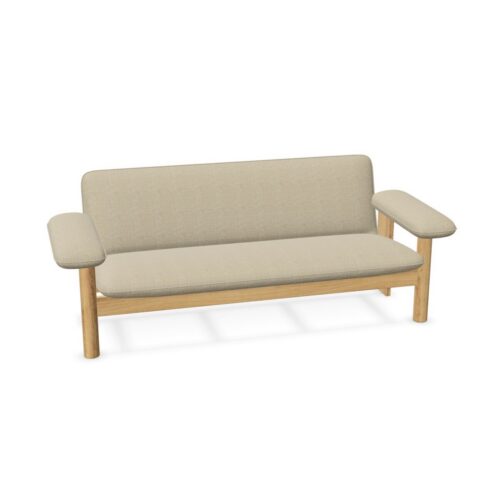
Lounge Furniture With Brown Bases and Wood Bases

lounge furniture with brown bases and wood bases makes the relationship between color and material central to the lounge scheme. Brown is the selected base color, and wood is the selected material. Together, they provide a specific starting point for comparing seating with existing furniture, while leaving the actual tone and surface appearance to be assessed on each piece.

In reception lounges and shared conversation areas, begin by identifying the wood elements already visible in the room. Decide whether the seating base should relate closely to one of them or introduce a deliberate difference. A shared material description does not guarantee a visual match, and brown does not identify a wood species or finish. Compare the complete seating against the floor as well, so that the base has a considered relationship both to its immediate background and to the wider interior.

2 models
From €2.71 p/m
2 models
From €22.69 p/m
€20.01 p/m
7 models
From €6.27 p/m
€27.24 p/m
2 models
From €61.35 p/m
4 models
From €6.14 p/m
€65.03 p/m
€19.30 p/m
2 models
From €37.65 p/m
2 models
From €31.82 p/m
2 models
From €85.01 p/m
2 models
From €94.44 p/m
2 models
From €9.35 p/m
2 models
From €57.11 p/m
13 models
From €81.83 p/m

Coordinating Lounge Furniture With Brown Bases and Wood Bases

review the room's existing wood elements before establishing the seating relationship. Identify which are visually prominent from the lounge and which are only apparent at close range. The brown wood base does not need to connect equally with all of them. Choose the relationship that matters most to the room's composition, then assess it through the actual appearances. This gives the comparison a clear reference point. It also avoids treating every wood element as interchangeable when differences in visible tone or surface may be significant to the overall scheme.

Compare Brown Tones Without Assuming a Match

When reviewing lounge furniture with brown bases and wood bases, compare the selected brown with neighboring browns under the same viewing conditions. Decide whether the relationship should be close or clearly different. An uncertain near-match can be harder to assess than an intentional difference, especially where the pieces are viewed together. Do not use the color name to infer a species, grain pattern, or finish. Examine any visible characteristics directly and confirm details where necessary. Keep the floor in the comparison, since it provides the immediate background against which the base will be seen.

Control How Many Material References Compete

A lounge containing several wood appearances benefits from a clear order of visual importance. Decide which existing element leads the composition and how the seating base relates to it. Other elements can remain secondary without needing replacement or exact coordination. Assess the complete seat rather than isolating the base, because the furniture above it also affects the room's visual balance. Where a proposed seating group introduces another distinct brown, check whether that addition has a clear purpose. The objective is an understandable relationship between the elements, not a requirement that every surface appear identical.

Test the Relationship in the Final Arrangement

Position lounge furniture with brown bases and wood bases according to the intended conversations and the route into the group. Then review whether the chosen material and color connection remains visible. A base facing an open aisle may contribute more to the room scheme than one concealed behind another seat. Compare the entrance view with the view from within the lounge. If the connection is only apparent at close range, decide whether that is appropriate for its role. Adjust the visual scheme around the practical arrangement rather than relying on a matching relationship that the layout largely hides.

Frequently Asked Questions

Does brown indicate a particular wood species?

No. Brown identifies the selected color, while wood identifies the material. Confirm species or finish separately if either is relevant to the project, rather than inferring it from appearance.

Can different wood appearances work in one lounge?

They can be considered as a deliberate composition. Establish which element leads, then compare how the brown base relates to it and whether the remaining differences appear intentional.

What if the base closely resembles the floor?

Review whether the reduced distinction suits the room. Check the complete seating from the main approach and decide whether the base still contributes the intended visual relationship.

Explore related selections