

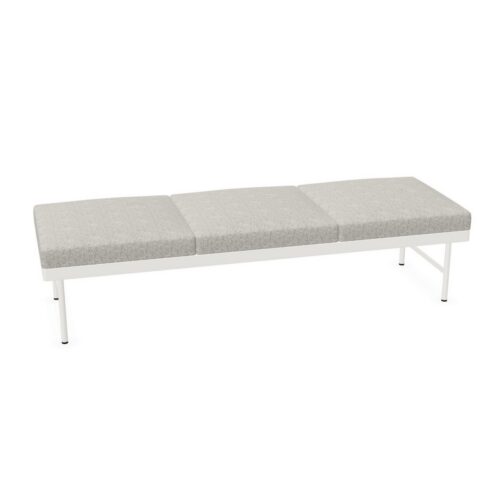
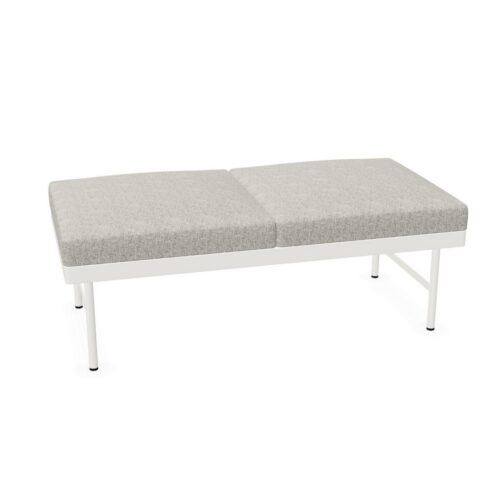
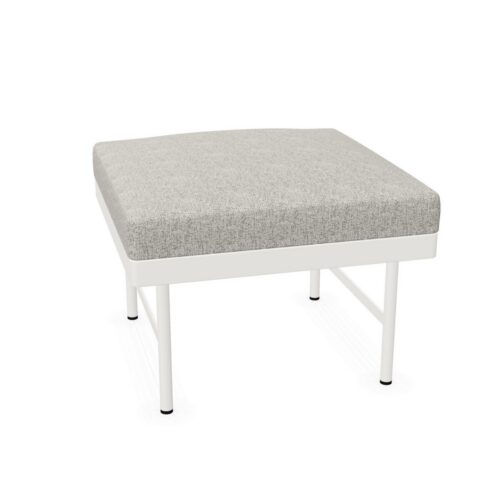
Lounge Furniture With Green Bases and No Armrests

lounge furniture with green bases and no armrests combines open seating sides with a color detail below the seat. In an informal gathering area, that pairing puts particular emphasis on orientation, spacing and the way the group meets the surrounding room. With no armrests defining the lateral boundaries, the arrangement needs to communicate where people sit and how they enter. Green bases can add a common visual detail where they are exposed.

Consider lounge furniture with green bases and no armrests in relation to the activities around it. A group beside a shared workplace route needs a different edge from seating set within a dedicated lounge area. Compare the complete furniture outlines, the views of the green bases and the approach to each position. The absence of armrests is a specific design attribute; it does not establish movement, connection between pieces or any other feature.

€11.58 p/m
2 models
From €22.69 p/m
€34.30 p/m
€13.82 p/m
2 models
From €13.18 p/m
7 models
From €6.27 p/m
€27.24 p/m
5 models
From €43.95 p/m

Shaping groups with lounge furniture with green bases and no armrests

Begin with the kind of gathering the area should accommodate. A face-to-face arrangement gives participants a different relationship from seating that follows a room edge or turns toward a common focal point. Armless sides make the spacing between pieces especially relevant to how the group is read. Decide whether individual seats should appear separate or form a more continuous visual arrangement, where the furniture permits. Review the whole group before refining the gaps. Its position in the room should make the purpose apparent, with an understandable approach and a clear relationship to the activity happening around the seating area.

Distinguish the lounge edge from the passing route

Where people pass beside the lounge, assess the boundary between circulation and seated activity. Open sides do not automatically establish a suitable place to enter, and a seat facing a route may relate differently to passersby than one turned toward the group. Trace the normal path through the room, then examine each point where someone could join the seating. Use orientation and deliberate separation to make those relationships clear. Avoid assuming that the absence of arms resolves every access question. The remaining furniture outline, neighboring pieces and occupied seating positions all need to be included in the assessment of the lounge edge.

Place green within the wider composition

Review the bases as part of the room’s color arrangement, including views from nearby work areas. If green is intended to connect separate pieces, check that enough of each base remains visible in the chosen orientation. If it is intended as a localized detail, consider where the color first appears along the approach. Compare the actual shade with existing colors in the room rather than relying on the word green alone. The base color does not establish its material or appearance under every lighting condition. Assess it in context, alongside the furniture spacing that makes each seating position clear to the people entering.

Check how an occupied group works

Before settling lounge furniture with green bases and no armrests into a plan, represent people in the intended positions and review the group again. Examine how a late arrival finds a place, how a seated person leaves and whether neighboring activity crosses the conversation area. The open sides should be assessed as part of those specific relationships. Then return to the visual composition: check whether the green bases still form the connection you intended once the group is occupied. This combined review helps establish a layout with clear seating positions, an understandable perimeter and a deliberate use of the selected base color.

FAQ

Can armless seats be placed directly together?

That depends on their actual form and intended arrangement. No armrests does not establish that pieces connect or align. Review the complete outlines and the relationship between seating positions before placing them together.

How can the lounge remain distinct beside a route?

Use the orientation and separation of the furniture to establish a clear group. Review where people pass and where they join, rather than relying on an open side to indicate the intended entrance.

Does a green base need other green furniture nearby?

No. Decide whether the base should repeat an existing color or act as a separate detail. Assess its visibility and relationship to the wider palette before introducing additional green into the room.

Explore related selections