

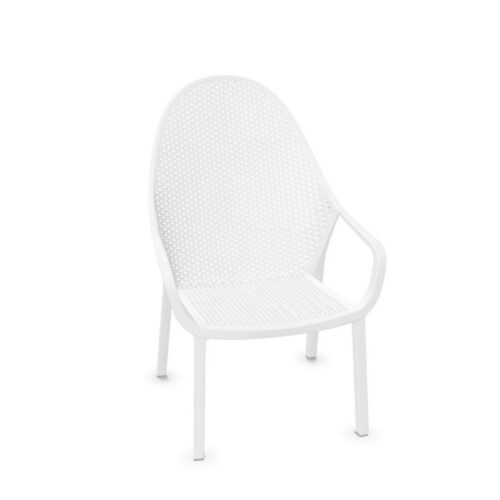
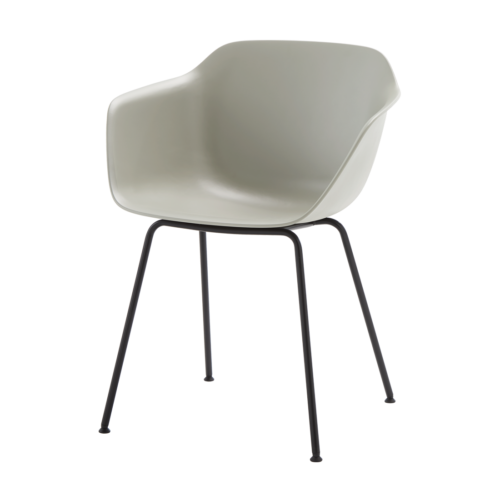
Lounge Furniture With Green Bases and Fixed Armrests Armrests

lounge furniture with green bases and fixed armrests armrests brings together a base color that can connect a room visually and arms that remain in their designed position. For a workplace project with several planned seating groups, this combination calls for a consistent method of comparison. Assess the complete outline of every piece, then consider where the green base contributes to the composition from the viewpoints people will actually use.

Planning lounge furniture with green bases and fixed armrests armrests starts with the intended arrangement rather than an assumption that each piece can fit any position. Fixed arms stay relevant when a seat is turned, placed beside another or related to a shared table. Green may provide a common detail across those arrangements, but the shade and exposed base appearance still need review. Treat visual coordination and practical placement as connected decisions throughout the project.

3 models
From €16.85 p/m
3 models
From €15.62 p/m
2 models
From €36.84 p/m
7 models
From €66.27 p/m
4 models
From €33.37 p/m
5 models
From €43.95 p/m
2 models
From €14.21 p/m
2 models
From €20.11 p/m
3 models
From €14.35 p/m
€43.15 p/m
10 models
From €15.13 p/m
2 models
From €28.93 p/m
2 models
From €89.23 p/m
2 models
From €34.01 p/m
17 models
From €4.61 p/m
2 models
From €52.20 p/m
6 models
From €24.52 p/m
7 models
From €10.39 p/m
39 models
From €5.39 p/m
20 models
From €9.70 p/m

Comparing lounge furniture with green bases and fixed armrests armrests

Set out the decisions that need to remain consistent across the project. These may include the direction of seating groups, the relationship to main routes and the intended role of green within the room. Fixed armrests provide a known side arrangement, but their actual form still needs assessment. Compare each piece using its complete outline and its proposed orientation. A seat that works at the end of a group may present a different approach when placed between neighboring furniture. Establish a repeatable review process so that the shared attributes do not obscure differences that matter to the final seating plan.

Resolve the perimeter of each seating group

Work outward from the conversation area to the routes around it. First decide where participants should face, then examine the fixed arms and the outer edges of the group. Check the positions people will pass when entering or leaving an occupied seat. Fixed arms remain part of that boundary, so the layout should make sense with them in place. Review corners carefully, particularly where two pieces approach one another at an angle. A plan can look orderly from above while leaving an unclear route on the ground. Assess each entrance to the group from the direction people will normally arrive.

Establish a clear brief for the green base

Describe what green should contribute to the room before assessing how strongly it appears. It might connect several groups, relate to an existing color or distinguish the lounge from nearby work areas. The base should be visible from the viewpoints relevant to that purpose. Examine the actual shade beside surrounding colors and under the intended lighting. Do not treat the color name as a statement about material or surface appearance. When several seating groups share the same brief, check them together: a repeated base detail may look different when one group faces the entrance and another is viewed from behind.

Review alternative arrangements consistently

When assessing lounge furniture with green bases and fixed armrests armrests, apply the same questions to every proposed layout. Can each seat be approached with neighboring places occupied? Does the group have a clear edge beside the main route? Is green visible where the design brief requires it? Keep the arms in their fixed position throughout these comparisons. If a group is rotated or moved within the plan, repeat the route and sightline review because both may change. Record the arrangement that resolves these relationships, together with any specific arm profile or base appearance that influenced the decision.

FAQ

What should remain consistent across repeated seating groups?

Use the same review criteria for access, fixed side boundaries and the role of green. The groups themselves can vary in orientation or arrangement when their locations require different relationships to the room.

Do fixed armrests establish the arm shape?

No. Fixed describes the armrest arrangement, while the profile remains a separate design detail. Examine the actual arms when deciding how neighboring furniture and approach routes should relate to each seat.

Should a rotated seating group be reviewed again?

Yes. Rotation changes the approaches to fixed arms and the views of the green bases. Recheck both relationships in the proposed position, even when the furniture and surrounding color scheme remain the same.

Explore related selections