

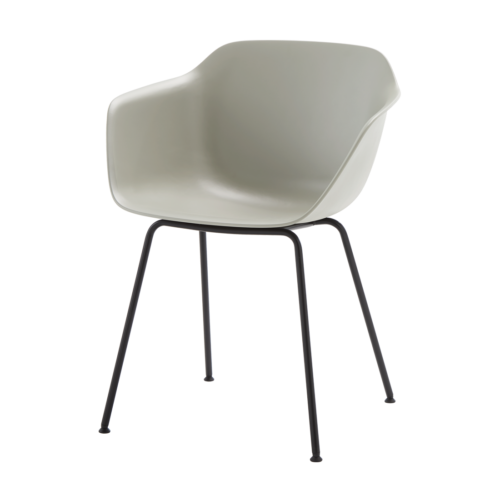
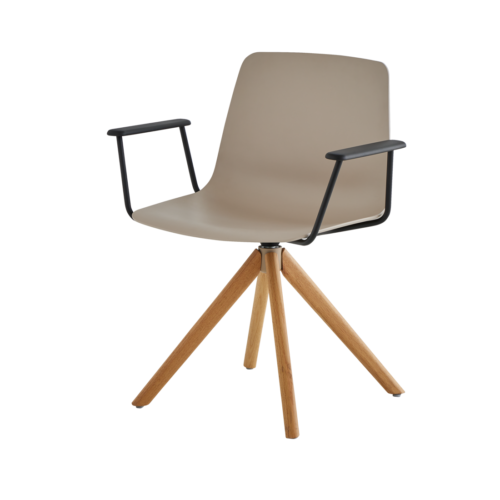
Lounge Furniture With Green Bases and Aluminium Bases

Lounge furniture with green bases and aluminium bases provides a shared color and material reference for seating across connected workplace areas. When several lounges or waiting spaces belong to the same interior scheme, the challenge is to maintain a recognizable relationship without forcing every arrangement to look identical. Begin by deciding which visible details should remain consistent and which can respond to each room.

The green aluminium base can form part of that shared brief, but its actual appearance needs to be considered within each setting. Different orientations, surrounding colors, and views into the room can change how prominently the base is seen. Compare the complete seating groups rather than relying on the material and color names alone. Establish a common green reference, then review how the base relates to each seating body and the permanent elements around it.

3 models
From €16.85 p/m
3 models
From €15.62 p/m
€22.84 p/m
7 models
From €66.27 p/m
4 models
From €94.99 p/m
4 models
From €50.51 p/m
2 models
From €284.97 p/m
4 models
From €23.04 p/m
2 models
From €14.21 p/m
17 models
From €4.61 p/m
5 models
From €9.98 p/m
7 models
From €10.39 p/m
10 models
From €6.89 p/m
39 models
From €5.39 p/m
20 models
From €9.70 p/m
27 models
From €4.57 p/m
4 models
From €29.68 p/m

Coordinating Lounge Furniture With Green Bases and Aluminium Bases

For connected lounge areas, establish the common design intention before comparing individual arrangements. Decide whether the green base is meant to create continuity between rooms or simply belong to a shared palette. These intentions lead to different decisions about visibility and repetition. Walk through the sequence of spaces and note where seating groups can be seen together. A detail that links adjacent groups may have less influence in a separate room. Use those observations to define what should remain consistent across the project and what should be assessed locally within each seating arrangement.

Build a Shared Reference for Green

A common color name is a starting point, but a physical reference can make discussions more precise. Review the intended green alongside the seat colors and permanent elements in each area. Include the actual lighting conditions where possible. The aim is to agree on a deliberate relationship rather than assume the same visual result in every room. Record the accepted reference and any room-specific considerations together. Keep the aluminium base requirement explicit, while assessing its actual surface appearance separately. Neither the material name nor the color description establishes every aspect of the visible base.

Allow Layouts to Respond to Their Rooms

Lounge furniture with green bases and aluminium bases can belong to a consistent scheme while appearing in different arrangements. One room may require a group facing its entrance, while another may organize seating around conversations between colleagues. Assess the base visibility within each layout instead of imposing an identical orientation everywhere. Review the principal approach, seated viewpoints, and exposed sides. Check how neighboring furniture affects the repeated green detail. This allows the shared color and material brief to remain clear while the arrangement responds sensibly to the room's circulation and intended use.

Compare the Completed Groups Together

Before agreeing on the overall scheme, review the proposed seating areas as a connected set. Look for differences in the amount of visible green, the relationship between base and seating body, and the colors immediately surrounding each group. Decide which differences are intentional and which need adjustment. Continuity may come from a repeated reference rather than an identical appearance from every viewpoint. Document the reasoning so that later changes can be assessed against the same intention. A useful record combines the shared green and aluminium requirements with the local arrangement and the views that informed it.

Frequently Asked Questions

Must connected lounge areas use identical arrangements?

They can share a color and material brief while responding to different room layouts. Review each arrangement's circulation, seating orientation, and visible base details before deciding how closely the groups should resemble one another.

What should remain consistent across several rooms?

For lounge furniture with green bases and aluminium bases, agree on the green reference and aluminium requirement. Then define which visible relationships should repeat and which may vary with the setting.

Why assess the green reference in every location?

Surrounding colors, lighting, and furniture orientation affect how the base is perceived. A local review helps confirm that the shared reference contributes to the intended scheme throughout the connected areas.

Explore related selections