


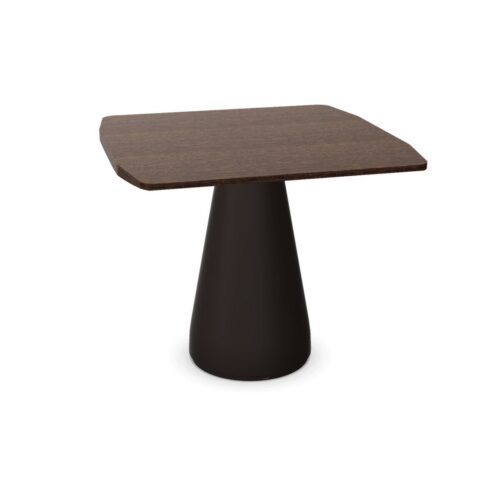


Comparing Lounge Furniture With Pink Bases and Melamine Bases
Build the comparison around three observable points: the actual pink color, the visible base outline, and the relationship between the base and the seating form. These points keep the discussion specific to the selected combination while allowing different furniture forms to be assessed consistently.
Start with the position where the furniture will be most noticeable. Review what the base contributes from that viewpoint before examining smaller details. Then check the side and rear where they remain exposed, particularly in lounges with routes passing around the seating rather than approaching only from the front.
Coordinate Color at the Base Level
Pink beneath a seat is seen alongside the floor and within the shadows around the furniture. Assess it in that context instead of comparing color references in isolation. Note whether the pink stands clearly apart from the floor or forms a closer relationship with its surroundings.
Include other pink areas visible in the same view. Decide whether the base should connect closely with them or provide a related variation. Keep the room's intended emphasis clear so that repeated base details contribute to the composition without creating an unintended concentration of color.
Keep Material Questions Precise
When assessing lounge furniture with pink bases and melamine bases, do not extend the material description into assumptions about additional composition, finish, or performance. Confirm any project requirement that depends on those details separately. The visible furniture provides the basis for evaluating color and form.
Look carefully at how the base is expressed beneath the seat. Its exposure and outline affect the amount of pink present in the room. Record those observations in plain terms so that colleagues can distinguish what has been seen from what still requires clarification for the final brief.
