

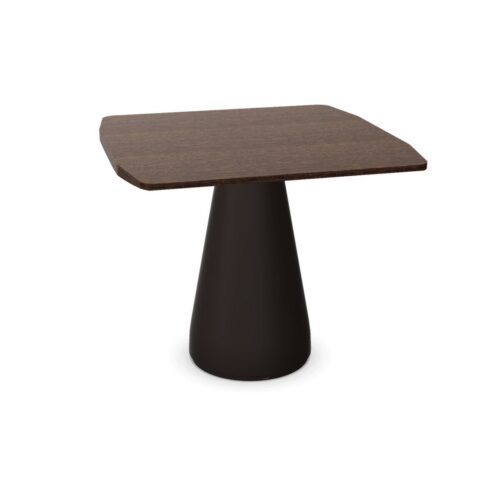
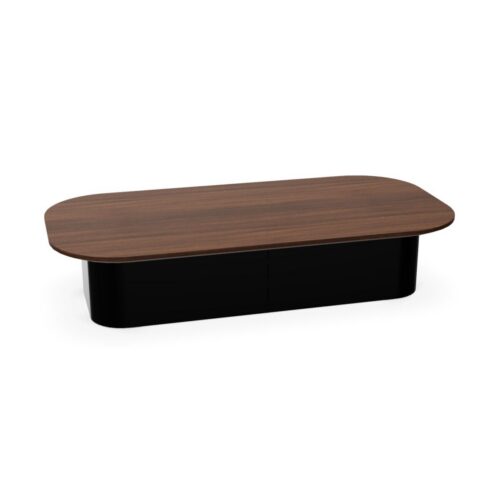
Lounge Furniture With Red Bases and Melamine Bases

lounge furniture with red bases and melamine bases offers a specific starting point for coordinating a lounge: a red base color paired with melamine as the stated base material. The most useful comparison is between the visible base, the furniture above it, and the room around it. Neither the color nor the material name establishes the exact surface appearance, so judge the complete combination before deciding its role in the scheme.

This pairing calls for a careful review of adjacent colors. A red detail near the floor may relate differently to the seating surface, surrounding walls, and nearby furniture. Establish which relationships should carry through the lounge, then assess the actual base treatment in that context. Keep any questions about underlying construction or care separate from the visual decision, so the selection remains grounded in what is known about the furniture.

2 models
From €11.99 p/m
4 models
From €35.51 p/m
7 models
From €17.65 p/m

Coordinating lounge furniture with red bases and melamine bases

Begin by collecting the room's main color references. Include the floor, the backdrop behind the seating, and nearby furniture that will remain in place. Compare the red base with those references as a group. This reveals whether the accent has a clear relationship to the interior or needs a different surrounding palette.

Then review the complete seating form. A base can be visually prominent or largely concealed depending on the furniture and its position. Establish how much red is visible from the principal approach before deciding whether it should carry a central or secondary role in the lounge design.

Assess the visible surface directly

For lounge furniture with red bases and melamine bases, the stated material does not establish the precise appearance of the surface or the construction beneath it. Examine visible edges, junctions, and areas facing the room. Treat those observations as evidence of appearance, without extending them into assumptions about composition or performance.

Keep finish questions specific. If a particular sheen, texture, or visual relationship matters to the scheme, confirm it for the furniture being considered. Likewise, obtain the applicable care information when maintenance requirements form part of the brief. The material name alone cannot resolve those separate specification questions.

Use neighboring furniture as a comparison

Look at the red base alongside the nearest furniture rather than assessing every item independently. Compare the visual weight of the forms, the placement of color, and the way their outlines meet the floor. A shared color theme can connect pieces, but the actual tones still need to be seen together.

Do not require identical surface appearances simply because material terminology overlaps elsewhere in the room. Coordination can come from color relationships or form as well as similarity. State which relationship the design intends to create, then judge the proposed arrangement against that intention from several relevant viewpoints.

Resolve the arrangement before the final specification

Place lounge furniture with red bases and melamine bases within the proposed seating layout and review how the accent repeats. Concentrating red in a particular group produces a different composition from distributing it across the lounge. Compare both ideas against the entrance view and the existing room palette before settling the direction.

Check the practical arrangement at the same time. Seating should have a clear relationship to the room's approach and to other seats, with understandable circulation around the group. Record placement decisions alongside the visible finish preference and any unanswered material questions, giving the project team a coordinated basis for review.

Frequently Asked Questions

Does melamine establish the underlying construction?

No. The selected material term does not provide a complete construction description. Confirm any underlying composition or construction detail separately when it is relevant to the project specification.

Should nearby furniture have an identical surface?

Only if that is part of the design brief. Compare actual appearances together and decide whether the intended connection comes from color, form, or a similar visible treatment.

Where should the red base be assessed?

Review it against the floor and the backdrop behind the seating, then alongside neighboring furniture. These views reveal how the red participates in the complete lounge rather than in isolation.

Explore related selections