

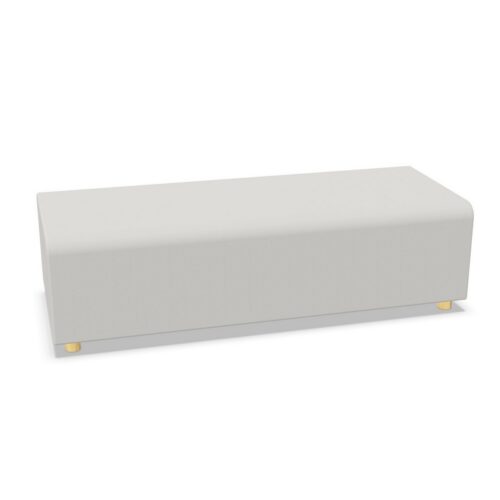
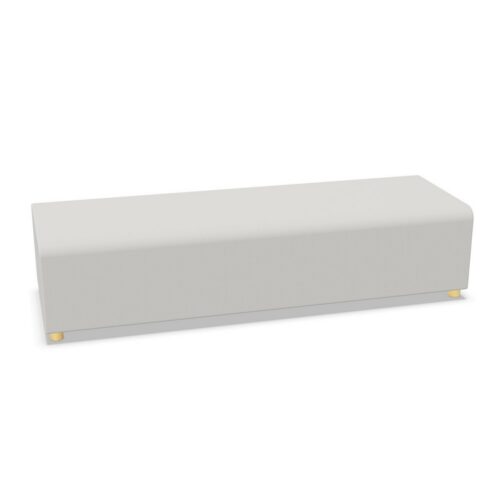
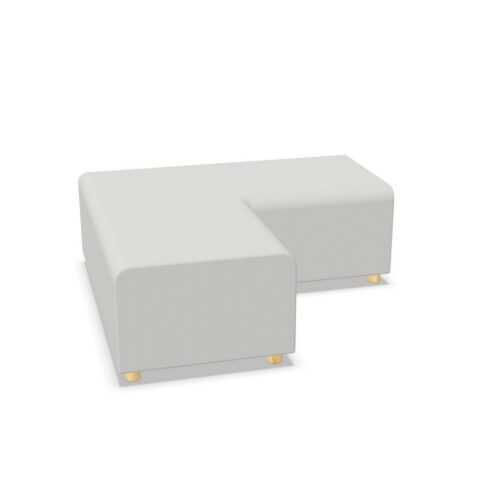
Lounge Furniture With Wood Bases and No Armrests

lounge furniture with wood bases and no armrests combines a wood-toned base appearance with seating that has no armrest boundary at the sides. The color can relate the lounge to the wider interior, while the armless form places more responsibility on orientation and spacing to explain the seating arrangement. Consider the combination for informal workplace settings where the relationship between separate seating positions needs to be clear.

Begin with the room’s existing wood tones and the direction from which people approach. Decide whether the bases should coordinate closely with the surroundings or introduce a distinct tonal variation. Then review how each seat relates to its neighbors and any shared table. Do not infer a construction material from the wood-colored appearance or assume that an armless form requires a smaller footprint. Assess the actual furniture outline, using the color relationship to support the composition and the layout to establish how the area is intended to work.

3 models
From €34.69 p/m
5 models
From €31.41 p/m
4 models
From €55.20 p/m
2 models
From €104.98 p/m
€10.09 p/m
€34.30 p/m
€13.82 p/m
2 models
From €85.01 p/m

Composing lounge furniture with wood bases and no armrests

Give the seating group a clear organizing idea before considering smaller decorative details. The arrangement might face the room for waiting or turn inward for conversation. Without arms defining the sides, the direction of each seat becomes an important part of how visitors understand the group.

Review the edges as carefully as the center. Decide where someone should enter and where the main route should pass. An open side profile does not establish an access route by itself. The full seat and base outline still needs to be considered, together with the space people occupy when the lounge is in use.

Use wood tones to relate the group to its setting

Identify the wood-colored elements that are most visible from the approach. The bases can echo one of these tones without matching every nearby detail. Compare the furniture in its intended position, where the floor and surrounding colors will influence how the base appearance is perceived.

When assessing lounge furniture with wood bases and no armrests, look for a deliberate relationship rather than an approximate match made without context. A distinct tonal difference may be easier to understand than several almost identical colors. Keep this assessment about appearance, and confirm the actual construction separately rather than treating a wood tone as a material specification.

Clarify neighboring seating positions

Armless seating needs a considered relationship between adjacent positions. Assess the direction each person faces, how they join the group and where personal seating areas begin and end. The absence of an armrest boundary makes these layout decisions especially relevant when seats are arranged close to one another.

Review the group with its intended occupants in mind, including the route taken when nearby positions are occupied. Shared tables can help establish a center, but should not make the entrance ambiguous. Keep the complete furniture footprint visible in the planning process rather than relying on the apparent openness of the side profile.

Evaluate the arrangement beyond the entrance view

An entrance view can show the overall wood-tone relationship, while a closer view reveals how the bases and seat outlines relate. Include both when comparing alternatives. Also assess the lounge from the adjoining circulation route, where an unclear end position may look like an unintended gap through the group.

Finish by checking purpose, color and movement together. The seating direction should communicate the intended interaction, the bases should have a considered relationship with the room palette, and the approach should remain recognizable. Resolve each issue on its own terms: changing a wood tone will not clarify an awkward entrance, and rearranging seats will not necessarily improve an unresolved color relationship.

Frequently Asked Questions

How can an armless group look organized?

For lounge furniture with wood bases and no armrests, use consistent orientation and clear relationships between neighboring seats. Establish the intended entrance and shared center, then assess the group when occupied so that individual seating positions remain understandable.

Should the wood tone contrast with the floor?

Contrast is an option, not a requirement. Compare a closer tonal relationship with a clearer difference in the actual room, considering how visible the bases should be and which other wood tones are already part of the interior.

Does the absence of arms establish the footprint?

No. The seat and base still determine the complete outline. Assess that outline directly when planning routes and neighboring positions, rather than assuming that an armless profile automatically occupies less space or permits access from every direction.

Explore related selections