

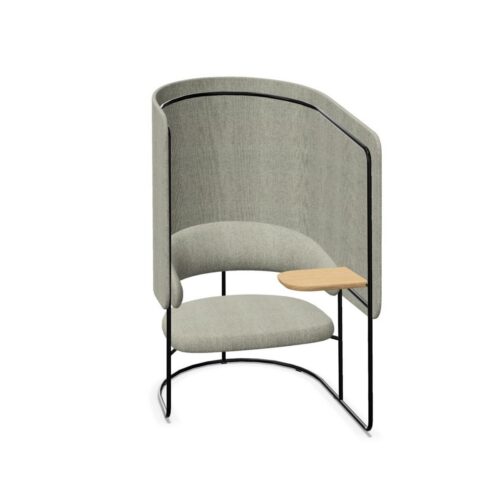
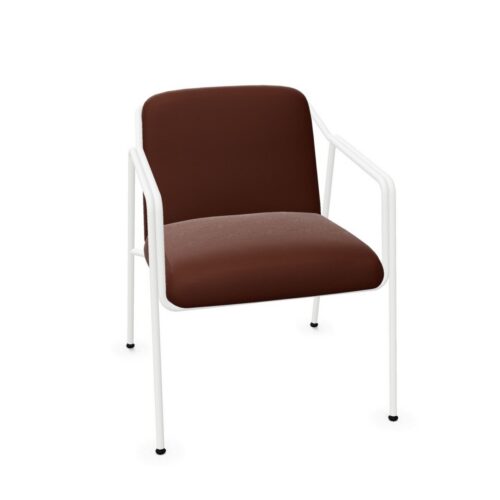
Lounge Furniture With Metal Bases and Black Upholstery

lounge furniture with metal bases and black upholstery provides a specific material and color starting point for planning a workplace lounge. Black establishes the upholstery color, while metal identifies the base material without defining its color, finish or shape. The relationship between those elements should be assessed in the room, especially where the seating sits beside existing furniture with a strong visual identity.

Begin by deciding whether the lounge should continue the surrounding workspace or form a distinct meeting and waiting area. Compare the complete furniture outline, not just the black upholstery. A base that is visually prominent will affect the grouping differently from one that is less apparent beneath the seat. Check its actual appearance, the views from nearby circulation routes and the contrast with the floor. Those observations provide a more useful comparison than assumptions about what metal furniture should look like.

5 models
From €34.91 p/m
3 models
From €34.69 p/m
5 models
From €31.41 p/m
3 models
From €30.91 p/m
4 models
From €55.20 p/m
2 models
From €104.98 p/m
2 models
From €64.77 p/m
6 models
From €11.58 p/m
Price on request
Price on request

Assess lounge furniture with metal bases and black upholstery

Use the existing room as the starting reference. Identify the strongest lines in nearby furniture, the dominant background colors and the places from which the lounge will be seen. Then assess whether the metal base continues those relationships or introduces a separate visual language. Metal alone does not establish a polished appearance, a particular color or a slender profile. Review the actual base design alongside the black upholstery, keeping the complete furniture silhouette in view. This is especially useful where the lounge shares an open room with desks or reception furniture.

Make shared spaces visually coherent

A lounge within a larger workplace needs a clear relationship with its surroundings. It can share a color reference with adjacent seating, repeat a visible base detail or rely on a consistent arrangement to establish continuity. Choose the connection that matters most instead of trying to repeat every nearby feature. Where black upholstery already appears elsewhere, examine whether the new grouping extends that theme or creates an overly concentrated dark area. Assess the overall room from its main entrance so the lounge is considered within the full composition.

Compare the base and upholstery independently

With lounge furniture with metal bases and black upholstery, the two selected attributes answer different questions. The base material is known, but its visual treatment still needs examination; the upholstery color is known, but its material and surface characteristics remain separate considerations. Record observations about each part before judging the whole. This prevents a strong preference for black upholstery from overshadowing an unsuitable base appearance. It also helps a project team distinguish a color disagreement from a disagreement about form, placement or the relationship with existing furniture.

Build the layout around actual activity

Define whether the area is intended for visitors waiting near reception, colleagues talking between meetings or a combination of activities at different times. Translate that brief into furniture positions and clear routes through the room. Consider who should face whom, which views should remain open and whether the backs of seats will be prominent. Then review the black upholstery against each background. A plan should explain both how the grouping occupies the space and why its metal bases and upholstery belong within the surrounding interior.

Frequently asked questions

Does a metal base imply a particular finish?

No. When assessing lounge furniture with metal bases and black upholstery, establish the base color and finish separately. The material description does not establish reflectivity or appearance. Compare the actual base with the room's other visible furniture details before deciding how closely they relate.

How can black seating connect different areas?

Use black as a deliberate shared color reference and review how it appears across the whole room. Consistent placement or a related furniture outline may strengthen that connection. Check intermediate views so the relationship is apparent as people move between the lounge and neighboring areas.

What should a team record during comparison?

Record the base appearance, upholstery appearance, furniture outline and proposed position separately. Add observations from the entrance and nearby routes. This creates a practical basis for discussion and helps explain whether a concern relates to the furniture itself or to the way it is arranged.

Explore related selections