

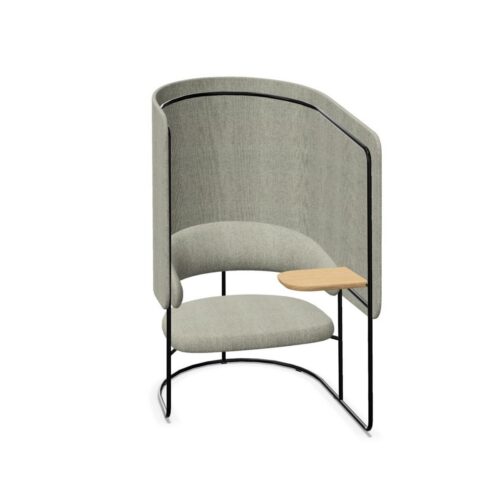
Gray Lounge Furniture With Metal Bases

lounge furniture with metal bases and grey upholstery provides a material and color combination that can support a coordinated workplace lounge. The gray upholstery establishes the seating palette, while the metal base introduces a separate material element whose appearance needs its own review. Metal does not establish a particular base color or surface appearance, and gray can relate differently to surrounding colors. Compare both parts together to understand the furniture’s role in the intended interior.

This combination is useful to consider where a lounge connects reception, meeting rooms and everyday work areas. Start with the colors already shared by those spaces, then assess whether the seating should continue that relationship or create a distinct pause within it. Look at the visible base outline, the upholstery tone and the background surfaces as one composition. A clear comparison brief will make those decisions more consistent across everyone involved in planning the room.

5 models
From €34.91 p/m
3 models
From €34.69 p/m
5 models
From €31.41 p/m
3 models
From €30.91 p/m
4 models
From €55.20 p/m
2 models
From €104.98 p/m
2 models
From €64.77 p/m
5 models
From €17.10 p/m
5 models
From €6.91 p/m
10 models
From €14.88 p/m
16 models
From €14.51 p/m
4 models
From €26.96 p/m
8 models
From €27.67 p/m
2 models
From €22.96 p/m

Comparing lounge furniture with metal bases and grey upholstery

Separate confirmed attributes from details that still need examination. The base material is metal and the upholstery color is gray; those facts alone do not establish the base color, its surface appearance or the upholstery composition. Review the actual furniture and supporting information before making further assumptions. For lounge furniture with metal bases and grey upholstery, a useful comparison begins with the relationship between the two visible elements. Consider how prominent the base appears beneath the upholstery and whether that relationship suits the level of visual emphasis intended for the lounge.

Give gray a specific place in the palette

Gray works as a meaningful part of a scheme when its relationship to adjacent colors is deliberate. Put the upholstery reference beside the main wall and floor references, then inspect the group under the intended lighting. Decide whether the upholstery should sit close to those surfaces in tone or stand apart from them. Avoid relying on a general label such as light or dark without making a direct comparison. If the lounge is visible from several rooms, assess the upholstery against the different backgrounds that people will actually see from those positions.

Connect adjoining workplace areas

A shared lounge often sits between spaces with different purposes. Map the principal routes through the area before arranging the furniture, then identify where a seating group can remain clearly defined beside those routes. Compare its appearance from reception, the corridor and the nearest work area. The same furniture may need to relate to each without repeating every surrounding detail. Choose a small set of visual relationships to carry through, such as a recurring gray tone or a similar degree of base visibility. This gives the transition an understandable design logic.

Build a focused comparison brief

Keep the assessment of lounge furniture with metal bases and grey upholstery centered on the intended room. Record the upholstery reference, the observed base appearance and the planned position of the furniture. Add the practical questions that matter for that location, including the appropriate care guidance and how the layout supports the expected activity. Ask everyone reviewing the scheme to use the same references. This avoids decisions based on unrelated images or different interpretations of gray. Revisit the arrangement as a complete scene before finalizing individual details, especially where several seating forms will share one area.

Frequently Asked Questions

Does metal identify the base color?

No. Metal is the selected material, while the color and surface appearance require separate confirmation. Use the actual base reference when coordinating it with nearby elements rather than assuming a particular visual effect.

Should gray upholstery match the floor?

It can sit close to the floor color or create a deliberate distinction. Compare samples together and choose the relationship that gives the seating an appropriate presence within the overall room composition.

How can several rooms share a consistent lounge scheme?

For lounge furniture with metal bases and grey upholstery, agree on the upholstery reference and visible base appearance first. Review them from each adjoining space, then retain the relationships that work across those viewpoints.

Explore related selections