

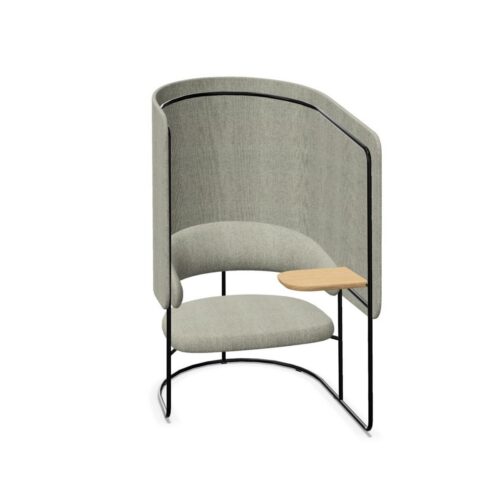

Grey Upholstered Sofas for Coordinated Lounges

Grey upholstered sofas provide a color starting point for workplace lounges where existing finishes and furniture need to work together. The useful comparison goes beyond the general color name. A gray tone can appear warmer or cooler beside surrounding colors, and its contrast with the floor and walls can change the prominence of the seating. Begin by identifying the elements that will remain in the room and the visual role the sofa should take.

When assessing grey upholstered sofas, compare the proposed upholstery against those fixed references under normal lighting. Consider whether the seating should connect separate areas or give one lounge group its own identity. Use the same color reference across the planning discussion, while reviewing each furniture position in context. This approach links the upholstery decision to the wider interior without assuming that every gray tone will coordinate equally well with the existing palette.

5 models
From €34.91 p/m
3 models
From €35.46 p/m
3 models
From €29.36 p/m
3 models
From €34.69 p/m
5 models
From €31.41 p/m
3 models
From €30.91 p/m
2 models
From €47.46 p/m
3 models
From €33.95 p/m
2 models
From €23.96 p/m
€47.46 p/m
2 models
From €51.94 p/m
2 models
From €27.88 p/m

Coordinating grey upholstered sofas with existing colors

List the colors that already shape the room, especially those that are difficult to change. Look at the floor, walls and adjoining furniture as one composition. Then assess the proposed upholstery beside those references rather than comparing it only with an isolated gray sample.

For grey upholstered sofas, the relationship between warm and cool tones is often a useful discussion point. Observe how the upholstery appears next to each major background. The goal is to understand the specific combination, not to label gray as universally compatible. Record the intended relationship so that later accent decisions follow the same direction.

Decide where color accents belong

A gray seating element can participate in a restrained palette or sit alongside more noticeable colors. Decide which parts of the room should carry the strongest visual emphasis. This helps prevent several unrelated accents from competing around the same seating group.

Compare grey upholstered sofas with the accent colors planned for neighboring furniture and surroundings. Assess the balance from the entrance and from seated positions. A color relationship that appears controlled in a small reference may have a different effect across the room. Keep the sofa placement established while testing those relationships, so that color and layout decisions do not continually displace one another.

Connect separate lounge zones consistently

If a workplace contains several lounge areas, decide what should link them. A common gray tone can provide a shared reference, while differences in orientation and surrounding colors can distinguish their purposes. Reception seating and an internal pause area do not need identical compositions.

Review each location under its own lighting. The same intended tone may appear different against another wall or beside a different floor. Use a consistent reference for the upholstery decision, then assess the local relationships separately. This gives the overall interior a coherent basis without assuming that one successful room arrangement can be repeated unchanged elsewhere in the workplace.

Check tonal separation and furniture placement

Grey upholstered sofas need a considered relationship with gray surroundings. Compare the visible outline against the floor and wall to see whether the seating reads clearly or becomes closely integrated with the background. Decide which effect suits the room rather than treating either as automatically preferable.

Then review the layout with the seating occupied. Trace the route from the entrance, the approach to each group and the path onward. Color coordination should support a usable arrangement, not become the sole reason for a furniture position. Resolve the circulation plan before finalizing smaller differences in tonal contrast around the sofa.

Frequently Asked Questions

Do all gray tones coordinate with one another?

Grey upholstered sofas can differ in their relationship with warm and cool surroundings. Compare the actual tones together under the intended lighting. A shared color family provides a starting point, but it does not establish an exact visual match.

Can the same gray connect reception and internal lounges?

Yes, a common color reference can connect separate spaces. Review it in each location, since lighting and neighboring colors affect its appearance. Let furniture orientation and the surrounding palette reflect the different activity planned for each area.

Should accent colors be selected before the sofa tone?

Begin with the fixed colors and any established interior requirements. Assess the sofa and accents together within that context, then record the agreed relationships. This avoids choosing a gray tone in isolation and expecting every later color to suit it.

Explore related selections