



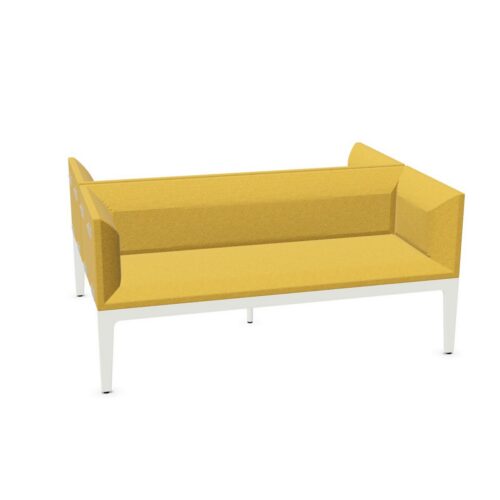


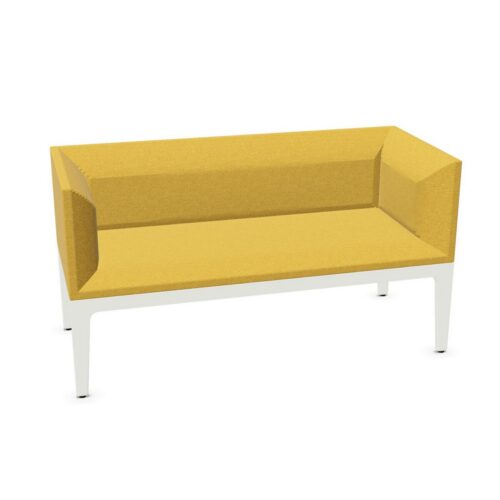


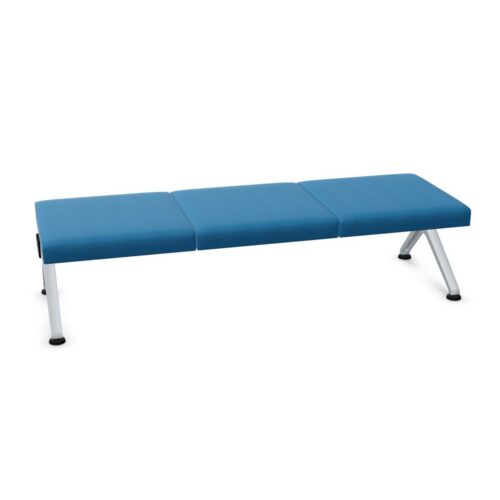
Defining lounge furniture with metal bases and silver upholstery
A silver seating scheme needs a clear relationship with its background. Start by comparing the actual upholstery shade with the surrounding floor and nearby surfaces. Decide whether the furniture should blend into that palette or establish a distinct seating area within it.
Then assess the metal base in the same view. Its color and treatment may reinforce the upholstery's tonal direction or introduce a separate visual element. Neither outcome follows from the material name, so confirm the appearance before building the wider room scheme around it.
Compare Tone Before Small Details
Look at the furniture from across the room. Assess whether the upholstered outline remains easy to distinguish and whether neighboring pieces appear as a coherent group. This broad review should come before close attention to minor design details that may be less apparent at normal viewing distances.
Review representative upholstery samples under the intended lighting where possible. A silver color description does not imply a reflective surface or a particular texture. Base your coordination on the actual appearance, especially where several nearby colors are close enough to require careful comparison.
Use the Base to Clarify the Composition
When comparing lounge furniture with metal bases and silver upholstery, examine how the base outlines relate to the upholstered forms. Consider their visibility, repetition, and appearance from different angles. The base can be a small detail or a substantial visual component depending on the individual piece.
Where different seating forms share one lounge, check those relationships across the whole group. A shared metal base material does not guarantee matching colors or treatments. Decide which details need to coordinate closely and where differences can remain part of an intentional composition.
