

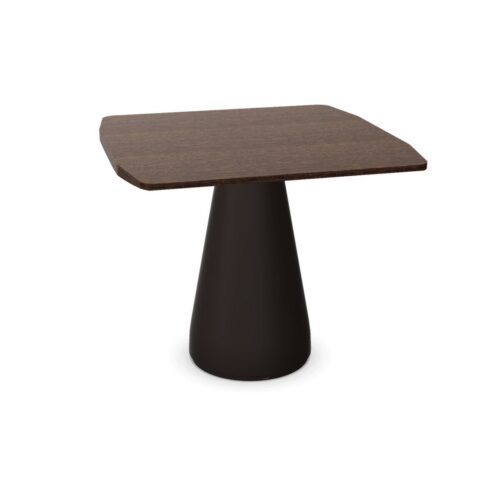

Column Frame Lounge Furniture

column frame lounge furniture places particular emphasis on the relationship between the upper form, the column support, and the base below. When planning a lounge, assess those elements as a complete outline. A column may be visually prominent from one viewpoint and less noticeable from another, depending on the surrounding furniture. Begin with the intended position of the piece, then examine how its support and base relate to the people and routes around it.

Comparing column frame lounge furniture requires more than looking at the column itself. The base outline, the support position, and the upper form all need individual attention. The frame term does not establish a particular base shape or any movement mechanism. Use the actual configuration to judge the proposed arrangement. In shared lounges and reception areas, this means checking seated views as well as the view on arrival, with equal attention to the spaces between neighboring pieces.

10 models
From €16.65 p/m
18 models
From €27.49 p/m
4 models
From €31.59 p/m
2 models
From €9.47 p/m
€7.61 p/m
€7.89 p/m
€5.97 p/m
3 models
From €2.38 p/m
2 models
From €31.65 p/m
2 models
From €11.99 p/m
€12.65 p/m
4 models
From €35.51 p/m
3 models
From €13.00 p/m
2 models
From €12.40 p/m

Positioning column frame lounge furniture

Start with the place the furniture should occupy in the room rather than assuming the column should mark the center of the seating group. Identify the intended relationship to nearby seats, shared surfaces, and circulation routes. Then locate the column and base within that arrangement. The upper form may suggest one visual center while the support establishes another point below it. Examine both before settling the position. This helps keep placement tied to the room's use and avoids making the support the only reference point when the whole piece needs to relate to its surroundings.

Give the base its own assessment

With column frame lounge furniture, the base deserves a separate review from the column above it. Establish its actual outline and how that outline sits within the surrounding space. Check likely foot positions and the approach from each neighboring seat. A narrow-looking support does not establish the area occupied at floor level. Review the base from the direction of arrival and from within the seating group, especially where it is less visible beneath the upper form. Keep the complete footprint in the room plan so that furniture placement reflects the actual configuration rather than the most noticeable vertical element.

Build the arrangement around shared relationships

A lounge group needs a clear relationship between the people using it and the furniture placed between or beside them. Establish those relationships before deciding whether the composition should be symmetrical. A column support can be considered within either a balanced or an offset arrangement, but the surrounding access still needs examination. Compare approaches from each intended position and consider how someone joins or leaves the group. Where several pieces share the same area, check how their bases relate at floor level. A coherent plan should account for these overlapping relationships as well as the view from above.

Separate frame identity from additional requirements

Compare column frame lounge furniture against the actual requirements of the room. Note the role of each piece, the orientation of its upper form, and the position of its base. If a project requires movement or adjustment, verify those features separately; the frame name does not establish them. Keep visual preference distinct from confirmed product characteristics. This allows the column form to guide the composition without carrying assumptions about how the furniture operates. Review the final arrangement from the entrance, the surrounding seats, and any route that passes close to the base before documenting the intended placement.

Frequently Asked Questions

Does a column frame mean the furniture swivels?

No. A column frame identifies a support type. Any swivel or adjustment requirement needs separate confirmation and should not be inferred from the visible presence of a column.

Should the column align with the center of the group?

Use the complete furniture outline and the intended seating relationships to decide placement. The support position is one reference point, alongside access routes and the arrangement of neighboring pieces.

What is easy to overlook when comparing this frame?

The floor-level outline can receive less attention than the vertical support. For column frame lounge furniture, compare the base with likely foot positions and nearby routes before confirming the layout.

Explore related selections