

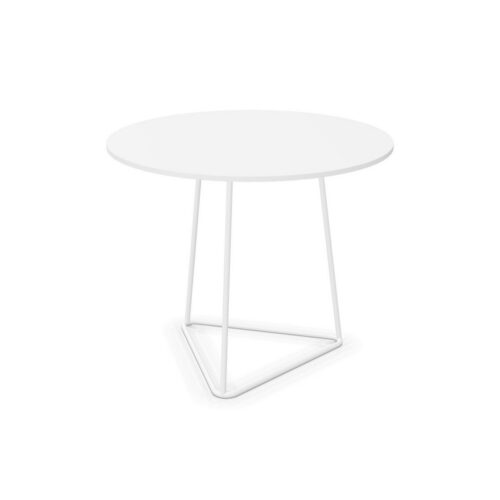
Continuous Leg Frame Lounge Furniture

continuous leg frame lounge furniture gives the connected frame a visible role in a lounge arrangement. Rather than assessing only the upper outline of a piece, consider how its frame appears beneath it and how that line relates to nearby furniture. This is useful in reception lounges, informal meeting areas, and shared waiting spaces where furniture is seen from several directions. The frame deserves attention both as part of the composition and as part of the footprint within the room.

When comparing continuous leg frame lounge furniture, begin with the role each piece will have in the seating group. Then trace the actual frame configuration and its contact with the floor. The frame description does not establish the material, exact outline, or relationship between connected sections. Review those details individually, paying particular attention to approaches, foot positions, and the route past the group. A clear arrangement should account for the whole piece rather than its most prominent surface.

€6.03 p/m
2 models
From €11.30 p/m
2 models
From €11.99 p/m
2 models
From €3.38 p/m
€8.51 p/m
€14.94 p/m
€17.83 p/m
16 models
From €11.73 p/m

Composing continuous leg frame lounge furniture

A connected frame creates a line that can be read alongside the other outlines in a lounge. Decide whether that line should follow the main direction of the seating group or introduce a deliberate change. Compare it with neighboring bases, seat fronts, and the edges of circulation areas. This is a question of composition rather than a requirement for every piece to match. Look for a clear relationship between the frames and the arrangement as a whole. Several distinct forms can work together when their placement follows an understandable room plan and each piece has a defined role.

Trace the complete frame at floor level

Review continuous leg frame lounge furniture from below its main visual outline. Establish where the connected sections run and where they meet the floor. A section visible from the entrance may have a different relationship to someone seated nearby. Check the likely positions of feet and the movement used to enter or leave the group. Keep these observations specific to the actual piece. The continuous-leg description alone does not establish a particular frame orientation or an unobstructed approach. Comparing the full footprint helps identify whether the intended placement suits the surrounding furniture and the routes through the room.

Let each lounge area establish its own direction

In an open interior, different seating groups may face different destinations. One may relate to reception, another to a corridor, and another to an informal meeting point. Establish that direction before arranging the frames within each group. A repeated frame line can support a consistent composition, but repeating the same orientation everywhere may disregard how the room is used. Examine the view between groups and the routes connecting them. Keep the relationship deliberate at transitions, particularly where two seating areas meet. The wider plan should explain why each piece faces its chosen direction and how people approach it.

Compare pieces by role and relationship

Assess continuous leg frame lounge furniture according to the task of the surrounding area. A piece forming part of a conversation group needs to be considered in relation to its neighbors and the shared space between them. A piece near an entrance also needs review from the arrival route. Record the intended role, orientation, frame outline, and neighboring furniture in your comparison notes. This keeps attention on relevant differences without treating a shared frame term as evidence that all pieces behave alike. Revisit the room plan whenever a change in orientation affects access or the relationship between adjacent groups.

Frequently Asked Questions

Does a continuous frame connect separate furniture pieces?

The term describes the frame of the individual piece. It does not establish that separate items connect or form a linked arrangement. Confirm any such requirement independently.

Must every continuous frame face the same direction?

No. Let the purpose and approach of each seating group guide orientation. Then assess the relationship between groups so that changes in direction remain deliberate within the room.

What belongs in a practical comparison?

For continuous leg frame lounge furniture, compare the actual connected outline, floor contact positions, intended approaches, and relationship to neighboring pieces. Review these together within the proposed arrangement before deciding on placement.

Explore related selections