



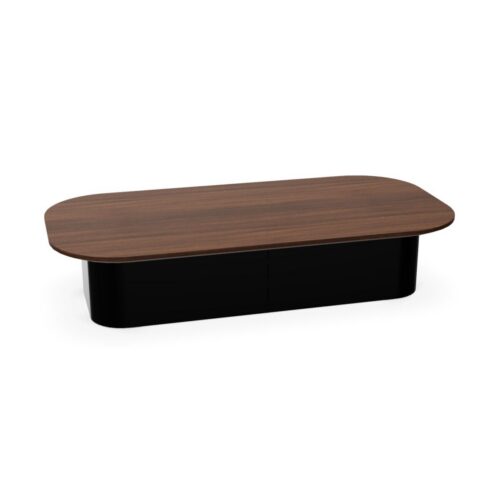
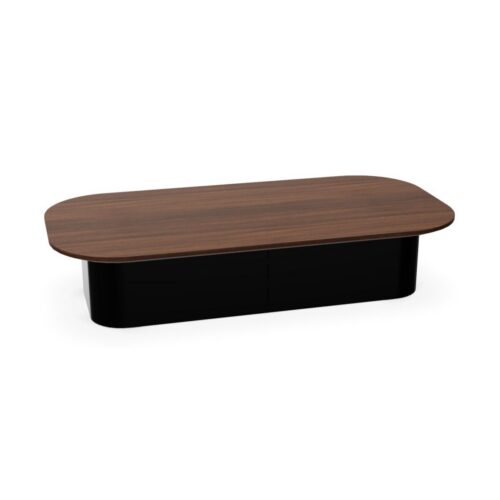


Introducing lounge furniture with oval tops and black surfaces
Reception seating is often seen before it is used. Consider the oval top from the main approach and identify the direction it gives the group. Its position should relate clearly to the seats rather than suggest a composition that only makes sense from one carefully chosen standing viewpoint.
Then move the assessment to seated positions. A good entrance view does not establish how conveniently the surface relates to each person. Identify the seats expected to share it and compare their relationship to the actual perimeter, including positions near the ends as well as those along the sides.
Choose an orientation around the visit
For lounge furniture with oval tops and black surfaces, placement should reflect the expected pattern of a visit. A group used for brief individual waiting has different sharing needs from one intended for conversation between colleagues or visitors. Decide how the tabletop participates before settling its orientation within the space.
Compare where people arrive, where they place personal items, and how they leave their seats. These movements can involve different sides of the group. Keep them distinct in the plan and assess the top alongside the actual seating positions, rather than treating the oval as an isolated decorative outline.
Make black part of the reception palette
A black surface can connect with other dark elements or form a concentrated contrast within a pale lounge. Establish which role suits the reception area. Consider whether attention should settle on the tabletop, on the seating group as a whole, or on another feature encountered from the entrance.
Assess the combination under the intended room lighting and against the colors immediately around it. The visible outline depends partly on those relationships. Confirm the actual finish separately, since color does not establish reflection, texture, or maintenance needs. Keep appearance judgments tied to the specific surface being considered.
