

Oval Coffee Tables

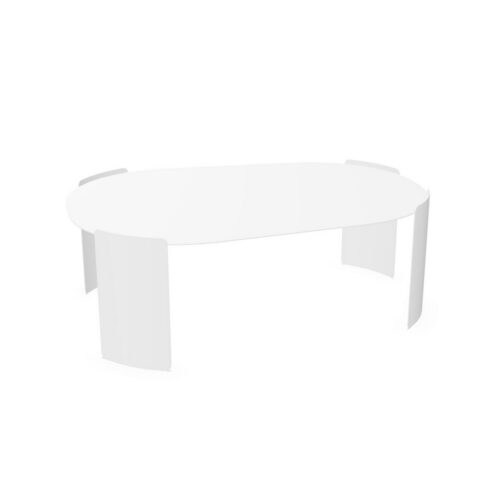
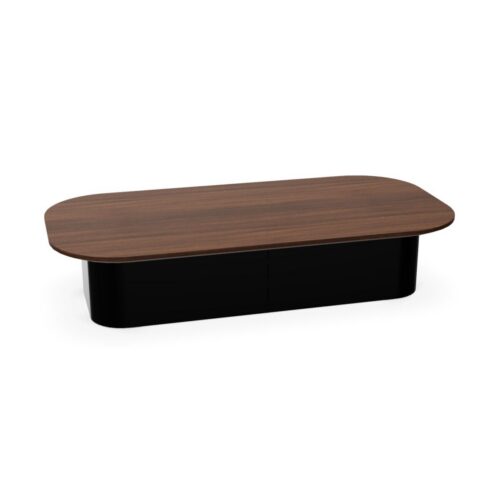
oval coffee tables combine a rounded tabletop outline with a directional form that can be considered alongside workplace seating groups. The planning opportunity lies in relating that outline to the people around it: those seated along the sides, those near the ends, and those approaching from elsewhere in the room. Treat the curve as part of the overall arrangement, while assessing the actual table form and supporting frame separately.

When comparing oval coffee tables, begin with the lounge’s expected pattern of use. A table shared by facing seats presents different placement questions from one positioned beside a single seating line. Consider which seats need a relationship to the surface and how the surrounding route remains distinct from the group. These practical decisions help establish orientation before attention moves to the table’s visual relationship with nearby furniture, floor patterns, and the broader reception or lounge setting.

4 models
From €31.59 p/m
€7.61 p/m
€7.89 p/m
2 models
From €38.54 p/m
3 models
From €13.00 p/m
2 models
From €12.40 p/m
3 models
From €99.55 p/m
7 models
From €17.65 p/m
3 models
From €3.34 p/m

Sharing oval coffee tables across a seating group

Define which seats are intended to share the table. In a group of facing seats, the surface needs to be assessed from both sides; beside a sofa, the relationship may be more directional. Include any separate chairs near the ends in the review. Consider where people would place a cup or reading material from each position. This turns an attractive overall arrangement into a more specific planning exercise, with the tabletop evaluated through its relationship to the actual seating rather than its position at the center of the room.

Compare the outline with the group's visual center

Oval coffee tables may relate to several seating positions without matching the outline of the group exactly. Decide whether the table should follow the main seating line or respond to the composition as a whole. Compare both possibilities from the entrance and from within the lounge. A visually centered table may need a different position once access from individual seats is reviewed. Keep those judgments connected, so the chosen placement reflects both the way the group looks and the relationship between people and the shared surface.

Review rounded ends alongside approach routes

When placing oval coffee tables, check the routes that pass around the ends as carefully as those along the sides. The rounded outline is a shape characteristic, rather than evidence that a particular route will work. Follow the approach to each seat, including the turn made before sitting down. Examine the complete frame beneath the surface and compare it with neighboring supports. This helps establish the table's actual place in the room, especially where the seating group sits beside a route connecting reception with other workplace areas.

Coordinate curves without repeating every form

Oval coffee tables can be considered within rooms that contain either curved or straight furniture outlines. The useful question is how the forms relate, rather than whether they match. Review the table alongside the largest neighboring shapes first, then consider smaller details. Repeating the oval elsewhere is optional; the table may have a distinct role within a more linear arrangement. Assess the actual outline from several viewpoints, and keep decisions about material, color, and frame separate because the selected tabletop shape does not establish any of those characteristics.

Frequently asked questions

Can an oval table relate to facing seats?

Assess the surface from both seating lines and from any chairs near the ends. Compare how each position relates to the tabletop, then check the routes into the group. The suitability of the arrangement depends on the complete table and seating plan.

Should the table be centered on the room or the seating?

Start with the seats intended to share it. Then review how that placement appears within the room. A room-centered position is only useful if it also creates the intended relationship to the seating and leaves the surrounding approaches clearly understood.

What distinguishes a useful comparison of oval forms?

Compare oval coffee tables by their actual tabletop outlines and complete supporting arrangements. Review the ends, sides, and relationship to every intended seat. The general shape name provides a starting point, while the specific form determines how each table participates in the lounge.

Explore related selections