

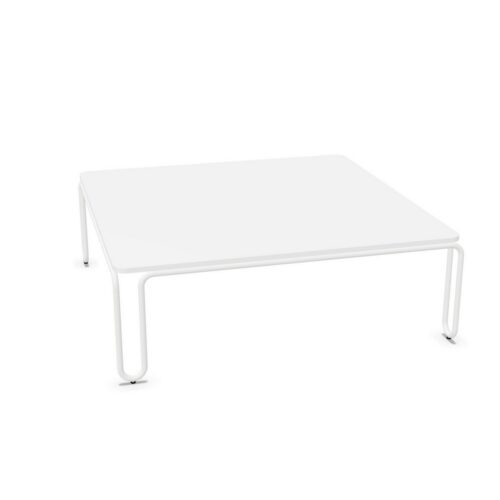
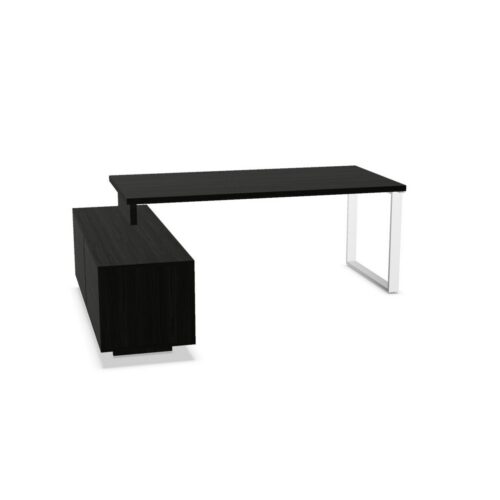
Black Surfaces for Lounge Furniture

Black surfaces for lounge furniture give planners a clear starting point for defining seating within a reception area, shared lounge, or informal meeting space. The key decision is how much visual emphasis the furniture should carry. Against a pale background, black creates a pronounced outline; beside other dark elements, the outline becomes less distinct. Consider the complete seating arrangement from the entrance and from adjoining circulation routes before deciding where that contrast belongs.

When assessing black surfaces for lounge furniture, look beyond an isolated color sample. A broad visible surface and a narrow detail contribute differently to the room, even when both are black. Establish which parts of the furniture carry the color, then compare their relationship with the floor, walls, and nearby seating. This makes it easier to create a deliberate composition that supports the intended use of the lounge without allowing dark areas to dominate every viewpoint.

3 models
From €19.33 p/m
18 models
From €27.49 p/m
6 models
From €28.06 p/m
2 models
From €9.47 p/m
2 models
From €9.33 p/m
€19.45 p/m
€19.65 p/m
€19.82 p/m
2 models
From €41.43 p/m
€44.69 p/m

Planning black surfaces for lounge furniture

Begin with the view that introduces the lounge. In an open reception area, a dark seating group may become a strong visual reference, particularly when the surrounding space is light. Decide whether that group should mark the waiting area, frame an informal conversation setting, or sit quietly beside a more prominent architectural feature. Review the arrangement from seated and standing positions. Furniture backs can occupy a substantial part of the view, so their color deserves the same attention as the surfaces facing into the group. Sketch the main sightlines before settling the final orientation.

Manage the amount of visible black

The effect of black surfaces for lounge furniture depends partly on how much of the color appears together. An uninterrupted dark grouping reads differently from black repeated across separated seating areas. Assess the visible color across the whole room, including existing dark floors, doors, and overhead elements. Where these already create a strong presence, a further dark area may need clearer separation from its background. Where the room is predominantly light, repetition can connect the lounge with another part of the workplace. Give each repetition a reason, such as identifying related spaces or continuing an established palette.

Keep furniture boundaries easy to read

Compare black surfaces for lounge furniture against the actual background at their intended position. A dark floor can reduce the distinction between the furniture outline and the surrounding area, while a lighter wall may make the upper outline more evident. Check these relationships along the approaches people will use. Keep circulation routes visually understandable through placement and separation, and review how the seating arrangement relates to doorways and adjoining work areas. Color is one part of that assessment. The furniture arrangement should communicate where people can enter the lounge and where the main route continues past it.

Review the composition under working light

Evaluate black surfaces for lounge furniture under the lighting conditions expected during normal occupancy. A sample viewed near a window may look different when moved deeper into the room. Compare it beside the intended background rather than against a temporary presentation surface. If the lounge remains in use after daylight fades, repeat the review with the usual interior lighting. Record the agreed appearance and the areas where black should be concentrated. This gives everyone involved a shared reference when discussing adjacent colors, the orientation of the seating, and the overall balance between dark and light areas.

Questions about planning with black

Should every seating group use the same amount of black?

Base the decision on the role of each area. Related groups can share a color while differing in visual emphasis. Compare their prominence from the main approach and decide whether equal treatment supports the room's organization.

How should black furniture relate to a dark floor?

Review the outline where the two meet. When considering black surfaces for lounge furniture, assess whether the surrounding colors and placement make the seating boundary sufficiently clear from the routes people normally follow.

What should a color review include?

Include the intended lighting, neighboring colors, the extent of each visible surface, and views of the furniture from behind. These observations provide a more useful basis for agreement than a sample considered on its own.

Explore related selections