

Lounge Furniture With Rectangular Tops and Steel Bases

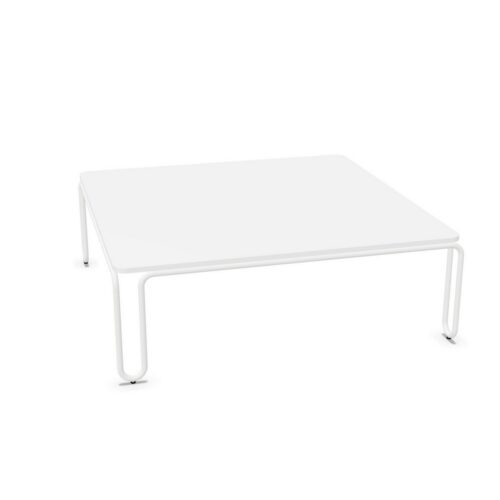
Lounge furniture with rectangular tops and steel bases provides a clear directional reference for a seating group. The rectangular surface has long and short edges that can relate directly to a sofa, opposing seats, and the boundary of the lounge area. This combination merits particular attention where the arrangement depends on parallel lines and an obvious relationship between the table and the principal seating.

Compare lounge furniture with rectangular tops and steel bases by deciding which edge should serve which seats. A position parallel to the sofa may be a useful starting point, but the end seats and surrounding routes still require review. Examine the steel base independently: its material does not establish its configuration, finish, or color, and the top material remains unspecified. The strongest plan accounts for the complete top perimeter and the support below rather than treating the rectangle as the whole occupied outline.

10 models
From €16.65 p/m
18 models
From €27.49 p/m
€19.45 p/m
2 models
From €19.09 p/m
5 models
From €12.21 p/m
4 models
From €6.14 p/m
3 models
From €2.38 p/m
4 models
From €35.51 p/m
5 models
From €45.63 p/m
€14.55 p/m
2 models
From €41.76 p/m
4 models
From €23.58 p/m
2 models
From €27.04 p/m

Aligning Lounge Furniture With Rectangular Tops and Steel Bases

Establish whether the table primarily serves a sofa or connects two facing groups of seats. In the first arrangement, the long edge can follow the sofa as an initial planning reference. In the second, compare the relationship to both sides before setting the position. Avoid letting the room’s geometric center determine the answer automatically. A table belongs in relation to the seats it serves. Review the rectangle from the entrance as well as overhead, checking whether its direction reinforces the lounge arrangement and whether the short ends remain clearly within the intended seating zone.

Treat the Short Ends as Active Boundaries

The short ends deserve the same planning attention as the long edges. They may face an approach route, an additional chair, or the edge of a neighboring group. Review the corners at both ends and check how people move past them. A rectangle that aligns neatly with a sofa can still create an unclear turn into the seating area. Consider every intended approach, including the route used when someone leaves an occupied seat. Keep passing circulation outside the group where the room plan allows, and avoid relying on a single overhead view to settle placement.

Assess the Base Along the Seating Line

With lounge furniture with rectangular tops and steel bases, compare the support with the actual seating positions along each edge. Do not assume that steel means a particular leg pattern or that the base follows the rectangle. Review its outline beneath the top and note where it appears between the seats. Its visual contribution may differ from one side to the other. Material and appearance remain separate questions: the steel base does not establish a finish, color, or top material. Judge the complete relationship using the actual furniture form and the planned seating arrangement.

Keep Parallel Arrangements From Becoming Rigid

Clear alignment can organize a lounge, but each seat still needs a deliberate relationship to the table. Compare the central sofa positions, the outer positions, and any chairs facing the short ends. For lounge furniture with rectangular tops and steel bases, these checks help determine whether the chosen orientation serves the intended group. If a seat feels disconnected, adjust the overall arrangement before adding more alignment rules. Review the result from seated viewpoints and along the main walkway. The table should reinforce the lounge composition while leaving the entrance into it easy to recognize.

Frequently Asked Questions

Should the long edge always face a sofa?

It is a useful starting point when the sofa is the main seating. Compare the other intended seats and both end approaches before deciding on the final orientation.

Can chairs sit at the short ends?

Assess each end position separately. Check its relationship to the surface, the base below, and the circulation route rather than assuming that every side should have a seat.

Does the rectangular top establish the base outline?

No. The selected shape applies to the top. Review the steel support independently, including its configuration and how it relates to the surrounding seating and approach routes.

Explore related selections