



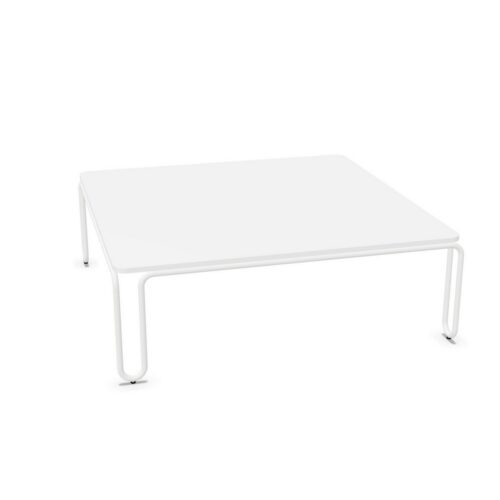


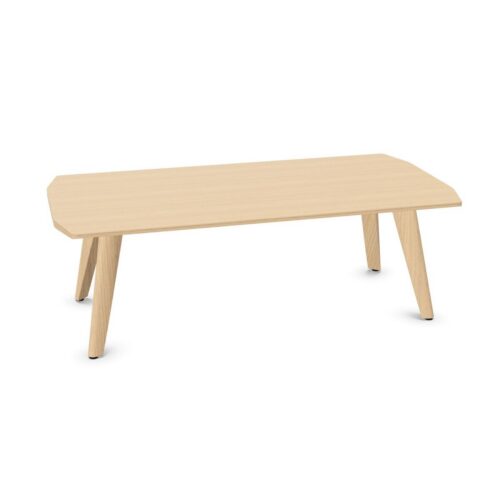






Aligning rectangular coffee tables with lounge seating
Use the main seating line as the first reference for orientation. Compare the tabletop sides with the sofa or other principal seats, then assess the remaining positions around the group. Parallel alignment can establish a clear relationship, but it should still be reviewed against access to the surface and routes into the seating. Consider the room plan and the view from the entrance together. This prevents a tidy arrangement on paper from becoming the only basis for placement, especially where the lounge serves people arriving from several different directions.
Give tabletop corners a clear place
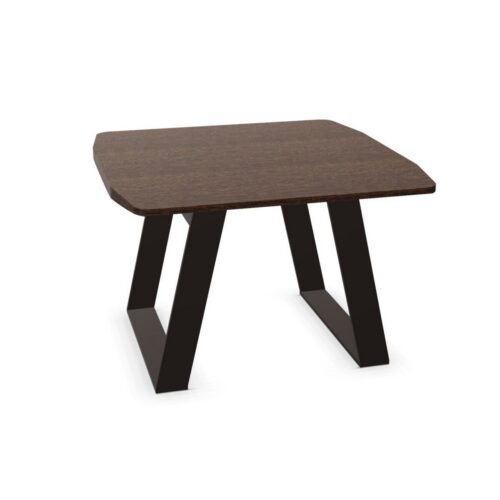
Rectangular coffee tables introduce corners that need deliberate positioning within the seating plan. Identify where each corner sits in relation to neighboring seats, the approach to the group, and the route past it. Review these points from a seated view as well as from above. Avoid judging the table solely by its relationship to a wall or sofa line. The way people turn toward a seat and stand to leave is equally relevant. Examine the frame beneath the top too, since its outline may create a different relationship to the floor.
