



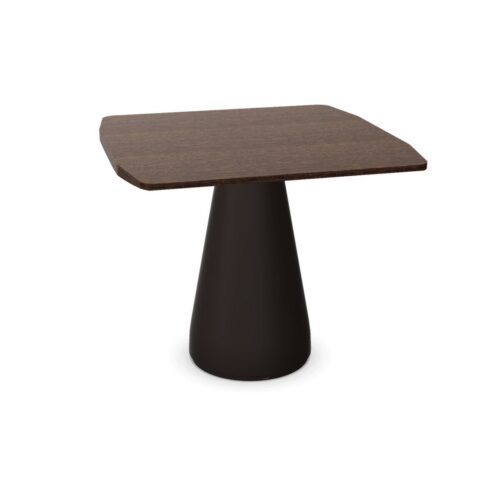


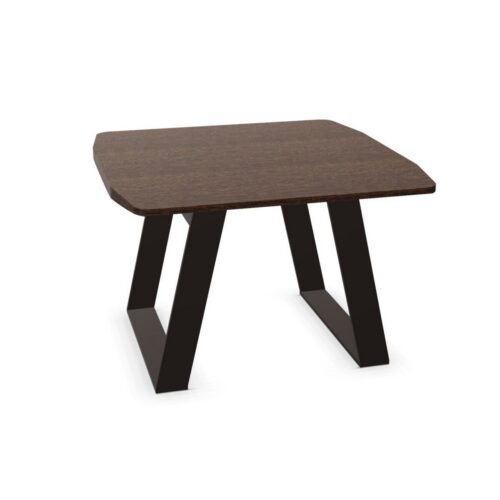


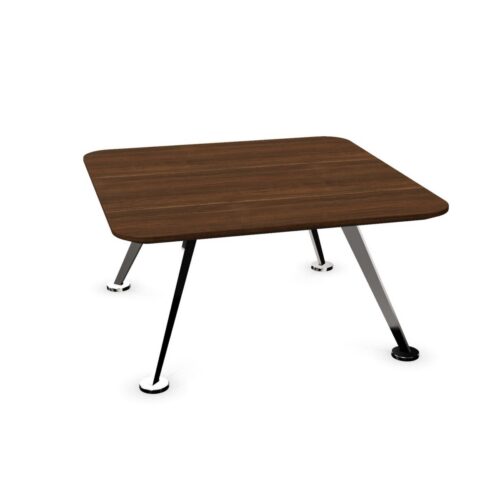
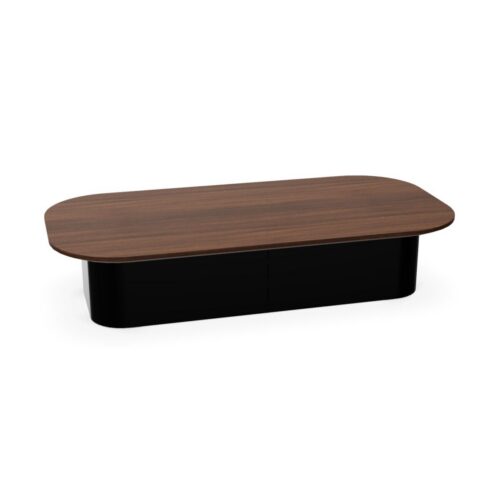

Arranging lounge furniture with rectangular tops and metal bases
Choose the table's orientation by examining the relationships within the seating group. A rectangular top can follow the front of a sofa, sit between facing seats, or relate to another line in the room. Compare these arrangements against the intended activity and approach routes. Review the end positions as carefully as the sides, since they may face a route into the group or an adjoining seat. Use the actual top outline when testing the plan. A neat alignment from one viewpoint needs to remain coherent when seen from the other approaches.
Check corners where routes change direction
Mark the points where people turn toward seats or pass around the table. Compare each of those routes with the rectangular outline, including the corners nearest the approach. Do not assess the arrangement only from a centered view facing the sofa. Include movement from adjoining rooms and routes behind neighboring seats. If a corner sits near a change in direction, review the table position within the whole group before adjusting individual pieces. The aim is a layout whose geometry follows the way people enter, use, and leave the seating area.
Relate the base footprint to the top
For lounge furniture with rectangular tops and metal bases, confirm where the base sits beneath the tabletop and how far its actual outline extends. Metal identifies the base material without establishing its geometry, finish, or support arrangement. Assess the complete form from seated positions and from the main route through the room. Include both the top and base footprints in the planning review. If several tables are intended, compare their complete forms rather than assuming that matching top shapes create the same relationship with the seating or with surrounding circulation.
