

Lounge Furniture With Round Tops and Grey Bases

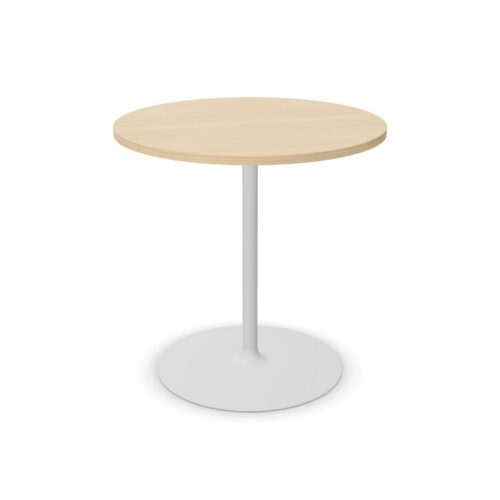
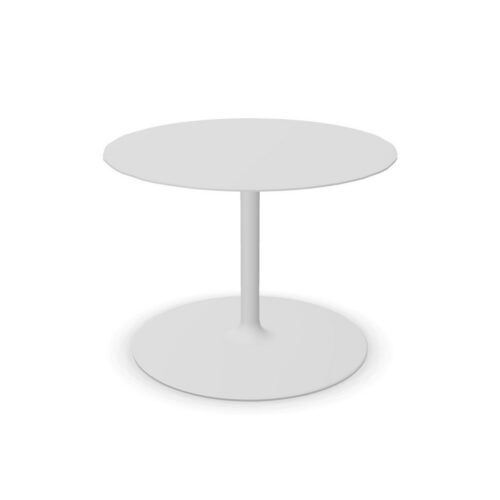
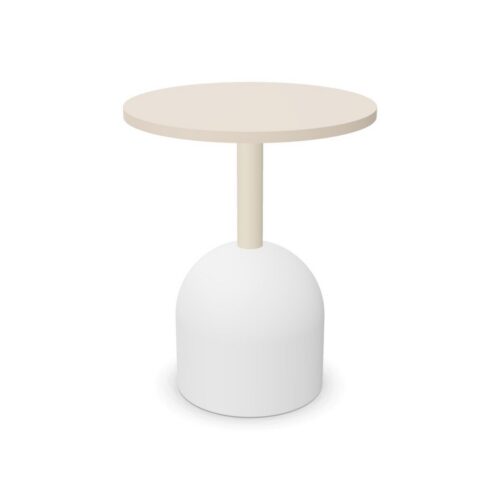
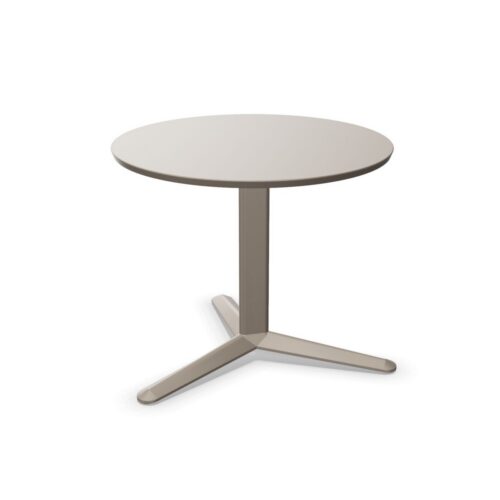
lounge furniture with round tops and grey bases provides a circular tabletop reference for a lounge group arranged around a shared center. The round outline has no long side to establish the seating direction, so the surrounding seats play a larger role in defining the composition. The grey base adds a color relationship beneath the top. Begin with the intended conversation group, then decide where the table belongs within it.

A central appearance does not automatically establish an equally useful relationship with every seat. Compare the table with occupied seating positions, particularly when some seats sit farther back or approach the group from a different direction. Assess the grey base against the floor and adjacent colors at the same time. The selected combination describes the top shape and base color; it leaves the tabletop color, material and other details as separate considerations.

3 models
From €19.33 p/m
10 models
From €16.65 p/m
3 models
From €125.11 p/m
2 models
From €9.47 p/m
€7.61 p/m
€7.89 p/m
€22.84 p/m
€12.65 p/m
4 models
From €35.51 p/m
2 models
From €1.68 p/m
€19.70 p/m
2 models
From €15.15 p/m
10 models
From €6.52 p/m

Centering lounge furniture with round tops and grey bases

Define what center means in the proposed arrangement. It may be the visual center of the seating group, the point shared by its occupied positions or a location chosen to preserve the route beside it. These points may not coincide. Place the round outline in each plausible position and compare the resulting relationship to the seats. Use the whole group as the reference rather than centering the table on one prominent item. If the arrangement is intentionally uneven, the table can still have a clear role, provided its placement reflects the people and activities associated with that setting.

Let seating establish the direction

With lounge furniture with round tops and grey bases, direction comes primarily from the surrounding arrangement. Seats facing one another create a different setting from seats turned toward a shared external view. Decide which relationship the lounge is meant to support before locating the table. Then examine how people enter the group and where they place everyday items. A circular top does not remove the need to make those choices. Avoid adding seats simply to complete a visual ring. Each position should belong to the intended use of the area and retain a clear relationship with the shared surface.

Consider the base from changing viewpoints

Assess lounge furniture with round tops and grey bases from several positions around the group. The tabletop keeps its circular plan outline, but the base may present different views as people move through the room. Check its actual outline rather than assuming it shares the top's shape. The grey color should also be compared against the different backgrounds visible from those positions. It may relate closely to one part of the interior while standing apart from another. Decide whether that variation supports the composition, and keep assumptions about finish or material separate from the selected base color.

Use repetition carefully across the lounge

If lounge furniture with round tops and grey bases appears in more than one group, establish what those groups should share. Repeated shape and base color may provide a common reference, while the seating arrangement responds to each location. Compare the spaces between groups as well as the groups themselves. Several circular outlines can look orderly in a plan yet leave the route between them unresolved. Keep the walking pattern visible throughout the review. Finally, check each table with the objects expected during use and again with a clear top, so the arrangement has a coherent appearance in both situations.

Frequently asked questions

Does a round top require seats on every side?

No. The seating should follow the purpose of the lounge group. A round table can relate to an incomplete circle of seats, provided the placement clearly identifies which positions it serves and preserves the intended approach.

Should the table sit at the exact visual center?

Use that position as a comparison, then check the occupied seats and nearby route. The most useful location may differ from the visual center, especially where the seating arrangement is deliberately uneven or open on one side.

Does the round top imply a round grey base?

No. Lounge furniture with round tops and grey bases specifies the tabletop shape and base color separately. Check the base outline in its own right when considering the view beneath the top and its relationship to nearby seating.

Explore related selections