

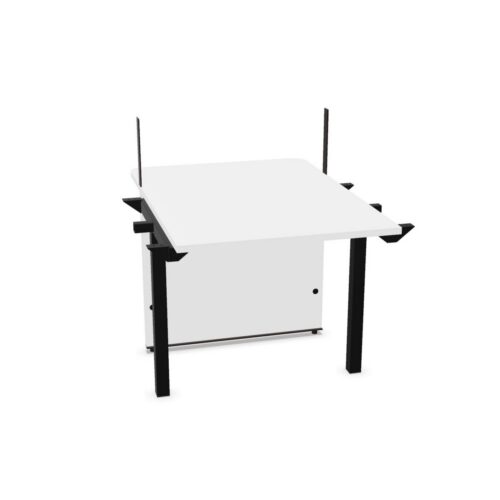
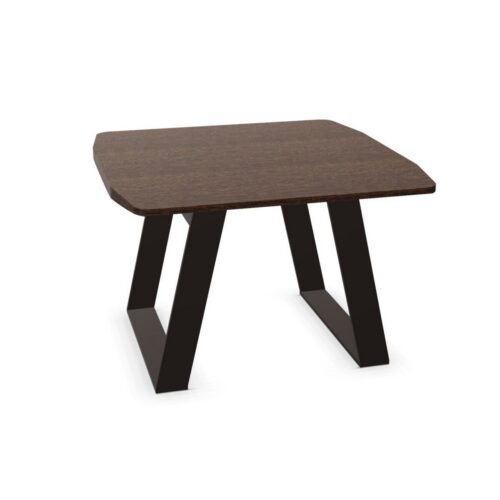
Lounge Furniture With Rectangular Tops and Grey Bases

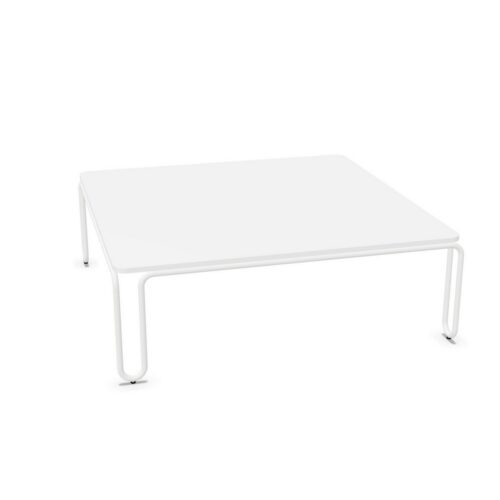
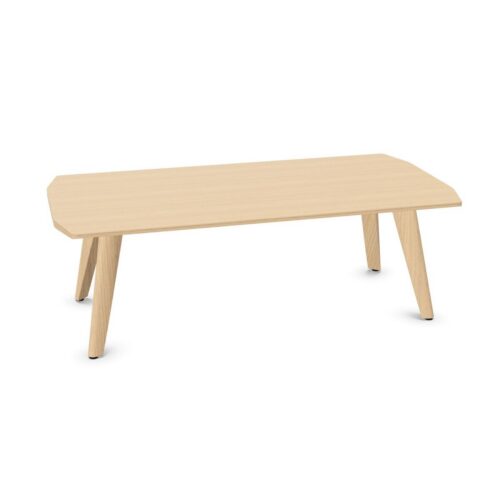
lounge furniture with rectangular tops and grey bases offers a clear geometric reference for lounge arrangements organized around a main seating line. The rectangular outline gives the table a distinct direction, while the grey base introduces a color decision beneath it. Begin by determining which seats the surface serves and how its edges relate to those positions. This provides a practical basis for comparing placement before considering the wider room composition.

In a reception seating area or informal discussion setting, a rectangular table can be assessed alongside the repeated lines of the surrounding furniture. Those lines do not all need to align, but their relationships should be deliberate. Consider the grey base against the floor and nearby colors without assuming a matching tabletop. Review both long-side and end views, since each reveals a different relationship between the top, its base and the people around it.

10 models
From €16.65 p/m
€19.45 p/m
3 models
From €2.38 p/m
2 models
From €25.77 p/m
2 models
From €11.99 p/m
4 models
From €35.51 p/m
3 models
From €18.78 p/m
5 models
From €45.63 p/m
4 models
From €23.58 p/m
2 models
From €27.04 p/m
3 models
From €4.00 p/m
2 models
From €12.32 p/m
3 models
From €9.37 p/m
2 models
From €1.68 p/m
3 models
From €9.37 p/m

Aligning lounge furniture with rectangular tops and grey bases

Identify the dominant direction within the seating group before placing the table. The rectangle may follow that line, or it may sit across it where a different relationship serves the group more clearly. Compare these options with occupied seats marked on the plan. Look at the table's ends as well as its longer edges, especially when an end faces another seat or a route through the lounge. A tidy alignment on paper is only one part of the decision. The chosen position should also explain who uses the table and how it belongs to that particular arrangement.

Distinguish shared space from individual placement

For lounge furniture with rectangular tops and grey bases, consider how the surface will be used during an ordinary conversation or informal discussion. Mark likely positions for drinks, papers and personal items in relation to the seats. A rectangular outline can be divided visually in several ways, but those divisions should follow actual use rather than an arbitrary styling arrangement. Check whether an item placed for one seat would occupy the area naturally associated with another. This exercise helps clarify the table's role without assuming any additional features. Review the same setting with the surface clear to confirm its underlying balance.

Choose which lines should repeat

Use lounge furniture with rectangular tops and grey bases to establish a considered relationship with nearby edges. Those may include seating fronts, the room perimeter or the boundary between adjacent lounge groups. Choose the most relevant reference instead of trying to align the table with everything at once. An intentional change in direction can distinguish one setting, provided the surrounding route remains clear in the plan. Look from the entrance to see whether the arrangement reads as a coherent group. Then return to the seated view, where the tabletop's relationship to the people around it becomes the more immediate consideration.

Evaluate the grey base in context

When comparing lounge furniture with rectangular tops and grey bases, examine the color below the tabletop as carefully as the outline above it. Grey may connect with another element in the room, but the connection should be checked against the actual surrounding colors. The floor forms an important background in many views, while adjacent seating may dominate others. Review both relationships under the intended lighting. Keep the selected color separate from assumptions about material or finish. Finally, assess whether the base contributes to the visual order you want across the lounge or introduces a contrast that needs a clearer role.

Frequently asked questions

Must a rectangular top run parallel to the seating?

No. Parallel placement is one useful option, but the intended users and nearby routes should guide the decision. Compare the relationship at both ends before choosing the orientation that gives the table the clearest role.

What deserves attention near the tabletop corners?

Review where people pass, turn toward a seat and leave the group. Include the actual tabletop outline in that assessment. Keep object placement separate from circulation planning so everyday use does not obscure the route around the arrangement.

How should I compare this combination across several lounge groups?

Assess lounge furniture with rectangular tops and grey bases through consistent principles: seating alignment, a defined tabletop role and an intentional grey color relationship. Individual groups can follow those principles while responding to different room positions.

Explore related selections