

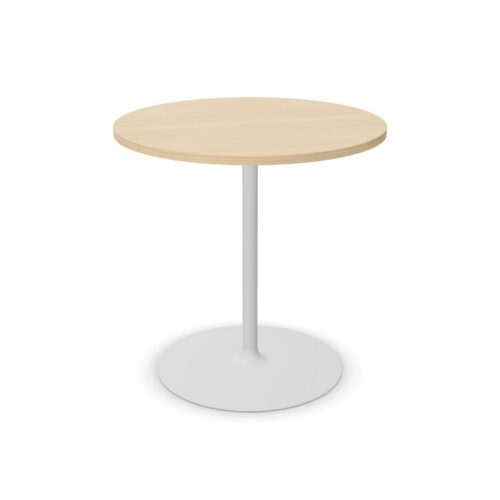
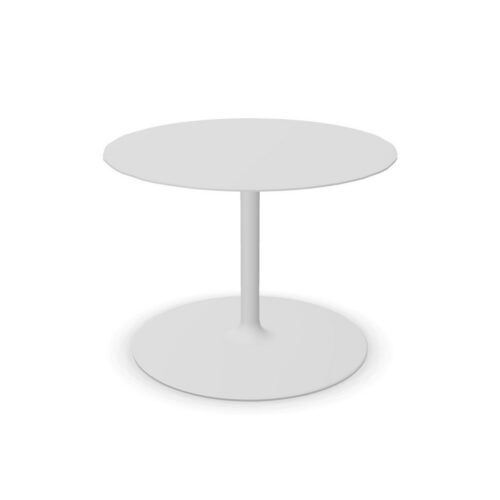
Lounge Furniture With Round Tops and Silver Bases

lounge furniture with round tops and silver bases creates a circular reference within a workplace seating group, paired with a silver accent below the surface. The round outline has no single long edge to dictate orientation, so the surrounding seats and room routes become especially important in establishing the arrangement. The base color can connect with other interior elements, provided its actual appearance and visibility suit the setting.

Start by locating the shared center of the seating group rather than automatically centering the top within the room. Check how each seat relates to the circular edge and where people enter the arrangement. Then review the base from the main approach and from seated viewpoints. This combination benefits from a plan that considers the entire perimeter, including the parts nearest adjacent routes and the spaces between the seats.

3 models
From €125.11 p/m
2 models
From €7.46 p/m
€22.84 p/m
€12.65 p/m
2 models
From €19.27 p/m
€5.35 p/m
2 models
From €1.68 p/m
3 models
From €5.35 p/m
12 models
From €9.73 p/m

Centering Lounge Furniture With Round Tops and Silver Bases

The useful center of a lounge group may differ from the geometric center of the available floor area. Locate the seats first, considering where people face and how they enter the setting. Place the round top in relation to those positions, then assess whether each seat has an appropriate relationship with its edge. Avoid forcing equal spacing simply to achieve a symmetrical plan. A round top can belong within an uneven arrangement, but its position should have a clear explanation based on the seating and the routes that connect the group with the room.

Review the Entire Circular Perimeter

A circular edge still requires space around it. Check the approach from every relevant direction, especially where people pass between a seat and the top. Lounge furniture with round tops and silver bases should be reviewed with adjacent furniture in place, since the route depends on the whole arrangement. Pay attention to the narrowest part of each passage rather than assuming the curve resolves circulation automatically. Include the route used by someone joining an occupied group. This often reveals a different requirement from the view of an empty lounge seen from the entrance.

Balance the Base With Surrounding Colors

Silver beneath a round top can be visually secondary or more noticeable, depending on the actual base and the room palette. Decide its intended role before coordinating nearby details. When comparing lounge furniture with round tops and silver bases, examine the visible base from several seats as well as from across the room. A shared silver color does not establish a shared material, tone, or finish. Compare what is actually visible, and avoid relying on an exact match where a broader color relationship would be sufficient to give the setting a coherent appearance.

Relate the Circle to Neighboring Groups

Consider how the round outline sits beside other seating areas and the room's straight architectural lines. There is no need to repeat circles throughout the interior, but the chosen position should connect with the wider layout. Review whether the tabletop appears centered on the seating conversation or on an unrelated room feature. Compare the visible top area with the surrounding seats, then check where the base sits beneath it. Keep these observations separate from assumptions about support construction or other product characteristics. The selected shape and base color alone cannot establish those details for you.

Frequently Asked Questions

Does a round top need equally spaced seating?

No. Uneven spacing can suit the room, provided each seat has a considered relationship with the top. For lounge furniture with round tops and silver bases, use the seating pattern to establish the center.

Can a circular outline replace circulation planning?

No. Review the actual passages between the top, seats, and neighboring furniture. Check where people enter an occupied group, since a rounded perimeter does not by itself establish a clear route.

Where should the silver color be assessed?

Look from the main approach, from seated positions, and across the wider room. These views show whether the base provides the intended color connection and whether surrounding furniture obscures it.

Explore related selections