

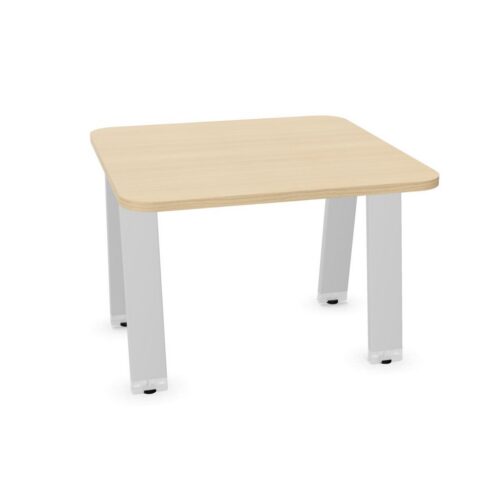
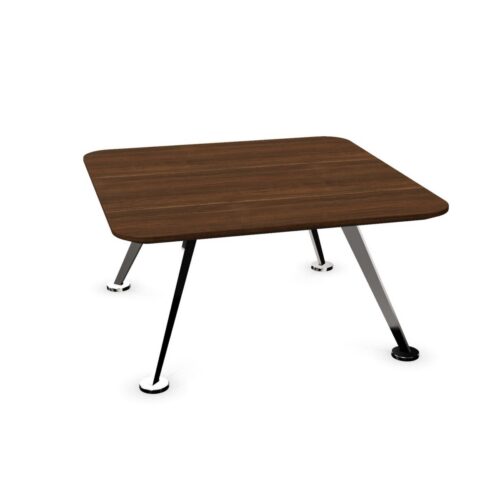
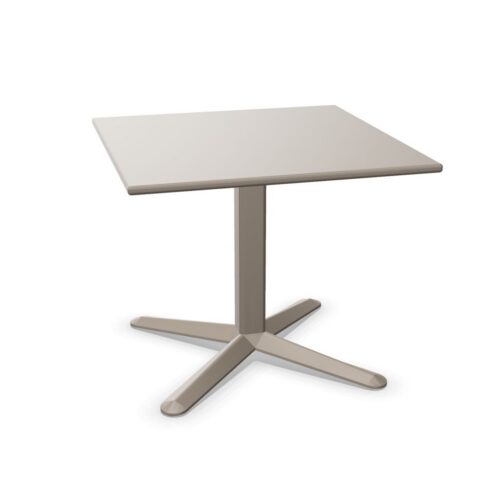
Lounge Furniture With Square Tops and Silver Bases

lounge furniture with square tops and silver bases pairs an equal-sided tabletop outline with a silver color reference below. This combination gives workplace lounge planning a clear geometric starting point, particularly where seating groups need to relate to a consistent room grid. The square edges can guide alignment, while the silver base can connect visually with other elements without determining the top’s color, material, or finish.

Consider the seating group as a defined area within the larger room. Decide which square edge should face the main approach, how the corners relate to passing routes, and whether the base color should be prominent or secondary. Compare the combination from both standing and seated positions. A square outline may look orderly from above, but the everyday relationship between seats, top, base, and circulation is what makes the arrangement appropriate to its setting.

€6.38 p/m
2 models
From €19.27 p/m
€4.57 p/m
3 models
From €9.37 p/m
2 models
From €7.63 p/m
€22.10 p/m
10 models
From €6.52 p/m
7 models
From €5.17 p/m
9 models
From €7.11 p/m
2 models
From €8.28 p/m
2 models
From €8.55 p/m
3 models
From €21.18 p/m
2 models
From €3.38 p/m

Ordering Lounge Furniture With Square Tops and Silver Bases

Use the square outline to establish a clear relationship with the seats, then test that relationship against the room. Parallel edges may support a consistent layout, particularly where several lounge areas share an architectural axis. However, a repeated alignment should not override the approach to individual seats. Mark the corners and trace the routes around them. Check whether someone entering the group would approach an edge or a corner, and adjust the orientation when necessary. The square form gives you a useful planning reference, but the surrounding arrangement determines whether that reference works in practice.

Compare Symmetry With Actual Use

A square top can suggest a balanced composition without requiring identical seating positions on every side. Establish which seats are central to the setting and which relate to nearby activity. Lounge furniture with square tops and silver bases should be assessed against that intended use, rather than against an abstract symmetrical diagram. Review the top's relationship with each seat and consider how people join or leave the group. An unoccupied side may provide the clearest approach. Leaving that relationship visible can be more useful than surrounding every edge simply to complete a visual pattern.

Make Silver Part of a Consistent Palette

Consider silver alongside the colors visible near the floor and beneath neighboring furniture. This is where the base is likely to be read as part of the wider composition. With lounge furniture with square tops and silver bases, assess whether the color acts as a quiet recurring detail or a distinct contrast. Compare actual appearances instead of assuming that all silver elements match. The description identifies color, not material or finish. A considered relationship can allow differences in tone while still giving the room a coherent visual structure across separate seating areas.

Review Repetition Across the Room

If square outlines recur in the lounge, check how their alignments appear together from the main entrance. Repetition can establish a design language, but each group still needs to respond to its own surroundings. Review corners near doors, transitions between seating and walking areas, and the visible relationship between tops and bases. Avoid making the arrangement depend entirely on an empty room view. Occupied seats may conceal parts of the silver base or alter the apparent balance of the group. Compare these everyday views before deciding how strongly the combination should define the room's appearance.

Frequently Asked Questions

Should every side of the square have seating?

No. An open side may provide the clearest approach. When planning lounge furniture with square tops and silver bases, relate each edge to the intended seating pattern and leave circulation as a deliberate part of the arrangement.

Is a rotated square suitable for a lounge?

It can be considered where it follows the seating orientation. Check the resulting corner positions carefully, especially near routes, because rotation changes the relationship between the outline and the surrounding space.

How can silver connect separate seating areas?

It can act as a recurring color reference if the actual appearances work together. Compare the bases within their respective surroundings, since different seating arrangements may reveal different amounts of silver.

Explore related selections