

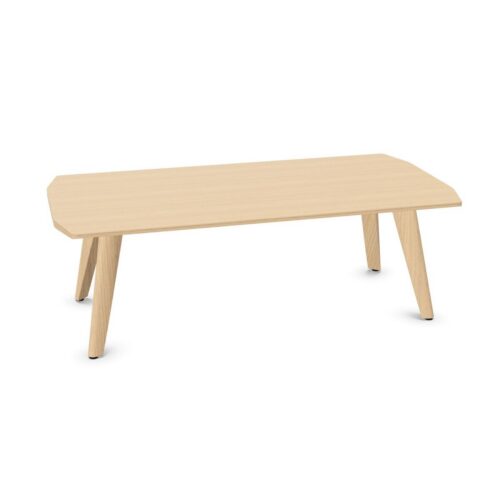
Lounge Furniture With Rounded Both Sides Tops and Red Surfaces

Lounge furniture with rounded both sides tops and red surfaces brings a tabletop with two rounded sides into a clearly defined color scheme. The combination needs careful orientation within a seating group, especially where the table sits between different approaches or relates to opposing seats. Begin by identifying which rounded side addresses each part of the arrangement, then consider how the red surface will appear from those positions.

Red and curvature should be evaluated as a single composition. Turning the table can change the way its rounded sides relate to the seats and how much of the surface is apparent from the main entrance. Review the complete outline rather than assuming that two rounded sides describe the rest of the top. A practical brief should explain the preferred orientation, the routes around the group, and whether red is intended as a shared room accent or a focus within this particular setting.

2 models
From €25.77 p/m
4 models
From €35.51 p/m
€8.41 p/m
2 models
From €4.67 p/m

Orienting lounge furniture with rounded both sides tops and red surfaces

Identify both rounded sides on the room plan before considering placement. Compare an arrangement in which they relate to the principal seats with one in which they face the open approaches to the group. Examine the remaining outline at the same time, because the shape description does not establish every edge or proportion. Review the table from each seat and from outside the arrangement. The preferred orientation should have a clear reason that remains understandable from these different viewpoints. Avoid allowing the entrance view alone to determine a position that has not been assessed from within the seating group.

Review the two approaches independently

For lounge furniture with rounded both sides tops and red surfaces, do not assume that the space beside each rounded side behaves identically. One side may face a sofa while the other addresses a route through the room. Trace the approach to every seat and the movement past both sides of the top. Include occupied seating and adjacent furniture in the review. Rounded outlines do not by themselves establish suitable passage. Where the conditions differ across the group, assess them separately before deciding whether a visually balanced arrangement also provides an appropriate relationship with the surrounding room.

Make the red surface part of the composition

Decide where the red should be noticed and what it should relate to. Lounge furniture with rounded both sides tops and red surfaces can be reviewed as an accent within one group or as part of a wider color pattern. Compare the surface with the colors behind it from the main approach, then look again from the seats. These views may present different relationships even though the surface remains unchanged. Assess the actual red under the room's lighting. If other red elements are present, determine whether a close correspondence or a deliberate variation better supports the intended scheme.

Keep orientation and color in the same brief

When comparing lounge furniture with rounded both sides tops and red surfaces, record the preferred placement and color relationship together. Show which rounded side faces the principal seating and which faces circulation or another part of the group. Note the viewpoints used to assess the red accent. Then test the arrangement during a complete movement review, including arrival, sitting, and departure. If the tabletop is repositioned, revisit the color composition as well as access. A change that resolves one route can also alter the table's visual emphasis, so the two decisions should remain connected throughout the planning process.

Frequently asked questions

Do both rounded sides need the same surrounding space?

No. Their relationship with the room depends on nearby seats and routes. Assess each side according to what happens beside it, then review the complete arrangement to ensure the differing conditions have been addressed deliberately.

Does this shape description establish the entire outline?

No. It identifies rounded sides but does not provide every detail needed for placement. Review the complete tabletop form before deciding how it relates to seats, approach routes, and neighboring furniture within the proposed lounge setting.

Should color be reviewed again after the table is turned?

Yes. A different orientation can change the view of the red surface from entrances and seats. Reassess its relationship with the surrounding colors alongside the practical effect of the new position on access and circulation.

Explore related selections