

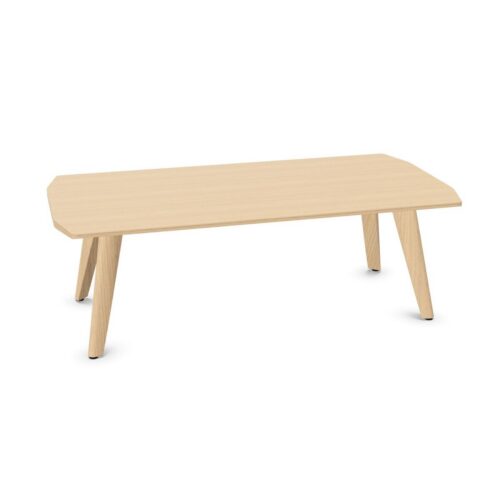
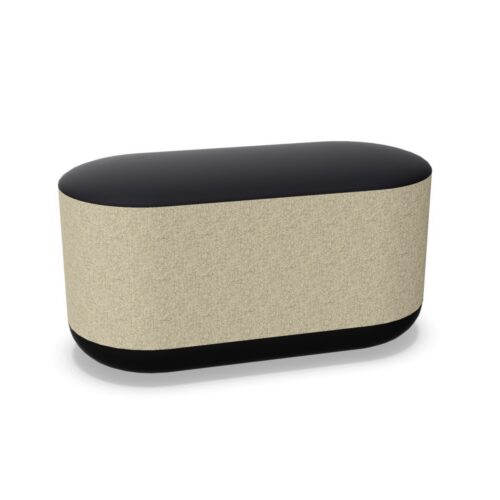
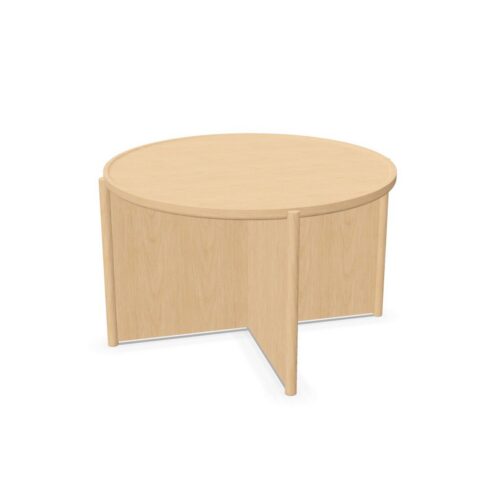
Rounded Both Sides Coffee Tables

Rounded both sides coffee tables bring rounded portions of the tabletop outline into the planning of a workplace lounge. Their placement deserves attention at both ends of a seating group, particularly where people approach from different directions. Begin by examining the complete perimeter and deciding how it should relate to the seats. The rounded outline is one part of that decision; the support arrangement and the routes around the furniture matter as well.

When comparing rounded both sides coffee tables, look beyond a single front view. Review how each end sits beside the seating, where the tabletop extends and how the table appears from the room entrance. The aim is a coherent relationship between the surface and the lounge group. A suitable arrangement gives the rounded portions a clear place in the composition while leaving the main walking routes separate from the space occupied by the furniture.


Positioning Rounded Both Sides Coffee Tables

Consider the two ends of the proposed arrangement separately. One may face an entrance to the seating group, while the other sits beside a neighboring chair or the end of a sofa. Those different conditions can call for an offset placement rather than a visually centered one. Review the complete outline against the seats and the space around them. Keep the table aligned with the way the group will be used. The rounded portions should make sense in that arrangement without becoming the sole reason for a particular position or orientation.

Review Walking Routes Around Both Ends

Rounded both sides coffee tables still occupy a defined area within the room. A rounded perimeter does not establish how easily people can pass it, so review the actual route around each end. Consider someone entering the lounge, another person leaving a seat and a colleague pausing beside the group. Look for places where these movements converge. Keep the full tabletop outline and the supports within the planned furniture area. Where a route turns beside the table, assess the turn in relation to the whole seating group rather than judging the table alone.

Relate the Table to the Seating Line

A sofa or a row of lounge seats creates a directional reference for the table. Decide whether the tabletop should follow that reference or address another part of the group. Alignment can establish an orderly composition, but it should also reflect which seats are intended to use the surface. Avoid extending the arrangement visually toward a seat that has little practical relationship with it. Review the table from the seated positions at both ends of the group. This helps reveal whether its placement favors one area unintentionally or leaves the overall composition feeling disconnected.

Assess the Complete Outline and Base Together

Rounded both sides coffee tables should be compared as complete pieces. Examine how the supports sit beneath the top and where they meet the floor. Their position may influence the relationship between the table and nearby seating, even when the upper outline appears appropriate. Check views from the entrance and from adjacent areas to understand how much of the base remains visible. Then assess the exact finish within the surrounding palette. Keep shape, support placement and appearance connected in the review, while avoiding assumptions about material or construction based on the rounded outline alone.

Frequently Asked Questions

Do rounded ends establish better circulation?

The outline alone cannot establish that. Circulation depends on the complete table, its placement, neighboring furniture and the route people take through the room. Review those relationships together on the proposed plan.

Should both ends relate to matching seats?

Matching seats are not necessary. One end may face an open approach while the other relates to seating. Aim for a deliberate arrangement that reflects the different conditions at each end.

What should be reviewed beside a long sofa?

Review rounded both sides coffee tables against the sofa seating positions, the approaches around its ends and the support locations beneath the top. Assess the complete group from seated viewpoints as well.

Explore related selections