

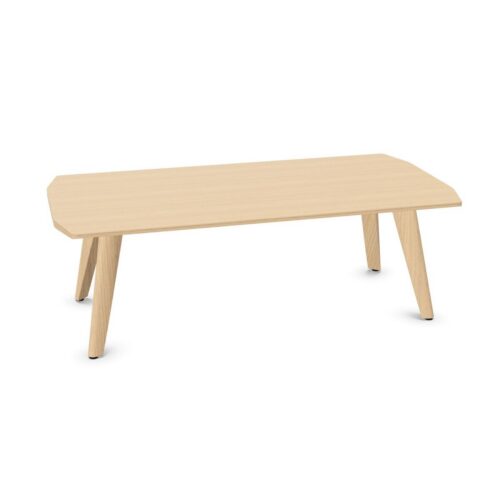
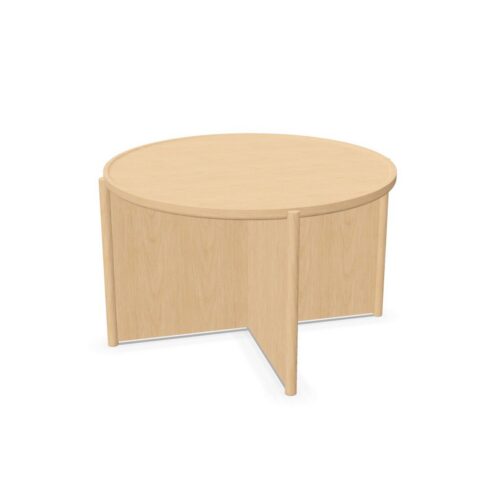
Lounge Furniture With Rounded Both Sides Tops and Beige Surfaces

lounge furniture with rounded both sides tops and beige surfaces combines a specific tabletop outline with a neutral surface color. The rounded sides need to be considered in relation to the seats, the direction of approach, and the table’s position within the room. Use the actual top outline to establish those relationships, rather than treating the shape name as a complete description of the piece. Beige adds a separate but connected decision about the surface’s place within the lounge palette.

Begin by identifying which parts of the perimeter face the seating and which face the surrounding routes. Compare alternative orientations within the same arrangement. Review the beige tone beside nearby upholstery and the room’s fixed colors, then decide whether the table should be closely coordinated or visually distinct. This creates a practical brief centered on the selected combination and its intended setting.

3 models
From €19.33 p/m
2 models
From €25.77 p/m
4 models
From €35.51 p/m
5 models
From €22.26 p/m
4 models
From €19.64 p/m

Placing Lounge Furniture With Rounded Both Sides Tops and Beige Surfaces

Take the actual tabletop outline as the reference for the room plan. Identify the rounded sides and consider how each relates to the surrounding seating. The preferred orientation should follow the intended use of the surface and the route into the group. Check the arrangement from every seat, including positions that face a different part of the perimeter. A top that looks appropriately placed from the entrance may still need adjustment within the seating group. Use those individual relationships to refine its position before reviewing the wider composition.

Review Curved Edges Within the Route

Rounded sides change the outline of the top, but they do not establish whether a particular arrangement provides suitable circulation. Trace the routes people take when arriving, sitting, and leaving. Include movement past the lounge as well as movement into it. Review the full furniture piece alongside the top outline, since the parts below the surface also belong in the placement assessment. Keep neighboring furniture in the drawing so the curved perimeter is judged within the actual setting rather than against an empty area of the plan.

Give the Beige Surface a Defined Role

The color of lounge furniture with rounded both sides tops and beige surfaces should be assessed alongside its outline. Decide whether the surface is intended to continue an existing neutral scheme or create a distinct area of color within it. Compare the actual beige appearance with the interior references that matter most from the seated and entrance viewpoints. Similar color names can conceal visible differences between adjacent elements. Do not assume that beige identifies a particular material or sheen; establish any additional surface requirements independently during the comparison.

Keep the Shape Reference Consistent

Use the same orientation and seating arrangement whenever alternatives are reviewed. Otherwise, a change in placement can be mistaken for a difference in suitability between pieces. Record which rounded side faces the main seating and where the approach route passes. Add the agreed beige reference to the same brief so the shape and color remain connected. Where drawings or images are unclear, resolve the actual perimeter before making a layout decision. A precise visual reference is more useful than extending the shape designation into assumptions about proportions or construction.

Questions About Rounded Sides and Beige Surfaces

How do I choose the tabletop orientation?

Compare the actual outline against the intended seating positions and routes. Identify which perimeter sections face each seat, then test another orientation using the same room arrangement. Choose according to those relationships rather than the entrance view alone.

Do rounded sides settle the circulation question?

No. Review movement around the complete arrangement with seats occupied and neighboring furniture in place. The selected shape describes the top, while the room plan determines how people will move around it.

What belongs in the comparison brief?

For lounge furniture with rounded both sides tops and beige surfaces, record the actual outline, preferred orientation, seating relationships, and beige reference. Confirm other required characteristics separately, keeping the visual combination distinct from details that have not been established.

Explore related selections