

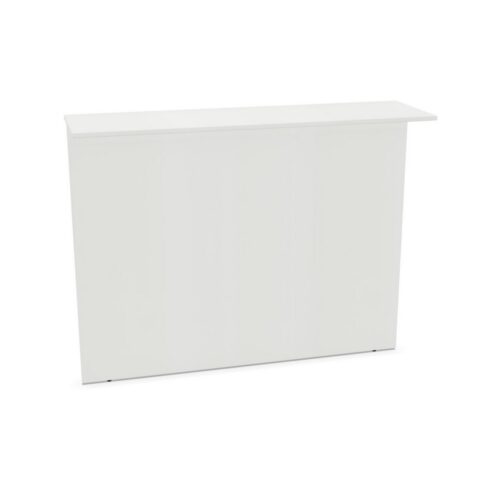
Lounge Furniture With Straight Blade Tops and Steel Bases

Lounge furniture with straight blade tops and steel bases calls for a plan that gives the top a clear relationship to the seating and the room. Consider this combination where the table needs a deliberate orientation within a lounge group. Establish the complete straight blade outline before drawing conclusions about its edges, since the shape name alone does not establish every detail of the perimeter.

For lounge furniture with straight blade tops and steel bases, assess how the top sits above the steel support and how both components meet the surrounding arrangement. Steel identifies the base material without specifying its color, finish, or construction. The top material remains a separate consideration. Start with a reference such as the sofa front or the direction of the seating group, then compare how the actual top and base relate to that reference from the entrance and from each intended seat.

12 models
From €6.72 p/m
3 models
From €2.58 p/m
2 models
From €12.89 p/m
8 models
From €3.44 p/m

Planning Lounge Furniture With Straight Blade Tops and Steel Bases

Give the table a defined role within the seating arrangement. It might serve seats along a sofa, connect facing positions, or sit at the open edge of a lounge group. Each role creates a different reason for its orientation. Review the complete top outline and decide which edge should relate to the main seating line. Then test that decision against the room’s approach route. The objective is a placement that reads clearly from the entrance and remains coherent from the seats, without relying on the shape name to explain the furniture’s intended position.

Establish Alignment Before Adjusting Details

Choose the main line that organizes the setting. Following the sofa front can emphasize the seating group, while following the room can connect the table to a wider arrangement. Compare these approaches in context rather than aligning every object automatically. If the seating and architecture point in different directions, decide which relationship matters most at this location. Once the top has a clear orientation, check whether the base reinforces or complicates it visually. Assess the actual support arrangement; steel does not imply a particular frame, leg pattern, or position beneath the surface.

Review the Steel Base From Seated Viewpoints

When comparing lounge furniture with straight blade tops and steel bases, include views from the seats rather than relying on an overhead plan. The support may be more visible below the top from some positions than others. Look at how it overlaps with nearby furniture and whether its placement corresponds sensibly with the seats it serves. Avoid assuming that steel establishes a dark appearance, a slender profile, or any particular finish. The material and the visible form are different considerations, and both should be understood before finalizing the lounge composition.

Resolve the Approach Along Each Edge

Walk through the planned sequence from room entrance to seating position. Check where someone passes the table, turns toward a seat, and leaves the group. The actual top perimeter and the base both matter during these movements. With lounge furniture with straight blade tops and steel bases, make any projecting parts clear in the room plan rather than assuming the top defines the entire occupied area. If an approach feels indirect, review the seating relationship and the table position together. Rotation alone may shift the difficulty to another seat or to the main route.

Frequently Asked Questions

Does straight blade describe the edge thickness?

Do not infer thickness or an edge treatment from the shape name. Assess the actual perimeter and profile separately when deciding how the table relates to the lounge.

Should the table follow the sofa or the room?

Choose the relationship that makes its role clearest. A table serving a specific sofa may follow that seating, while a more open setting needs a room-wide review.

Does a steel base establish its visual style?

No. Steel identifies the base material. Its outline, arrangement, color, and finish need separate assessment, as does the material of the top above it.

Explore related selections