





Start with the approaches around the seating
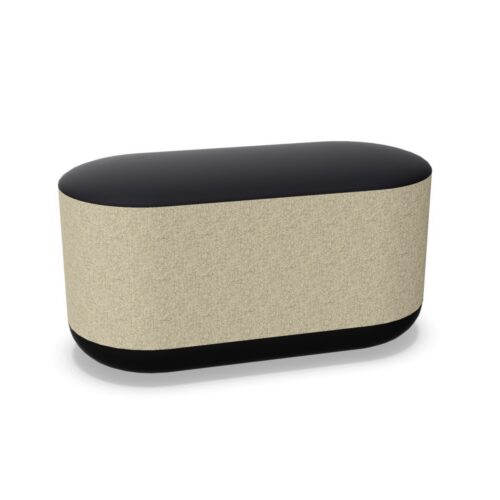
Map the paths people take into the lounge group before placing the table. An approach from the end of a sofa creates a different relationship with the top than an approach between separate chairs. Examine the rounded sides along those paths, using the actual outline to understand where the perimeter sits. Rounding does not remove the need for deliberate spacing or careful positioning. Consider where visitors pause, turn toward a seat, or leave the group. The table should have a clear place within that sequence, with its orientation explained by the way people enter and use the setting.
Assess lounge furniture with rounded both sides tops and steel bases
Look at the top and base as two related outlines. The rounded sides may be prominent from above, while the steel support becomes more visible from a seated position or a distant approach. Compare both views before deciding that the combination suits the room. The selected material does not establish the base configuration, and the shape description does not establish the complete perimeter. Examine how far the supports sit beneath the edges and which parts are visible beside the seating. This helps keep the selection grounded in the actual form of the piece.
