



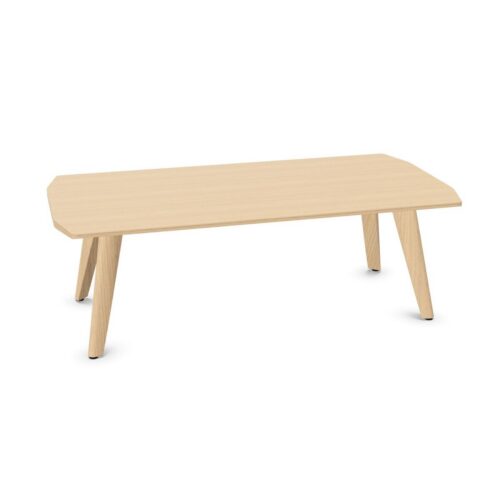


Orienting lounge furniture with trigoon tops and red bases
Begin by examining the actual outline of the trigoon top. Establish which parts face the main seats and which face the approaches to the group. Compare more than one orientation within the same seating plan, keeping the seats fixed initially so the effect is clear. Look for a position that gives the shape a purposeful relationship to the group rather than simply occupying the available floor area. Then revisit the seating if the first arrangement leaves unresolved gaps or an unclear center. The red base should be reviewed in the same views, since changes in orientation and placement can alter how it appears among the surrounding furniture and occupied positions.
Evaluate the outline from each seat
A top shape should be assessed from the positions where people will encounter it, not only as an isolated outline. With lounge furniture with trigoon tops and red bases, compare the relationship from a sofa, any facing chairs and the route into the group. Note where the perimeter sits relative to each occupied position. If the arrangement includes seats at different angles, consider them individually rather than assuming the relationship is equivalent. Use the same activity as the reference throughout the comparison, whether the setting is intended for waiting or an informal exchange. This keeps the assessment grounded in the actual lounge arrangement instead of allowing visual novelty to become the only criterion.
