

Trigoon Coffee Tables for Distinctive Lounge Arrangements

Trigoon coffee tables introduce a distinctive tabletop outline into workplace lounges, making orientation an important part of the room plan. The useful starting point is the relationship between that outline and the people seated around it. Consider where the seating opens toward the room, where visitors approach and which parts of the surface face each seat. A deliberate orientation can connect the table to its setting without making the surrounding arrangement unnecessarily complicated.

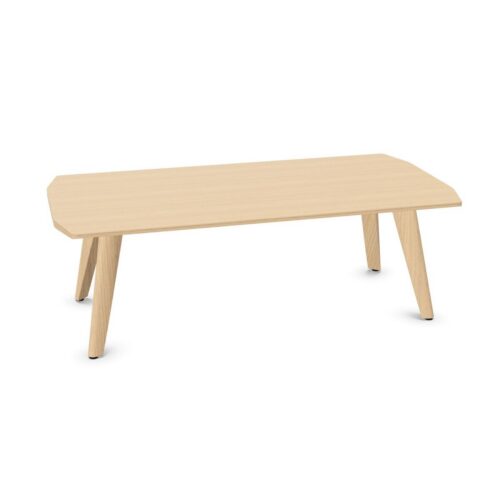
Compare trigoon coffee tables through the actual shape of each top rather than assumptions about the name. Look at how the perimeter changes direction, how the supports relate to it and how the complete piece appears from different approaches. These observations are especially useful in lounge groups where seats face different directions. Let the table respond to the seating and circulation plan, then assess how its outline contributes to the visual character of the space.

2 models
From €9.33 p/m
2 models
From €25.77 p/m
2 models
From €16.83 p/m
2 models
From €7.59 p/m
2 models
From €4.37 p/m
€6.85 p/m

Finding an Orientation for Trigoon Coffee Tables

Start by identifying the principal view into the lounge. A table may be seen first from a corridor, from reception or from an adjacent work area. Review its outline from that direction, then consider the view from every seat. Turn the proposed table within the plan to understand how different parts of the perimeter relate to the seating. This is a comparison of placements, not an assumption that the furniture itself rotates. The preferred orientation should make sense for people approaching the group and for those already seated within it.

Match the Perimeter to the Seating Pattern

Trigoon coffee tables warrant a closer look at where individual seats meet the tabletop outline. Do several seats face the same area, or does each seat relate to a different part of the perimeter? Neither arrangement is automatically preferable. The important point is to make that relationship deliberate. Avoid placing the table solely to fill the middle of an arrangement. Instead, consider the everyday scenario: a visitor waiting alone, colleagues speaking across the group or people joining from the open side. Check whether the proposed position remains coherent across those situations before fixing neighboring furniture in place.

Give the Shape a Clear Visual Role

A distinctive outline can become difficult to read when several nearby pieces introduce competing directions. Review the surrounding furniture as a group. Decide whether the table should provide the main change in shape or repeat a direction already present in the seating arrangement. Keep this decision separate from color and finish choices, which require their own assessment. A plan view can reveal relationships that are less obvious in individual furniture images. Also review the space from standing and seated viewpoints, because the visible relationship between the tabletop and its supports contributes to the overall composition.

Check Approaches Before Finalizing Placement

Place trigoon coffee tables where their full outline has been considered against the routes around the seating. Trace the approach into the group and the route someone takes when leaving a seat. Pay attention to any part of the top that extends toward those movements, and examine the support positions beneath it. Do not assume that a distinctive shape automatically creates additional circulation space. Its suitability depends on its actual outline and placement. Keep the main route through the room understandable, with the lounge arrangement clearly positioned beside that route rather than spilling across it.

Frequently Asked Questions

Does the name establish an exact tabletop geometry?

Use the actual tabletop outline to make that judgment. Examine how its sides and transitions are formed rather than assuming that every example follows an identical geometric pattern.

How should the table face an open seating group?

Begin with the open approach and the positions of the seats. Compare orientations that relate the surface to those seats while keeping the entrance to the group clear and easy to understand.

What makes a useful comparison between alternatives?

Compare trigoon coffee tables within the same room plan. Review the perimeter, support positions and views from the seating so that differences are assessed against a consistent arrangement.

Explore related selections